
Drone Emergency Response Procedures
Drone Emergency Response Procedures
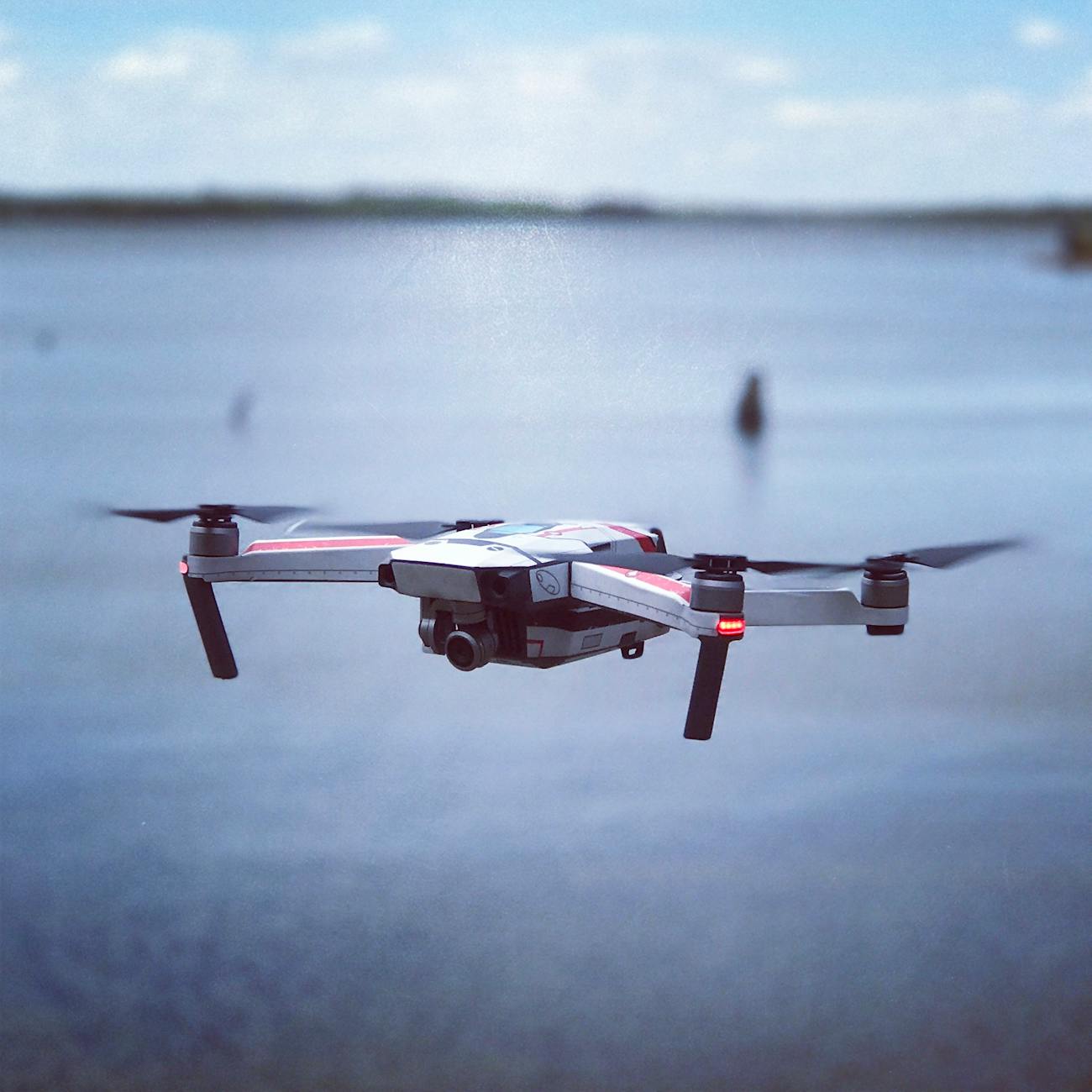
Drone Emergency Response Procedures
Emergency response procedures are crucial in any industry, and the use of drones in emergency situations adds a new dimension to response protocols. In the oil and gas industry, where operations can be hazardous and remote, having effective drone emergency response procedures is essential for ensuring the safety of personnel, mitigating risks, and minimizing the impact of emergencies on operations.
Key Terms and Vocabulary
1. Drone: An unmanned aerial vehicle (UAV) that is controlled remotely or autonomously. Drones are used in various industries for tasks such as surveillance, monitoring, and data collection.
2. Emergency Response: The actions taken to address and manage emergencies, including assessing the situation, implementing response procedures, and coordinating resources to mitigate the impact of the emergency.
3. Oil and Gas Industry: The industry involved in the exploration, extraction, refining, and distribution of oil and gas resources. This industry is known for its complex operations and high-risk environments.
4. Remote Sensing: The process of collecting information about an object or area from a distance, typically using sensors or cameras mounted on drones. Remote sensing is valuable for monitoring assets and detecting potential hazards.
5. Incident Command System (ICS): A standardized approach to the command, control, and coordination of emergency response. ICS provides a hierarchical structure for managing incidents and ensures clear communication and efficient resource allocation.
6. Flight Operations: The activities involved in planning, executing, and monitoring drone flights. Flight operations include pre-flight checks, airspace management, and mission execution.
7. Emergency Landing: A controlled landing of a drone in response to an emergency situation, such as a malfunction or loss of communication. Pilots should be trained in emergency landing procedures to prevent damage to the drone and ensure safety.
8. Search and Rescue: The use of drones to locate and assist individuals in distress. Drones equipped with thermal imaging cameras and GPS technology are valuable tools for search and rescue operations in remote or hazardous environments.
9. Risk Assessment: The process of identifying, analyzing, and evaluating risks associated with drone operations. Risk assessments help organizations understand potential hazards and implement measures to mitigate risks effectively.
10. Emergency Response Plan: A documented set of procedures and protocols for responding to emergencies. An emergency response plan outlines roles and responsibilities, communication channels, and actions to be taken in different emergency scenarios.
11. Emergency Contact Information: Contact details for key personnel, emergency services, and stakeholders involved in emergency response. Having up-to-date and easily accessible contact information is essential for rapid communication during emergencies.
12. Communications Protocol: A set of guidelines for communicating effectively during emergencies. Clear communication channels, protocols for reporting incidents, and procedures for coordinating response efforts are critical components of a communications protocol.
13. Drone Maintenance: The regular inspection, repair, and upkeep of drones to ensure they are in optimal condition for operations. Proper maintenance practices help prevent malfunctions and extend the lifespan of drones.
14. Geographical Information System (GIS): A system for capturing, storing, analyzing, and presenting spatial data. GIS technology is used in drone operations for mapping, asset management, and environmental monitoring.
15. Emergency Response Training: Training programs designed to educate personnel on emergency response procedures, safety protocols, and the use of drones in emergency situations. Regular training ensures that personnel are prepared to respond effectively to emergencies.
Practical Applications
1. Monitoring Pipeline Infrastructure: Drones can be used to inspect pipelines for leaks, damage, or encroachments. In the event of an emergency such as a leak or rupture, drones can quickly assess the situation and provide real-time data to support response efforts.
2. Wildfire Management: Drones equipped with thermal cameras can assist in monitoring wildfires, identifying hotspots, and assessing the spread of the fire. Drones can also be used to deliver supplies to firefighters or conduct aerial firefighting operations.
3. Emergency Response Coordination: Drones can be used to coordinate emergency response efforts by providing aerial surveillance, mapping affected areas, and guiding ground personnel. Drones can help emergency responders make informed decisions and prioritize actions during crises.
4. Oil Spill Response: In the event of an oil spill, drones can be deployed to assess the extent of the spill, monitor cleanup operations, and track the movement of oil slicks. Drones equipped with sensors can collect data to support environmental assessments and response planning.
5. Medical Evacuation: Drones can be used to transport medical supplies or equipment to remote locations or evacuate injured personnel. In emergency medical situations, drones can provide rapid assistance and support the delivery of critical care.
Challenges
1. Regulatory Compliance: Ensuring compliance with aviation regulations and obtaining necessary permits for drone operations can be a challenge, especially in emergency situations where rapid deployment is required.
2. Communication Interference: Maintaining communication with drones in remote or hazardous environments can be challenging due to factors such as interference, signal loss, or limited connectivity.
3. Weather Conditions: Adverse weather conditions, such as strong winds, rain, or fog, can impact drone operations and pose risks to both the drone and personnel involved in emergency response.
4. Data Security: Protecting sensitive data collected by drones during emergency response operations is essential to prevent unauthorized access or data breaches. Implementing secure data storage and transmission protocols is key to ensuring data security.
5. Training and Skills Development: Providing personnel with adequate training in emergency response procedures and drone operations is essential for effective emergency response. Continuous training and skills development help personnel stay prepared and proficient in using drones during emergencies.
In conclusion, having comprehensive drone emergency response procedures is essential for ensuring the safety and effectiveness of emergency response operations in the oil and gas industry. By understanding key terms and vocabulary related to drone emergency response, practical applications, and challenges, personnel can be better prepared to respond to emergencies and leverage drones as valuable tools in emergency situations.
Key takeaways
- Emergency response procedures are crucial in any industry, and the use of drones in emergency situations adds a new dimension to response protocols.
- Drones are used in various industries for tasks such as surveillance, monitoring, and data collection.
- Emergency Response: The actions taken to address and manage emergencies, including assessing the situation, implementing response procedures, and coordinating resources to mitigate the impact of the emergency.
- Oil and Gas Industry: The industry involved in the exploration, extraction, refining, and distribution of oil and gas resources.
- Remote Sensing: The process of collecting information about an object or area from a distance, typically using sensors or cameras mounted on drones.
- ICS provides a hierarchical structure for managing incidents and ensures clear communication and efficient resource allocation.
- Flight Operations: The activities involved in planning, executing, and monitoring drone flights.