
Drone Maintenance and Troubleshooting
Drone Maintenance and Troubleshooting
Drone Maintenance and Troubleshooting
Introduction
Drones have become an indispensable tool in the oil and gas industry due to their ability to access remote and hazardous areas for inspections, monitoring, and data collection. As with any piece of equipment, proper maintenance and troubleshooting are crucial to ensure drones operate efficiently and safely. In this course, we will delve into the key terms and vocabulary related to drone maintenance and troubleshooting in the oil and gas industry.
1. Components of a Drone
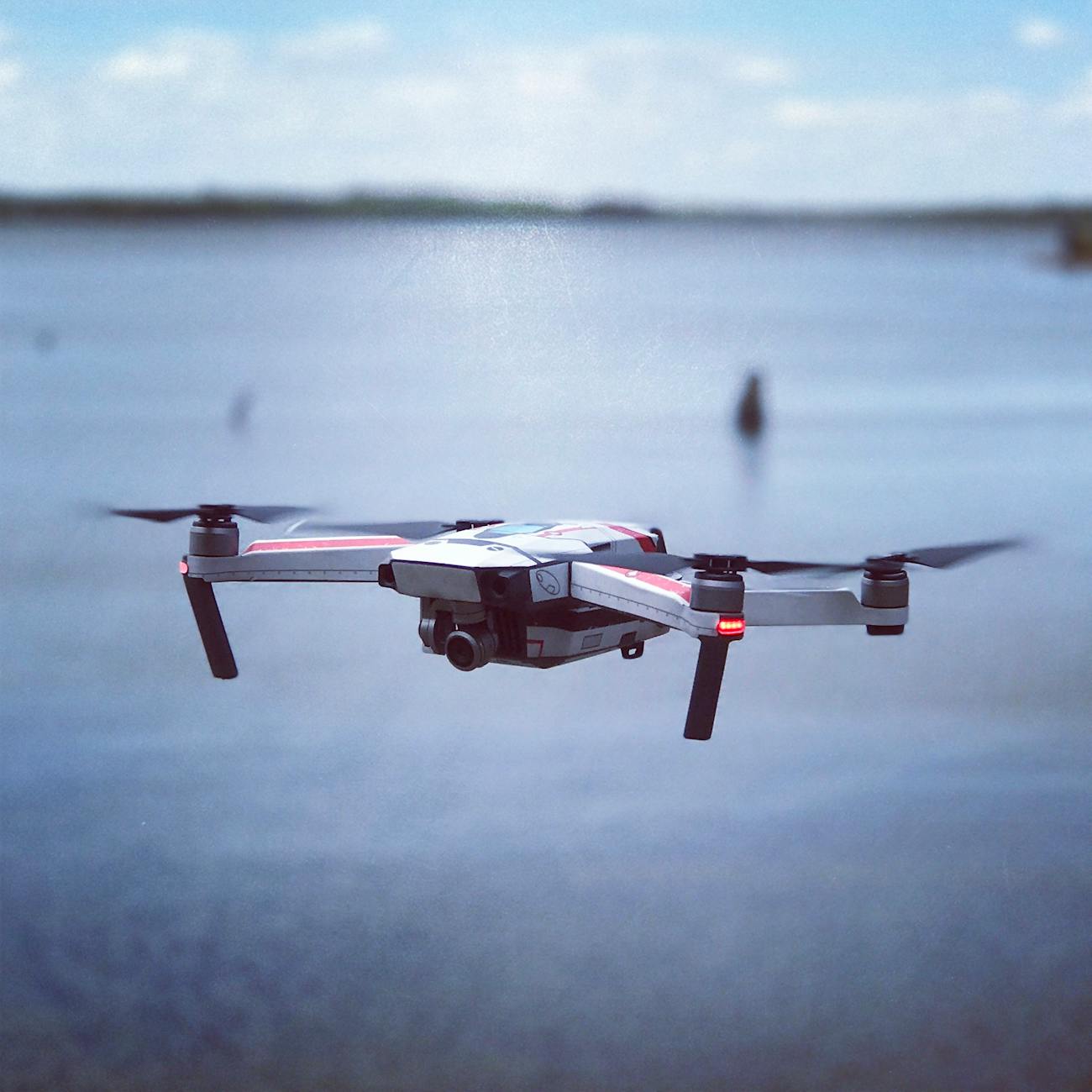
Drones consist of various components that work together to enable flight and data collection. Understanding these components is essential for effective maintenance and troubleshooting. Some key components include:
- Propellers: Blades that spin to create lift and propulsion. - Motors: Electric motors that drive the propellers. - Flight Controller: The brain of the drone that processes inputs from the pilot and sensors. - Battery: Power source for the drone. - GPS Module: Provides location data for accurate navigation. - Camera: Captures images and videos for inspection and monitoring.
2. Maintenance Practices
Proper maintenance is essential to ensure drones operate reliably and safely. Some key maintenance practices include:
- Regular Inspections: Check for any physical damage, loose connections, or signs of wear. - Cleaning: Remove dirt, dust, and debris that can affect performance. - Battery Care: Follow manufacturer guidelines for charging and storage to prolong battery life. - Software Updates: Keep the drone's firmware and software up to date for optimal performance. - Calibration: Calibrate sensors, compass, and GPS to ensure accurate flight and data collection. - Propeller Replacement: Replace damaged or worn-out propellers to maintain flight stability.
3. Troubleshooting Techniques
When drones encounter issues during operation, troubleshooting is crucial to identify and resolve the problem quickly. Some common troubleshooting techniques include:
- Flight Logs Analysis: Review flight logs to identify any anomalies or error messages. - Visual Inspection: Check for physical damage, loose connections, or obstructions that may affect performance. - Remote Diagnostics: Use software tools to diagnose issues remotely. - Component Testing: Test individual components such as motors, propellers, and sensors to pinpoint the problem. - Resetting: Restart the drone and controller to resolve software or connection issues.
4. Common Maintenance Challenges
Despite regular maintenance, drones may encounter various challenges that require immediate attention. Some common maintenance challenges include:
- Battery Issues: Reduced flight time, swelling, or overheating. - GPS Signal Loss: Inaccurate positioning or navigation issues. - Motor Failure: Loss of power or erratic behavior. - Camera Malfunction: Blurry images or video feed loss. - Propeller Damage: Vibrations or instability during flight.
5. Best Practices
To ensure effective drone maintenance and troubleshooting in the oil and gas industry, consider the following best practices:
- Establish a Maintenance Schedule: Regularly inspect and maintain drones to prevent unexpected issues. - Document Maintenance Activities: Keep detailed records of maintenance tasks and repairs for reference. - Train Personnel: Provide training on proper maintenance and troubleshooting procedures to staff. - Backup Components: Have spare batteries, propellers, and other components on hand for quick replacements. - Stay Informed: Keep abreast of new technologies, updates, and best practices in drone maintenance.
6. Conclusion
In conclusion, drone maintenance and troubleshooting are crucial aspects of ensuring the safe and efficient operation of drones in the oil and gas industry. By understanding the key terms and vocabulary related to maintenance and troubleshooting, professionals can effectively maintain drones, identify issues, and implement timely solutions to keep operations running smoothly.
Key takeaways
- Drones have become an indispensable tool in the oil and gas industry due to their ability to access remote and hazardous areas for inspections, monitoring, and data collection.
- Drones consist of various components that work together to enable flight and data collection.
- - Flight Controller: The brain of the drone that processes inputs from the pilot and sensors.
- Proper maintenance is essential to ensure drones operate reliably and safely.
- - Calibration: Calibrate sensors, compass, and GPS to ensure accurate flight and data collection.
- When drones encounter issues during operation, troubleshooting is crucial to identify and resolve the problem quickly.
- - Component Testing: Test individual components such as motors, propellers, and sensors to pinpoint the problem.