
Drone Applications in Offshore Operations
Drone Applications in Offshore Operations
Drone Applications in Offshore Operations
The use of drones in offshore operations has revolutionized the oil and gas industry, offering a wide range of applications that improve efficiency, safety, and cost-effectiveness. Drones, also known as unmanned aerial vehicles (UAVs), are versatile tools that can be equipped with various sensors and cameras to capture high-quality data from remote and hard-to-reach locations. In this course, we will explore the key terms and vocabulary related to drone applications in offshore operations, including the different types of drones, sensors, regulations, and challenges faced in the industry.
Types of Drones
There are several types of drones used in offshore operations, each with its own unique capabilities and specifications. The most common types of drones include fixed-wing drones, multirotor drones, and hybrid drones.
- Fixed-wing drones are designed to resemble airplanes and are ideal for covering large areas in a single flight. They are known for their long flight times and high speed, making them suitable for mapping and surveying applications in offshore operations.
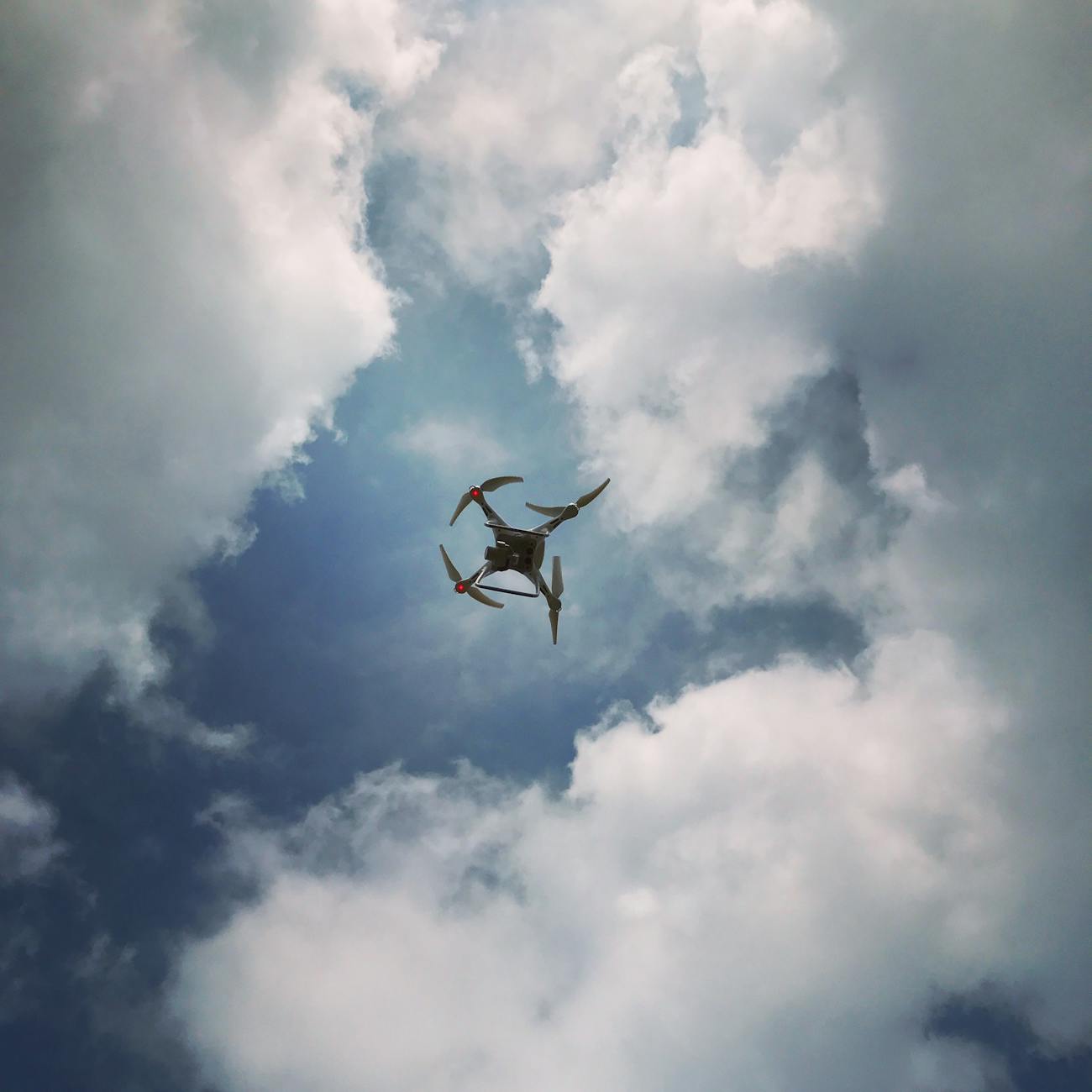
- Multirotor drones are the most popular type of drones and are characterized by their ability to hover in place and maneuver in tight spaces. They are typically used for close-range inspections, photography, and videography in offshore operations.
- Hybrid drones combine the features of fixed-wing and multirotor drones, offering the flexibility of vertical take-off and landing (VTOL) and the efficiency of long-endurance flights. They are suitable for a wide range of applications, including inspections, monitoring, and surveillance in offshore operations.
Drone Sensors
Drones can be equipped with a variety of sensors to collect data for different applications in offshore operations. Some of the most common sensors used in drones include RGB cameras, thermal cameras, LiDAR sensors, gas detectors, and multi-spectral sensors.
- RGB cameras capture high-resolution images in visible light, providing detailed visual information for inspections, monitoring, and mapping in offshore operations.
- Thermal cameras detect heat signatures and are used to identify anomalies, leaks, and hotspots in pipelines, equipment, and infrastructure in offshore operations.
- LiDAR sensors use laser pulses to create 3D models of the environment, allowing for accurate mapping, terrain analysis, and volumetric measurements in offshore operations.
- Gas detectors can be mounted on drones to detect and monitor gas leaks, emissions, and pollutants in offshore installations, ensuring compliance with safety regulations and environmental standards.
- Multi-spectral sensors capture data across multiple wavelengths, enabling the analysis of vegetation health, soil composition, and water quality in offshore operations.
Regulations and Compliance
The use of drones in offshore operations is subject to regulations and guidelines set forth by regulatory bodies such as the Federal Aviation Administration (FAA), the European Aviation Safety Agency (EASA), and the International Civil Aviation Organization (ICAO). Operators must comply with these regulations to ensure safe and legal drone operations in offshore environments.
- Remote pilot certification is required for drone operators to fly drones in offshore operations. Pilots must pass a written exam and a recurrent training course to demonstrate their knowledge of aeronautical principles, airspace regulations, and safety procedures.
- Operational limitations such as altitude restrictions, flight distances, and weather conditions must be adhered to when flying drones in offshore operations. Operators must also maintain visual line of sight (VLOS) with the drone at all times and avoid flying over people or sensitive areas.
- Equipment requirements
- Data privacy and security
Challenges and Solutions
Despite the numerous benefits of using drones in offshore operations, there are several challenges that operators may encounter, including weather conditions, technical malfunctions, regulatory compliance, data processing, and communication issues. However, there are solutions and best practices that can help mitigate these challenges and ensure the successful implementation of drone applications in offshore operations.
- Weather conditions such as high winds, rain, fog, and extreme temperatures can impact the performance and safety of drones in offshore operations. Operators should monitor weather forecasts, establish weather thresholds for safe operations, and have contingency plans in place to address adverse weather conditions.
- Technical malfunctions
- Regulatory compliance
- Data processing
- Communication issues
Practical Applications
Drones have a wide range of practical applications in offshore operations, including asset inspections, pipeline monitoring, environmental surveys, search and rescue operations, and emergency response. By leveraging the capabilities of drones, operators can improve operational efficiency, reduce downtime, and enhance safety in offshore environments.
- Asset inspections
- Pipeline monitoring
- Environmental surveys
- Search and rescue operations
- Emergency response
Conclusion
In conclusion, drones play a crucial role in offshore operations by offering a wide range of applications that improve efficiency, safety, and cost-effectiveness in the oil and gas industry. By understanding the key terms and vocabulary related to drone applications, operators can effectively leverage the capabilities of drones to enhance asset inspections, pipeline monitoring, environmental surveys, search and rescue operations, and emergency response in offshore environments. Despite the challenges faced in the industry, there are solutions and best practices that can help operators overcome obstacles and achieve successful outcomes with drone applications in offshore operations.
Key takeaways
- In this course, we will explore the key terms and vocabulary related to drone applications in offshore operations, including the different types of drones, sensors, regulations, and challenges faced in the industry.
- There are several types of drones used in offshore operations, each with its own unique capabilities and specifications.
- They are known for their long flight times and high speed, making them suitable for mapping and surveying applications in offshore operations.
- - Multirotor drones are the most popular type of drones and are characterized by their ability to hover in place and maneuver in tight spaces.
- - Hybrid drones combine the features of fixed-wing and multirotor drones, offering the flexibility of vertical take-off and landing (VTOL) and the efficiency of long-endurance flights.
- Some of the most common sensors used in drones include RGB cameras, thermal cameras, LiDAR sensors, gas detectors, and multi-spectral sensors.
- - RGB cameras capture high-resolution images in visible light, providing detailed visual information for inspections, monitoring, and mapping in offshore operations.