
Vitamins and Minerals for Parrots
Vitamins and minerals are essential nutrients for the health and well-being of parrots. They play a crucial role in various bodily functions, including metabolism, growth, and reproduction. In this course, we will explore the key terms and …
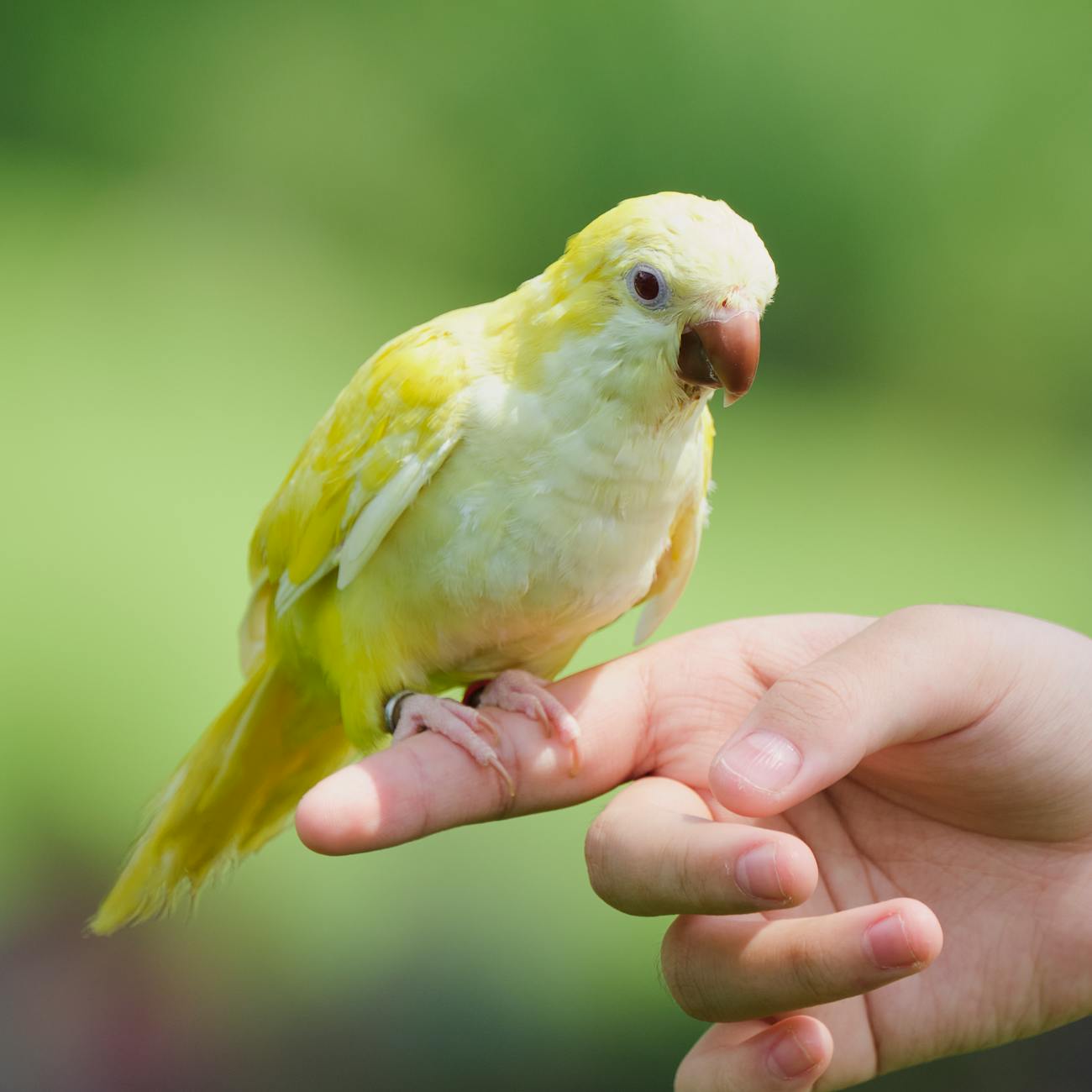
Vitamins and minerals are essential nutrients for the health and well-being of parrots. They play a crucial role in various bodily functions, including metabolism, growth, and reproduction. In this course, we will explore the key terms and vocabulary related to vitamins and minerals for parrots to help you better understand their importance in parrot nutrition.
Vitamins:
1. **Vitamin A**: Vitamin A is essential for maintaining healthy skin, feathers, and vision in parrots. It also plays a crucial role in supporting the immune system. A deficiency in vitamin A can lead to issues such as poor feather quality, respiratory infections, and night blindness.
2. **Vitamin D**: Vitamin D is important for calcium absorption and bone health in parrots. It helps regulate calcium and phosphorus levels in the body. Parrots can obtain vitamin D through exposure to natural sunlight or through fortified foods. A deficiency in vitamin D can lead to weak bones and poor egg production in breeding birds.
3. **Vitamin E**: Vitamin E is a powerful antioxidant that helps protect cells from damage. It is important for maintaining healthy muscles and nerves in parrots. Vitamin E deficiency can lead to muscle weakness and reproductive issues.
4. **Vitamin K**: Vitamin K is essential for blood clotting in parrots. It helps prevent excessive bleeding in case of injury. Vitamin K deficiency can lead to bleeding disorders in birds.
5. **Vitamin B complex**: The B vitamins, including B1 (thiamine), B2 (riboflavin), B3 (niacin), B5 (pantothenic acid), B6 (pyridoxine), B7 (biotin), B9 (folic acid), and B12 (cobalamin), play various roles in metabolism, energy production, and nervous system function. A deficiency in any of the B vitamins can lead to health issues in parrots.
Minerals:
1. **Calcium**: Calcium is essential for bone formation, eggshell production, muscle function, and nerve transmission in parrots. It is important to maintain a proper calcium-to-phosphorus ratio in the diet to prevent metabolic bone disease.
2. **Phosphorus**: Phosphorus works together with calcium to support bone health and energy metabolism in parrots. An imbalance in the calcium-to-phosphorus ratio can lead to health issues such as weak bones and poor egg production.
3. **Iron**: Iron is important for oxygen transport in the blood and energy metabolism in parrots. A deficiency in iron can lead to anemia and fatigue in birds.
4. **Zinc**: Zinc is essential for immune function, wound healing, and reproductive health in parrots. It is important to provide adequate levels of zinc in the diet to prevent deficiencies.
5. **Copper**: Copper plays a role in iron metabolism, connective tissue formation, and pigmentation in parrots. A deficiency in copper can lead to anemia and bone abnormalities in birds.
Challenges in Parrot Nutrition:
1. **Over-supplementation**: One of the challenges in parrot nutrition is the risk of over-supplementation with vitamins and minerals. Excessive intake of certain nutrients can lead to toxicity and health issues in birds. It is important to follow recommended guidelines for supplementing vitamins and minerals in parrots.
2. **Poor Diet Quality**: Another challenge is providing a balanced and varied diet for parrots. A diet that lacks essential nutrients can lead to deficiencies and health problems in birds. It is important to offer a diverse range of foods to ensure proper nutrition for parrots.
3. **Individual Variability**: Each parrot has unique nutritional requirements based on factors such as age, species, health status, and activity level. It is essential to tailor the diet to meet the specific needs of each bird to ensure optimal health and well-being.
4. **Absorption Issues**: Some vitamins and minerals may not be easily absorbed by parrots due to factors such as gut health or interactions with other nutrients. It is important to consider factors that may affect nutrient absorption when formulating a diet for parrots.
In conclusion, understanding the key terms and vocabulary related to vitamins and minerals for parrots is essential for providing optimal nutrition for these birds. By learning about the importance of each nutrient and the challenges in parrot nutrition, you can better care for your feathered friends and ensure their health and well-being.
Key takeaways
- In this course, we will explore the key terms and vocabulary related to vitamins and minerals for parrots to help you better understand their importance in parrot nutrition.
- A deficiency in vitamin A can lead to issues such as poor feather quality, respiratory infections, and night blindness.
- Parrots can obtain vitamin D through exposure to natural sunlight or through fortified foods.
- **Vitamin E**: Vitamin E is a powerful antioxidant that helps protect cells from damage.
- **Vitamin K**: Vitamin K is essential for blood clotting in parrots.
- A deficiency in any of the B vitamins can lead to health issues in parrots.
- **Calcium**: Calcium is essential for bone formation, eggshell production, muscle function, and nerve transmission in parrots.