
Feeding Parrots for Optimal Health
Feeding Parrots for Optimal Health is a crucial aspect of their care and well-being. In the Professional Certificate in Parrot Nutrition course, students will learn key terms and vocabulary essential for understanding how to provide the bes…
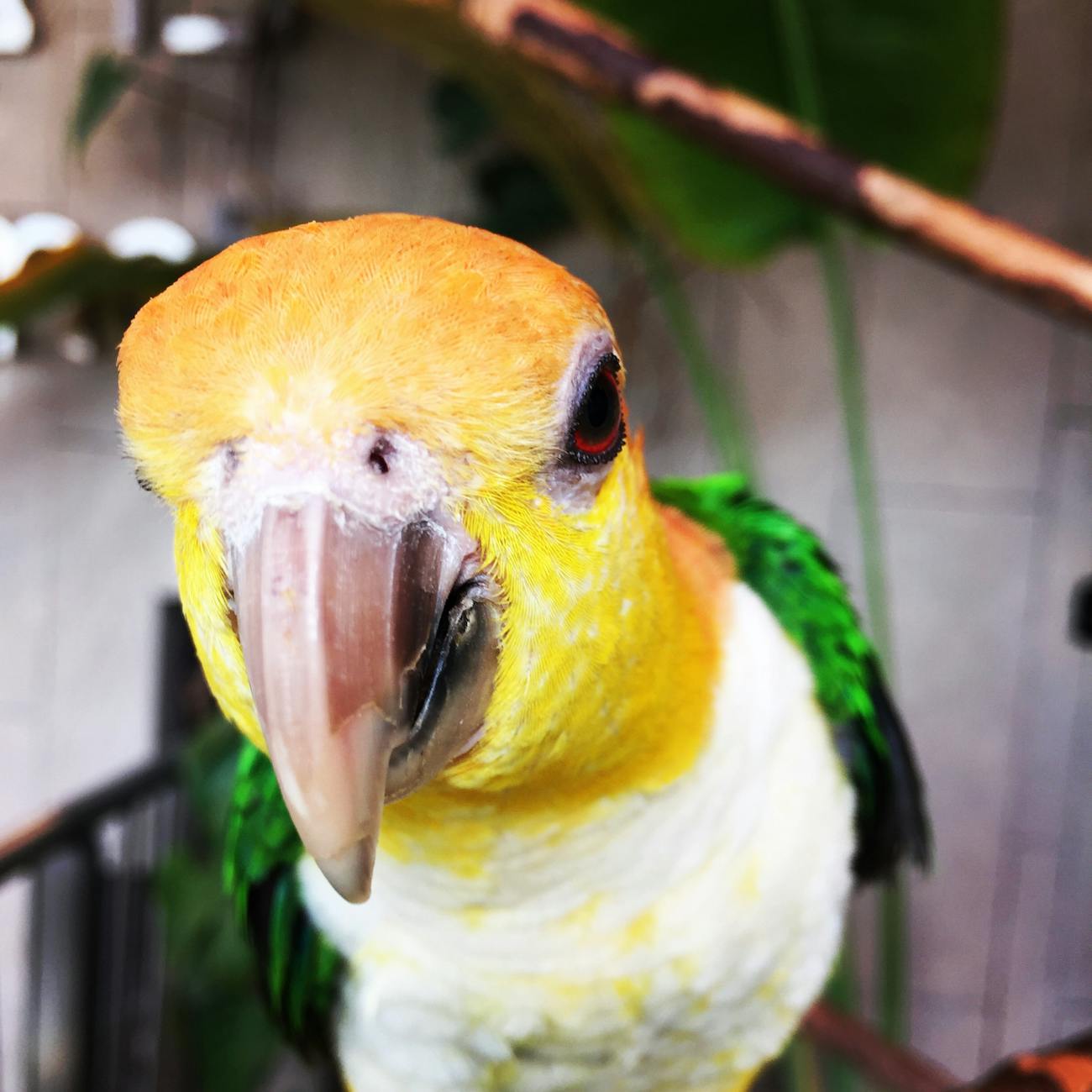
Feeding Parrots for Optimal Health is a crucial aspect of their care and well-being. In the Professional Certificate in Parrot Nutrition course, students will learn key terms and vocabulary essential for understanding how to provide the best diet for parrots. Let's delve into these terms in detail:
1. **Nutrition**: Nutrition is the process of providing or obtaining the food necessary for health and growth. In the context of parrots, nutrition is crucial for their overall health and well-being.
2. **Diet**: A diet is the sum of food consumed by an organism. For parrots, a balanced diet is essential to ensure they receive all the necessary nutrients for optimal health.
3. **Macronutrients**: Macronutrients are nutrients that provide calories or energy. They include carbohydrates, proteins, and fats. Parrots require a proper balance of macronutrients in their diet to maintain their energy levels and bodily functions.
4. **Micronutrients**: Micronutrients are essential vitamins and minerals that are required in small quantities but are vital for various physiological functions. Parrots need a variety of micronutrients to support their immune system, metabolism, and overall health.
5. **Protein**: Proteins are essential for growth, repair, and maintenance of body tissues. Parrots need high-quality protein sources in their diet, such as legumes, nuts, and seeds, to support their muscle development and overall health.
6. **Carbohydrates**: Carbohydrates are the primary source of energy for parrots. They can be found in fruits, vegetables, and grains. It is important to provide parrots with complex carbohydrates for sustained energy levels.
7. **Fats**: Fats are a dense source of energy and essential fatty acids for parrots. They are crucial for maintaining healthy skin, feathers, and immune function. Including healthy fats like omega-3 and omega-6 fatty acids in their diet is important.
8. **Fiber**: Fiber is essential for proper digestion and gut health in parrots. It helps in maintaining a healthy gastrointestinal tract and preventing digestive issues. Foods high in fiber, such as leafy greens, fruits, and vegetables, should be included in their diet.
9. **Vitamins**: Vitamins are essential organic compounds that play a vital role in various physiological processes in parrots. They are necessary for maintaining vision, immune function, and overall health. Examples of important vitamins for parrots include vitamin A, vitamin D, and vitamin E.
10. **Minerals**: Minerals are inorganic elements that are essential for various bodily functions in parrots. They are crucial for bone health, muscle function, and overall well-being. Examples of important minerals for parrots include calcium, phosphorus, and iron.
11. **Antioxidants**: Antioxidants are compounds that help protect cells from damage caused by free radicals. They play a crucial role in maintaining the overall health and well-being of parrots. Including foods rich in antioxidants, such as berries and leafy greens, can help support their immune system.
12. **Essential Nutrients**: Essential nutrients are nutrients that cannot be synthesized by the body and must be obtained through the diet. Parrots require a variety of essential nutrients, including amino acids, fatty acids, vitamins, and minerals, to thrive.
13. **Complete Diet**: A complete diet is one that provides all the necessary nutrients in the right proportions for parrots. It is essential to ensure that parrots are receiving a balanced and varied diet to meet their nutritional needs.
14. **Pelleted Diet**: Pelleted diets are formulated diets that provide a complete and balanced nutrition profile for parrots. They are convenient and ensure that parrots are receiving all the necessary nutrients in every bite.
15. **Seed Diet**: Seed diets are common but may not provide a complete and balanced nutrition profile for parrots. It is important to supplement seed diets with fruits, vegetables, pellets, and other foods to ensure parrots receive all the necessary nutrients.
16. **Foraging**: Foraging is a natural behavior in parrots where they search for food. Providing opportunities for foraging can stimulate their mental and physical health. Including foraging toys and hiding treats in their environment can encourage natural behaviors.
17. **Enrichment**: Enrichment is the process of providing stimulating environments and activities for parrots to enhance their well-being. It includes providing toys, puzzles, and foraging opportunities to keep parrots mentally engaged and prevent boredom.
18. **Gut Health**: Gut health refers to the balance of microorganisms in the gastrointestinal tract that is essential for digestion and overall health. Maintaining good gut health in parrots is crucial for proper nutrient absorption and immune function.
19. **Prebiotics**: Prebiotics are non-digestible fibers that promote the growth of beneficial bacteria in the gut. Including prebiotic-rich foods like bananas, apples, and oats can help support a healthy gut microbiome in parrots.
20. **Probiotics**: Probiotics are live beneficial bacteria that can help maintain a healthy balance of gut flora in parrots. They can be beneficial in supporting digestion, nutrient absorption, and immune function. Probiotic supplements can be added to the diet if needed.
21. **Toxic Foods**: Toxic foods are foods that can be harmful or even fatal to parrots if consumed. Examples of toxic foods for parrots include avocado, chocolate, caffeine, and high-salt foods. It is essential to be aware of these foods and avoid feeding them to parrots.
22. **Hydration**: Hydration is crucial for the overall health and well-being of parrots. Ensure that fresh, clean water is always available for parrots to drink. Dehydration can lead to serious health issues in parrots.
23. **Weight Management**: Maintaining a healthy weight is important for the overall health of parrots. Obesity can lead to various health issues, while being underweight can indicate underlying health problems. Monitoring their weight and adjusting their diet as needed is essential.
24. **Meal Planning**: Meal planning involves creating a well-balanced diet for parrots that meets their nutritional needs. It is important to consider their species, age, activity level, and health status when planning their meals. Include a variety of foods to ensure they receive all the necessary nutrients.
25. **Feeding Schedule**: Establishing a regular feeding schedule for parrots can help maintain their digestive health and prevent overeating. It is recommended to feed parrots at the same times each day and monitor their appetite and behavior for any changes.
26. **Food Allergies**: Some parrots may have food allergies or sensitivities to certain ingredients. Common allergens for parrots include peanuts, dairy, and artificial preservatives. If you suspect your parrot has a food allergy, consult with a veterinarian for guidance.
27. **Food Sensitivities**: Food sensitivities are milder reactions to certain foods that can cause digestive issues or skin problems in parrots. Pay attention to any changes in behavior or health after introducing new foods to identify potential sensitivities.
28. **Dietary Supplements**: Dietary supplements are additional nutrients or compounds that can be added to a parrot's diet to address specific health concerns. It is important to consult with a veterinarian before adding any supplements to ensure they are safe and appropriate for your parrot.
29. **Challenges of Feeding Parrots**: Feeding parrots can present challenges, such as picky eating habits, nutrient deficiencies, and obesity. It is important to be patient and persistent in offering a varied and balanced diet to meet their nutritional needs.
30. **Behavioral Issues**: Behavioral issues, such as aggression or feather picking, can be linked to diet and nutrition in parrots. Ensuring they receive a proper diet and enrichment can help address behavioral problems and improve their overall well-being.
31. **Veterinary Care**: Regular veterinary care is essential for monitoring the health and nutritional status of parrots. Schedule routine check-ups and consult with a veterinarian if you have any concerns about your parrot's diet or health.
32. **Environmental Factors**: Environmental factors, such as temperature, humidity, and lighting, can also impact the health and well-being of parrots. Ensure they are housed in a suitable environment that meets their specific needs for optimal health.
33. **Feeding Guidelines**: Follow feeding guidelines provided by avian nutrition experts or veterinarians to ensure you are meeting the nutritional needs of your parrots. These guidelines may vary based on the species, age, and health status of your parrot.
34. **Education and Training**: Continuing education and training in parrot nutrition are essential for providing the best care for your feathered friends. Stay informed about the latest research and recommendations in avian nutrition to optimize the health and well-being of your parrots.
35. **Community Support**: Joining a community of parrot enthusiasts or avian professionals can provide valuable support and resources for feeding parrots for optimal health. Share experiences, tips, and advice with like-minded individuals to enhance your knowledge and skills in parrot nutrition.
In conclusion, understanding key terms and vocabulary related to Feeding Parrots for Optimal Health is essential for providing the best care for these intelligent and beautiful birds. By incorporating a balanced diet, enrichment, and veterinary care into their daily routine, you can promote the health and well-being of your parrots for years to come. Stay informed, stay engaged, and enjoy the journey of nurturing your feathered companions to thrive and flourish.
Key takeaways
- In the Professional Certificate in Parrot Nutrition course, students will learn key terms and vocabulary essential for understanding how to provide the best diet for parrots.
- **Nutrition**: Nutrition is the process of providing or obtaining the food necessary for health and growth.
- For parrots, a balanced diet is essential to ensure they receive all the necessary nutrients for optimal health.
- Parrots require a proper balance of macronutrients in their diet to maintain their energy levels and bodily functions.
- **Micronutrients**: Micronutrients are essential vitamins and minerals that are required in small quantities but are vital for various physiological functions.
- Parrots need high-quality protein sources in their diet, such as legumes, nuts, and seeds, to support their muscle development and overall health.
- It is important to provide parrots with complex carbohydrates for sustained energy levels.