
Water and Hydration for Parrots
Water and Hydration for Parrots
Water and Hydration for Parrots
Water Water is an essential component of life for all living organisms, including parrots. It plays a critical role in various bodily functions, such as digestion, circulation, temperature regulation, and waste removal. Parrots, like all birds, require access to clean and fresh water at all times to maintain their health and well-being.
Hydration Hydration refers to the process of maintaining adequate water levels in the body to support proper physiological functions. In the case of parrots, hydration is crucial for ensuring optimal health and preventing dehydration, which can have serious consequences on their overall well-being.
Importance of Water
Hydration Proper hydration is essential for parrots to function optimally. Water is necessary for digestion, as it helps break down food and transport nutrients throughout the body. It also aids in regulating body temperature, especially in warm weather when parrots may need to cool down through evaporative cooling. Additionally, water is crucial for waste removal, as it helps flush out toxins and maintain proper kidney function.
Electrolyte Balance Water plays a vital role in maintaining electrolyte balance in parrots. Electrolytes are minerals such as sodium, potassium, and chloride that help regulate nerve and muscle function, maintain fluid balance, and control blood pH. Adequate hydration ensures that electrolyte levels remain within the normal range, preventing imbalances that can lead to health issues.
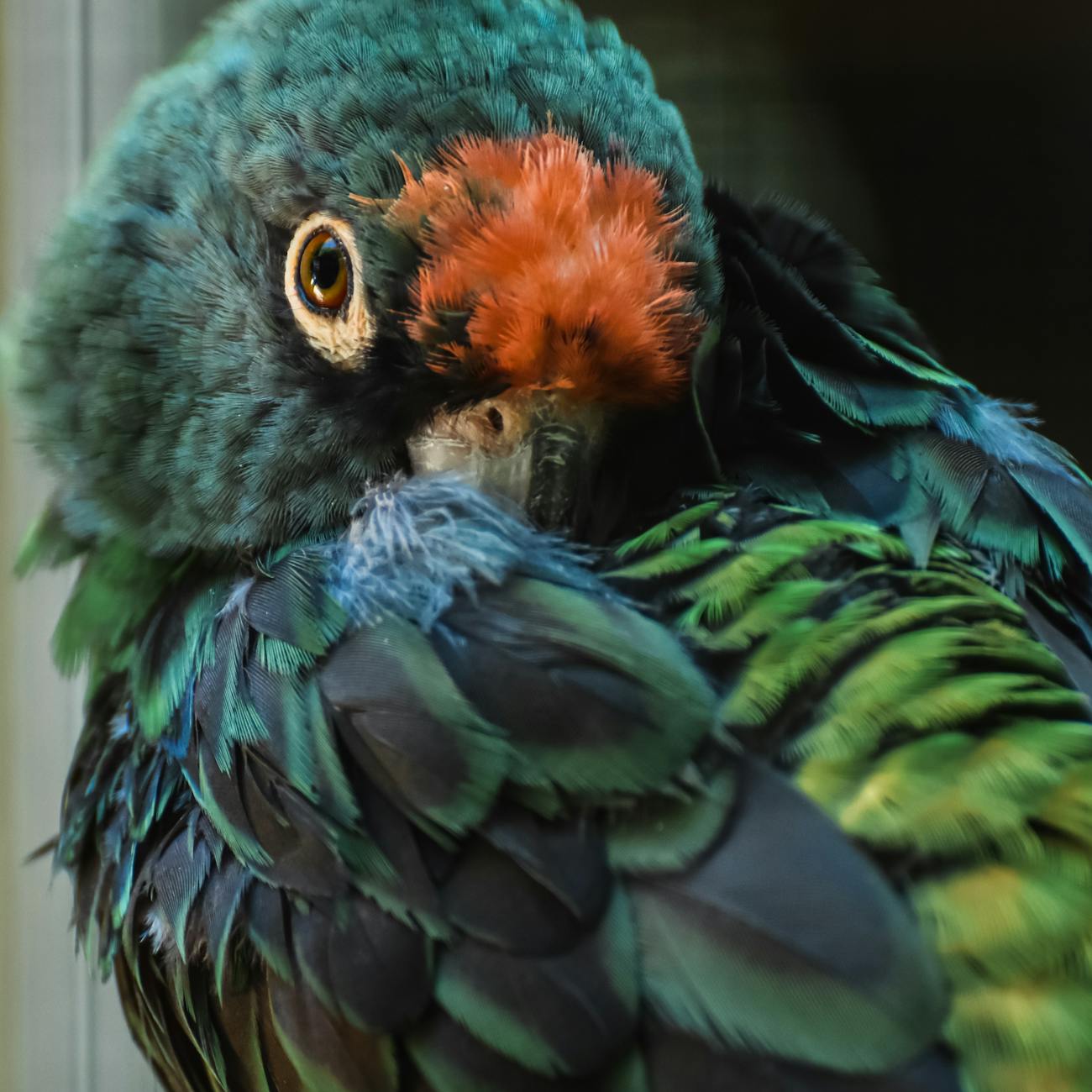
Feather Health Proper hydration is essential for maintaining healthy feathers in parrots. Dehydrated birds may exhibit dry, brittle feathers that are more prone to breakage and feather picking behavior. Adequate water intake helps keep feathers hydrated, shiny, and in good condition, contributing to the overall appearance and well-being of the bird.
Immune Function Water plays a critical role in supporting the immune system of parrots. Adequate hydration is necessary for the production of antibodies and white blood cells that help fight off infections and diseases. Dehydrated birds may have weakened immune responses, making them more susceptible to illnesses.
Water Consumption
Factors Affecting Water Intake Several factors can influence the water consumption of parrots. These include the species, age, size, diet, environmental conditions, and health status of the bird. For example, larger parrot species may require more water than smaller ones due to their higher metabolic rates and body mass. Additionally, birds on a dry seed-based diet may drink more water than those on a moist, fresh food diet.
Normal Water Intake On average, parrots should consume around 10-15% of their body weight in water daily. However, this can vary depending on individual factors such as diet composition, activity level, and environmental temperature. Monitoring water intake is essential to ensure that parrots are adequately hydrated and to detect any changes that may indicate underlying health issues.
Signs of Dehydration It is crucial for parrot owners to be able to recognize the signs of dehydration in their birds. Common symptoms include dry, tacky mucous membranes, sunken eyes, lethargy, reduced urination, and increased thirst. If dehydration is suspected, immediate veterinary attention is necessary to prevent further complications.
Sources of Water
Drinking Water Providing access to clean, fresh drinking water is the primary way to ensure that parrots stay hydrated. Water should be changed daily to prevent contamination and bacteria growth. It is recommended to use stainless steel or ceramic bowls for water, as they are easy to clean and do not leach harmful chemicals into the water.
Fruits and Vegetables Many fruits and vegetables have high water content and can contribute to the overall hydration of parrots. Foods such as cucumbers, watermelon, oranges, and leafy greens are excellent choices to supplement the water intake of birds. However, it is essential to wash fruits and vegetables thoroughly to remove any pesticides or residues before offering them to parrots.
Misting and Bathing In addition to drinking water, parrots may also benefit from misting or bathing to maintain hydration. Misting the bird with a fine spray of water can help them cool down and moisturize their feathers. Some parrot species, such as African Greys and Amazons, enjoy bathing in shallow water dishes or under a gentle stream of water.
Challenges in Hydrating Parrots
Water Bowl Contamination One of the common challenges in ensuring proper hydration for parrots is water bowl contamination. Birds may defecate in their water bowls, leading to bacterial growth and contamination. Regular cleaning and changing of water bowls are essential to prevent waterborne illnesses and maintain water quality.
Preference for Other Beverages Some parrots may develop a preference for sugary or caffeinated beverages, such as fruit juice or soda, over plain water. While these beverages may be appealing to birds, they are not suitable for their health and can lead to obesity and other health issues. It is crucial to offer only clean, fresh water to parrots to meet their hydration needs.
Dehydration from Illness Illnesses such as respiratory infections, gastrointestinal issues, or kidney disease can lead to dehydration in parrots. Birds that are unwell may have reduced water intake due to decreased appetite or difficulty swallowing. It is essential to monitor sick birds closely and provide supportive care, including hydration therapy if recommended by a veterinarian.
Conclusion
In conclusion, water and hydration are vital aspects of parrot care that should not be overlooked. Proper hydration is essential for maintaining optimal health, supporting physiological functions, and preventing dehydration-related complications. Parrot owners should ensure that their birds have access to clean, fresh water at all times, monitor their water intake, and be aware of the signs of dehydration. By understanding the importance of water and implementing appropriate hydration strategies, parrot owners can help their feathered companions thrive and lead healthy, happy lives.
Key takeaways
- It plays a critical role in various bodily functions, such as digestion, circulation, temperature regulation, and waste removal.
- In the case of parrots, hydration is crucial for ensuring optimal health and preventing dehydration, which can have serious consequences on their overall well-being.
- It also aids in regulating body temperature, especially in warm weather when parrots may need to cool down through evaporative cooling.
- Electrolytes are minerals such as sodium, potassium, and chloride that help regulate nerve and muscle function, maintain fluid balance, and control blood pH.
- Adequate water intake helps keep feathers hydrated, shiny, and in good condition, contributing to the overall appearance and well-being of the bird.
- Adequate hydration is necessary for the production of antibodies and white blood cells that help fight off infections and diseases.
- For example, larger parrot species may require more water than smaller ones due to their higher metabolic rates and body mass.