
Carbohydrates and Fats for Parrots
Carbohydrates:
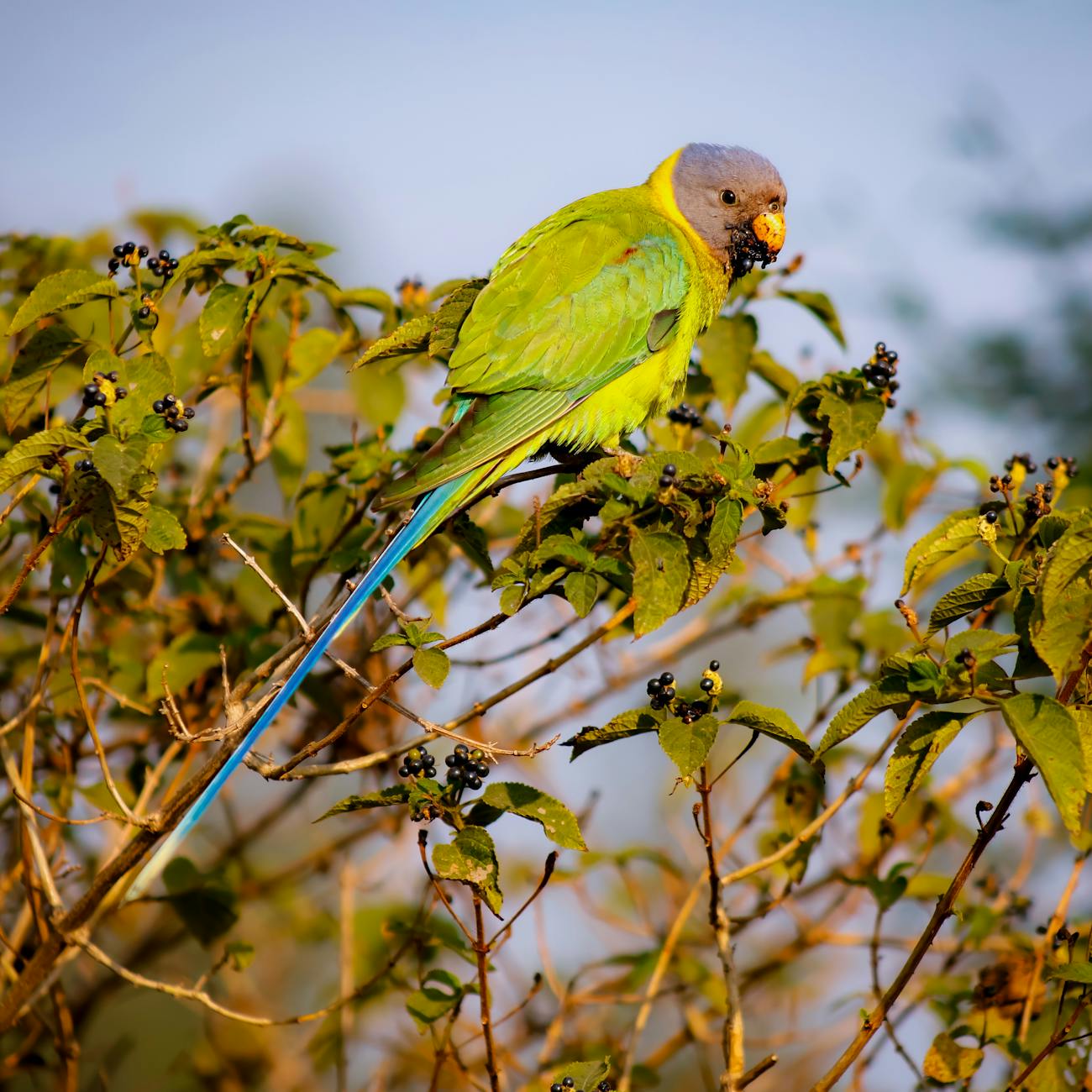
Carbohydrates:
Carbohydrates are one of the essential macronutrients that provide energy for parrots. They are composed of carbon, hydrogen, and oxygen atoms, and they come in various forms such as sugars, starches, and fibers. Carbohydrates are crucial for providing quick energy to parrots, supporting proper digestion, and maintaining overall health.
There are two main types of carbohydrates: simple carbohydrates and complex carbohydrates. Simple carbohydrates, also known as sugars, are quickly digested and absorbed by the body, providing a rapid source of energy. Examples of simple carbohydrates include glucose, fructose, and sucrose. On the other hand, complex carbohydrates, also known as starches and fibers, take longer to digest and provide a more sustained release of energy. Examples of complex carbohydrates include grains, vegetables, and fruits.
Parrots require carbohydrates in their diet to fuel their daily activities and maintain their metabolic functions. However, it is essential to provide them with the right balance of carbohydrates to prevent obesity and other health issues. Too many simple carbohydrates can lead to spikes in blood sugar levels, while too few carbohydrates can result in a lack of energy and nutrient deficiencies.
Some common sources of carbohydrates for parrots include fruits like apples, berries, and bananas, vegetables like carrots, peas, and sweet potatoes, and grains like rice, corn, and oats. It is essential to offer a variety of carbohydrate sources to ensure that parrots receive a well-rounded diet.
Parrots may face challenges related to carbohydrates, such as obesity and diabetes, if they are fed a diet high in simple sugars and low in fiber. It is crucial to monitor their carbohydrate intake and consult with a veterinarian or avian nutritionist to develop a balanced diet that meets their specific needs.
In conclusion, carbohydrates are vital for providing energy and supporting overall health in parrots. By including a variety of carbohydrate sources in their diet and monitoring their intake, you can help ensure that your feathered friend remains healthy and happy.
Fats:
Fats are another important macronutrient for parrots that provide energy, aid in nutrient absorption, and support various bodily functions. They are composed of fatty acids and are essential for maintaining healthy feathers, skin, and organs. Fats play a crucial role in parrot nutrition and should be included in their diet in moderation.
There are different types of fats, including saturated fats, unsaturated fats, and trans fats. Saturated fats are typically solid at room temperature and are found in animal-based products like meat and dairy. Unsaturated fats are liquid at room temperature and are found in plant-based oils like olive oil, flaxseed oil, and sunflower oil. Trans fats are formed through a process called hydrogenation and are commonly found in processed foods.
Parrots require a balance of saturated and unsaturated fats in their diet to support their health and well-being. Fats are essential for maintaining the integrity of cell membranes, supporting hormone production, and providing insulation for the body. However, it is crucial to offer fats in moderation to prevent obesity and other health issues.
Some common sources of fats for parrots include nuts, seeds, avocados, and coconut oil. These foods are rich in healthy fats that can help meet the nutritional needs of parrots. It is essential to provide a variety of fat sources to ensure that parrots receive a well-rounded diet.
Parrots may face challenges related to fats, such as obesity and fatty liver disease, if they are fed a diet high in saturated fats and low in unsaturated fats. It is important to monitor their fat intake and consult with a veterinarian or avian nutritionist to develop a balanced diet that meets their specific needs.
In conclusion, fats are essential for providing energy and supporting various bodily functions in parrots. By including a variety of fat sources in their diet and monitoring their intake, you can help ensure that your feathered friend remains healthy and thriving.
Key takeaways
- They are composed of carbon, hydrogen, and oxygen atoms, and they come in various forms such as sugars, starches, and fibers.
- On the other hand, complex carbohydrates, also known as starches and fibers, take longer to digest and provide a more sustained release of energy.
- Too many simple carbohydrates can lead to spikes in blood sugar levels, while too few carbohydrates can result in a lack of energy and nutrient deficiencies.
- Some common sources of carbohydrates for parrots include fruits like apples, berries, and bananas, vegetables like carrots, peas, and sweet potatoes, and grains like rice, corn, and oats.
- It is crucial to monitor their carbohydrate intake and consult with a veterinarian or avian nutritionist to develop a balanced diet that meets their specific needs.
- By including a variety of carbohydrate sources in their diet and monitoring their intake, you can help ensure that your feathered friend remains healthy and happy.
- Fats are another important macronutrient for parrots that provide energy, aid in nutrient absorption, and support various bodily functions.