
Protein and Amino Acids for Parrots
Protein and Amino Acids for Parrots
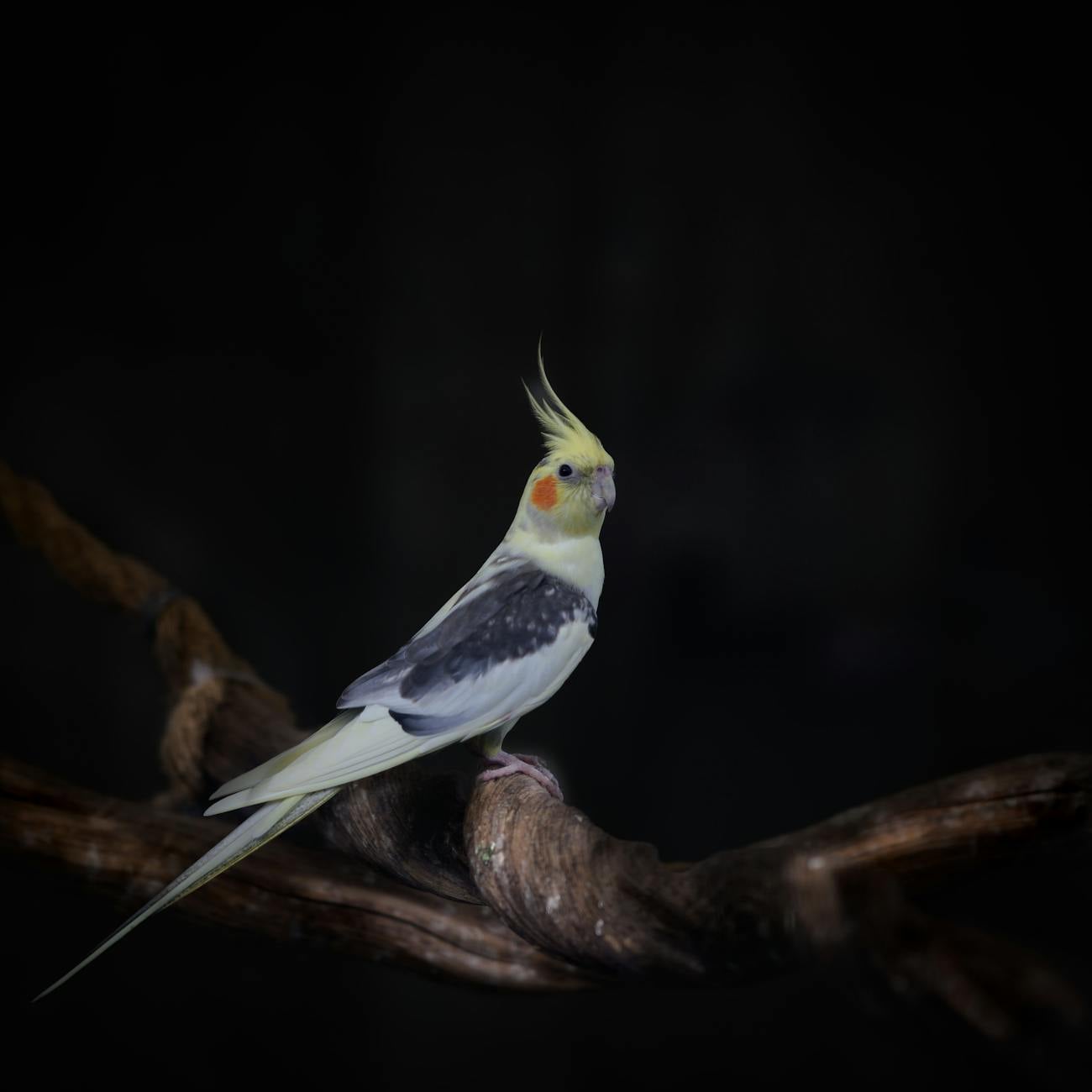
Protein and Amino Acids for Parrots
Protein is a crucial component of a parrot's diet, providing the building blocks for various bodily functions and processes. Proteins are made up of smaller units called amino acids, which are essential for the growth, repair, and maintenance of tissues in the body. In this course, we will explore the role of protein and amino acids in the nutrition of parrots and how to ensure they receive the proper amounts for optimal health.
Key Terms:
1. Protein: Proteins are large molecules made up of amino acids that are essential for the growth, repair, and maintenance of tissues in the body. They play a vital role in various bodily functions, including enzyme production, immune system function, and muscle development.
2. Amino Acids: Amino acids are the building blocks of proteins. There are 20 different amino acids that can be combined in various ways to form different proteins. Some amino acids are considered essential, meaning they cannot be synthesized by the body and must be obtained through the diet.
3. Essential Amino Acids: Essential amino acids are amino acids that cannot be synthesized by the body and must be obtained through the diet. There are nine essential amino acids for parrots, including methionine, lysine, and tryptophan.
4. Non-Essential Amino Acids: Non-essential amino acids are amino acids that can be synthesized by the body and do not need to be obtained through the diet. However, under certain conditions, such as illness or stress, non-essential amino acids may become conditionally essential.
5. Complete Protein: A complete protein is a protein source that contains all nine essential amino acids in the right proportions for the body's needs. Examples of complete protein sources for parrots include eggs, meat, and fish.
6. Incomplete Protein: An incomplete protein is a protein source that lacks one or more essential amino acids. It is important to combine different protein sources to ensure that all essential amino acids are provided in the diet.
7. Protein Quality: Protein quality refers to the digestibility and amino acid profile of a protein source. High-quality proteins are easily digestible and contain all essential amino acids in the right proportions.
8. Protein Digestibility: Protein digestibility is the percentage of protein that is absorbed and utilized by the body. Higher protein digestibility ensures that the body can efficiently utilize the protein for various functions.
9. Protein Requirement: The protein requirement is the amount of protein that a parrot needs to consume daily to meet its nutritional needs. The protein requirement may vary based on the age, size, and activity level of the bird.
10. Protein Deficiency: Protein deficiency occurs when a parrot does not consume enough protein in its diet. Protein deficiency can lead to poor growth, weakened immune system, and muscle wasting.
11. Protein Excess: Protein excess occurs when a parrot consumes more protein than it needs. Excess protein can put strain on the kidneys and liver and may lead to obesity and other health issues.
12. Protein Sources: Protein sources for parrots include both animal and plant-based sources. Animal protein sources include meat, eggs, and dairy, while plant-based protein sources include legumes, nuts, and seeds.
Amino Acids:
1. Methionine: Methionine is an essential amino acid that plays a crucial role in protein synthesis, detoxification, and metabolism. It is found in high amounts in meat, fish, and eggs.
2. Lysine: Lysine is an essential amino acid that is important for collagen production, immune function, and calcium absorption. It is found in high amounts in meat, dairy, and legumes.
3. Tryptophan: Tryptophan is an essential amino acid that is a precursor to serotonin, a neurotransmitter that regulates mood and behavior. It is found in high amounts in poultry, eggs, and dairy.
4. Threonine: Threonine is an essential amino acid that is important for the formation of collagen, elastin, and tooth enamel. It is found in high amounts in meat, dairy, and nuts.
5. Valine: Valine is an essential amino acid that is important for muscle metabolism, tissue repair, and energy production. It is found in high amounts in meat, dairy, and legumes.
6. Isoleucine: Isoleucine is an essential amino acid that is important for muscle metabolism, immune function, and energy regulation. It is found in high amounts in meat, dairy, and legumes.
7. Leucine: Leucine is an essential amino acid that plays a crucial role in muscle protein synthesis, energy production, and blood sugar regulation. It is found in high amounts in meat, dairy, and legumes.
8. Phenylalanine: Phenylalanine is an essential amino acid that is important for the production of neurotransmitters, hormones, and melanin. It is found in high amounts in meat, dairy, and legumes.
9. Histidine: Histidine is an essential amino acid that is important for immune function, digestion, and tissue repair. It is found in high amounts in meat, dairy, and legumes.
10. Arginine: Arginine is a conditionally essential amino acid that plays a crucial role in immune function, wound healing, and hormone regulation. It is found in high amounts in meat, dairy, and nuts.
Importance of Protein and Amino Acids in Parrot Nutrition:
Protein and amino acids are essential nutrients for parrots as they play a crucial role in various bodily functions and processes. Proteins are needed for muscle development, tissue repair, enzyme production, immune system function, and energy production. Amino acids, the building blocks of proteins, are necessary for the synthesis of hormones, neurotransmitters, and other important molecules in the body.
Parrots require a diet that provides the right balance of essential amino acids to support their growth, maintenance, and overall health. A deficiency or excess of protein in the diet can lead to various health issues, including poor growth, weakened immune system, muscle wasting, and obesity. It is important to provide a variety of protein sources to ensure that all essential amino acids are provided in the diet.
Protein quality is also important when considering the protein sources for parrots. High-quality proteins are easily digestible and provide all essential amino acids in the right proportions. Animal protein sources, such as meat, eggs, and dairy, are considered complete proteins and are excellent sources of essential amino acids for parrots. Plant-based protein sources, such as legumes, nuts, and seeds, can also provide essential amino acids but may need to be combined to ensure a complete amino acid profile.
Challenges in Meeting Protein and Amino Acid Requirements:
One of the challenges in meeting protein and amino acid requirements for parrots is ensuring that they receive the right balance of essential amino acids in their diet. Parrots have specific nutritional needs that must be met to support their growth, maintenance, and overall health. It is important to provide a variety of protein sources to ensure that all essential amino acids are provided in the diet.
Another challenge is determining the protein requirement for individual parrots based on factors such as age, size, and activity level. The protein requirement may vary from bird to bird, and it is essential to tailor the diet to meet the specific needs of each parrot. Monitoring the bird's growth, behavior, and overall health can help determine if the protein intake is adequate.
Balancing the protein intake is also crucial to prevent protein deficiencies or excesses. Providing too little protein can lead to poor growth, weakened immune system, and muscle wasting, while providing too much protein can put strain on the kidneys and liver and may lead to obesity and other health issues. It is important to provide the right amount of protein to meet the bird's nutritional needs without causing any harm.
Practical Applications of Protein and Amino Acids in Parrot Nutrition:
When planning a parrot's diet, it is essential to consider the protein and amino acid content of various food sources. Animal protein sources, such as meat, eggs, and dairy, are excellent sources of complete proteins that provide all essential amino acids in the right proportions. Plant-based protein sources, such as legumes, nuts, and seeds, can also provide essential amino acids but may need to be combined to ensure a complete amino acid profile.
It is important to provide a balanced diet that includes a variety of protein sources to ensure that all essential amino acids are provided in the diet. Mixing different protein sources can help ensure that the bird receives the right balance of amino acids to support its growth, maintenance, and overall health. Monitoring the bird's body condition, behavior, and overall health can help determine if the protein intake is adequate.
Supplementing the diet with protein-rich foods or amino acid supplements may be necessary in some cases to ensure that the bird receives an adequate amount of protein and essential amino acids. Consult with a veterinarian or avian nutritionist to determine the best course of action for meeting the bird's nutritional needs.
Conclusion:
Protein and amino acids are essential nutrients for parrots as they play a crucial role in various bodily functions and processes. Proteins are needed for muscle development, tissue repair, enzyme production, immune system function, and energy production. Amino acids, the building blocks of proteins, are necessary for the synthesis of hormones, neurotransmitters, and other important molecules in the body.
Providing a balanced diet that includes a variety of protein sources is essential to ensure that parrots receive the right balance of essential amino acids to support their growth, maintenance, and overall health. Monitoring the bird's body condition, behavior, and overall health can help determine if the protein intake is adequate. Consulting with a veterinarian or avian nutritionist can help ensure that the bird's nutritional needs are met.
Key takeaways
- In this course, we will explore the role of protein and amino acids in the nutrition of parrots and how to ensure they receive the proper amounts for optimal health.
- Protein: Proteins are large molecules made up of amino acids that are essential for the growth, repair, and maintenance of tissues in the body.
- Some amino acids are considered essential, meaning they cannot be synthesized by the body and must be obtained through the diet.
- Essential Amino Acids: Essential amino acids are amino acids that cannot be synthesized by the body and must be obtained through the diet.
- Non-Essential Amino Acids: Non-essential amino acids are amino acids that can be synthesized by the body and do not need to be obtained through the diet.
- Complete Protein: A complete protein is a protein source that contains all nine essential amino acids in the right proportions for the body's needs.
- It is important to combine different protein sources to ensure that all essential amino acids are provided in the diet.