
Historic Monument Conservation
Adaptive lighting refers to a system that automatically changes intensity, colour temperature, or direction in response to environmental cues, occupancy, or time of day. In historic monuments, adaptive lighting helps preserve original mater…
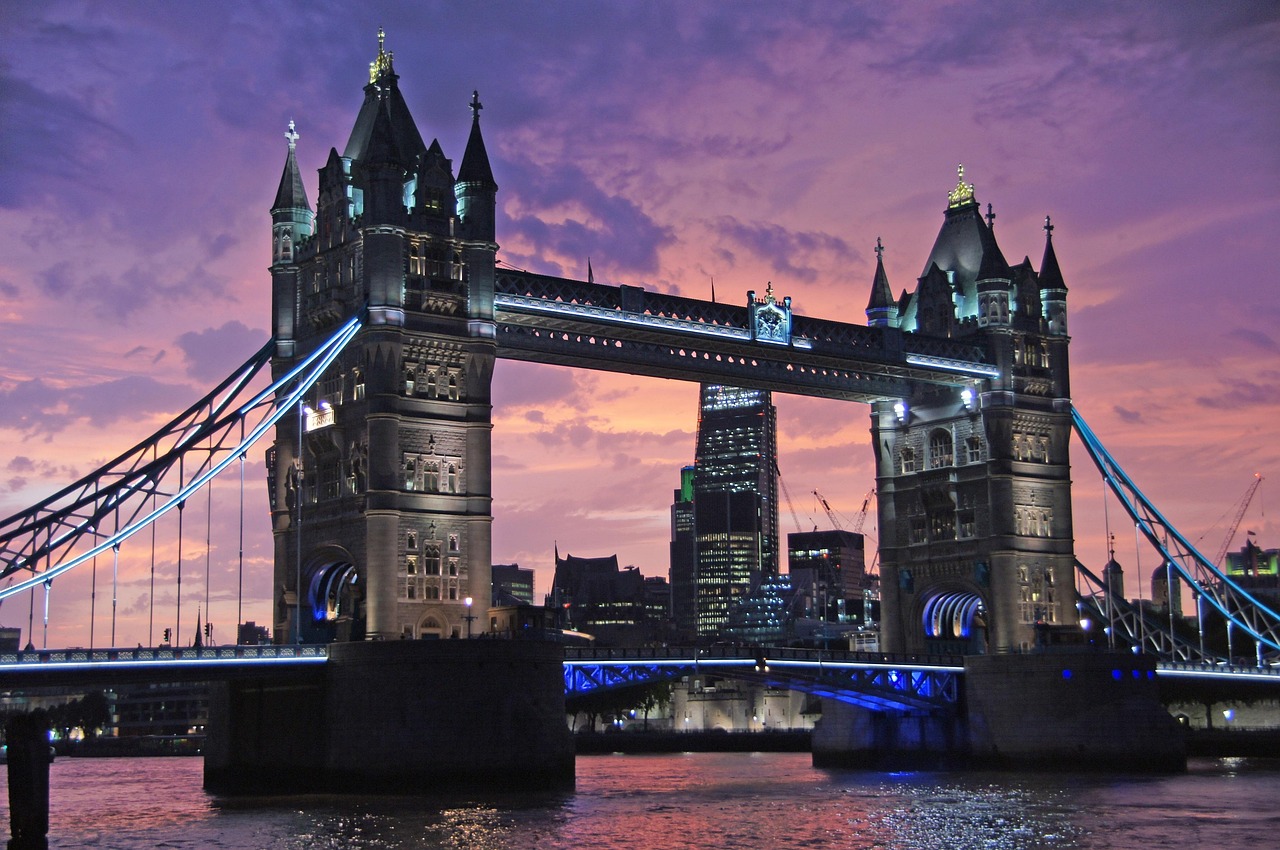
Adaptive lighting refers to a system that automatically changes intensity, colour temperature, or direction in response to environmental cues, occupancy, or time of day. In historic monuments, adaptive lighting helps preserve original material while providing adequate illumination for visitors. For instance, a medieval cathedral may employ sensors that dim the light during sunrise to reduce glare on stained‑glass windows, then gradually increase intensity as daylight fades. The challenge lies in calibrating sensors to respect the monument’s unique light‑reflectance properties, which often differ from modern buildings. Careful programming is required to avoid sudden changes that could cause visual discomfort or stress to delicate surfaces.
The term ambient illumination describes the general, overall light level in a space, creating a uniform background that enables safe navigation. In the context of historic structures, ambient illumination must be balanced against the need to protect sensitive materials. A common practice is to use low‑intensity, warm‑white LED fixtures mounted on discreet brackets to provide a soft glow that mimics natural daylight without exceeding recommended lux levels. Over‑illumination can accelerate pigment fading, while under‑illumination may lead to visitor accidents or impede the appreciation of architectural details.
Architectural heritage encompasses the physical fabric, design, and cultural significance of historic buildings, sites, and monuments. When planning lighting schemes, conservators must consider the heritage value of each element. For example, a Baroque façade with intricate stone carvings may require targeted accent lighting that highlights relief without casting harsh shadows that could obscure fine details. The heritage perspective influences the selection of lighting fixtures, often favouring historically appropriate designs or concealed mounting methods to maintain visual integrity.
Colour rendering index (CRI) measures a light source’s ability to reveal the true colours of objects compared to natural daylight. A high CRI (above 90) is essential when illuminating artworks, frescoes, or decorative tiles, as it ensures accurate colour perception for both scholars and the public. LED technology now offers high‑CRI options, yet the spectral distribution must be examined to avoid emitting wavelengths that could trigger photochemical reactions in pigments. Selecting a lamp with an appropriate CRI involves balancing energy efficiency, heat output, and spectral purity.
Conservation lighting is the practice of designing illumination that safeguards historic fabric while enhancing interpretive value. This discipline integrates principles from photobiology, material science, and heritage management. A practical application might involve installing low‑glare uplights that illuminate a Roman column’s flutes, allowing visitors to appreciate its geometry without exposing the stone to excessive ultraviolet (UV) radiation. One of the main challenges is achieving a lighting design that satisfies both preservation standards and visitor experience expectations, often requiring interdisciplinary collaboration.
Daylight harvesting is a strategy that captures natural light to reduce artificial lighting demand. In historic monuments, daylight harvesting can be implemented through the use of skylights, light wells, or reflective surfaces that direct sunlight into interior spaces. However, the introduction of daylight must be carefully controlled; excessive UV exposure can degrade frescoes, tapestries, and wooden elements. Therefore, heritage lighting designers often employ UV‑filtering glazing and automated shading devices that modulate daylight entry based on solar intensity and the monument’s conservation needs.
Energy‑efficient lighting denotes fixtures and control systems that achieve desired illumination levels while minimizing electricity consumption. For historic sites, energy efficiency is not solely an economic concern but also a sustainability issue, as lower heat output reduces the risk of thermal stress on delicate materials. LED luminaires, when paired with occupancy sensors and dimmers, can significantly cut energy use. Nevertheless, retrofitting a centuries‑old building with modern wiring may pose structural challenges, requiring careful routing to avoid invasive alterations to historic fabric.
Glare control involves reducing visual discomfort caused by excessive brightness contrast. In monuments with reflective surfaces such as marble or polished metal, glare can be particularly problematic. Techniques to mitigate glare include using indirect lighting, diffusing lenses, or positioning fixtures at angles that prevent direct line‑of‑sight exposure. For example, a museum housed within a historic palace may employ recessed wall sconces with frosted lenses to soften light on gilded ceilings, thereby preserving aesthetic qualities while protecting visitor comfort.
Historical authenticity refers to the faithful representation of a monument’s original appearance, materials, and craftsmanship. Lighting choices can either enhance or detract from authenticity. Reproducing historical lighting conditions—such as candlelight or oil‑lamp ambience—can provide immersive experiences but may introduce heat and soot that threaten preservation. Modern low‑heat LED replicas that mimic the warm colour temperature of traditional sources are often employed to balance authenticity with conservation imperatives.
Illuminance is the measured amount of light falling on a surface, expressed in lux. Determining appropriate illuminance levels is crucial for protecting sensitive artifacts while ensuring sufficient visibility. Guidelines from organizations such as the International Commission on Illumination (CIE) suggest maximum lux values for various materials: For example, 50 lux for illuminated manuscripts and up to 200 lux for stone sculptures. In practice, lighting designers use photometric calculations and on‑site measurements to fine‑tune fixture placement, ensuring that each surface receives the correct amount of light without exceeding thresholds.
Light‑emitting diode (LED) technology has revolutionised heritage lighting due to its low heat emission, long lifespan, and flexibility in colour temperature selection. LEDs can be engineered to emit specific spectral distributions that minimize harmful UV and infrared radiation. A case study might involve retrofitting a Victorian-era theatre with LED spotlights that replicate the warm amber hue of original gas lamps while preserving the wooden stage floor from thermal degradation. Despite these advantages, LED adoption may face resistance from purists who view any modern technology as incongruent with historic ambience, necessitating thoughtful stakeholder engagement.
Light pollution describes the excessive or misdirected artificial light that obscures the night sky and disrupts ecological or cultural contexts. Historic monuments situated in urban settings often compete with surrounding street lighting, which can diminish the visual impact of the monument itself. Mitigation strategies include using shielded fixtures, directing light only where needed, and employing dimming schedules that align with visitor hours. By reducing light spill, heritage sites preserve both their own aesthetic presence and the broader nocturnal environment.
Light‑sensitive materials are substances that degrade when exposed to certain wavelengths or intensities of light. Common examples in historic monuments include organic pigments, vellum, silk, and certain wood finishes. Understanding the photochemical behaviour of these materials informs the selection of lighting spectra that exclude damaging UV components. For instance, a medieval tapestry may be protected by LEDs that emit only in the 400–500 nm range, avoiding shorter wavelengths that accelerate fading. Continuous monitoring of material condition is essential, as even low‑level exposure can accumulate damage over decades.
Maintenance‑free lighting describes systems designed to operate reliably for extended periods without the need for frequent bulb replacement or cleaning. In inaccessible heritage locations—such as the upper reaches of a historic tower—maintenance‑free fixtures reduce the necessity for scaffold work that could endanger the structure. High‑efficiency LEDs, sealed optics, and anti‑dust coatings contribute to this approach. However, designers must consider the long‑term compatibility of these fixtures with the monument’s thermal and moisture regimes, as sealed units can trap heat or moisture if not properly ventilated.
Material compatibility is the principle that lighting components should not chemically interact with the historic fabric they illuminate. Certain metals used in fixtures, for example, can corrode in the presence of acidic vapours emitted by some stone or plaster. Selecting inert materials such as anodised aluminium or stainless steel helps prevent such adverse reactions. In practice, a conservation team may conduct accelerated ageing tests on fixture materials placed near a limestone wall to verify that no detrimental by‑products develop over time.
Photobiology studies the effects of light on living organisms and, by extension, on organic heritage materials. Knowledge of photobiology guides the establishment of exposure limits for items such as frescoes, textiles, and paper. For instance, the D50 standard (500 lux for 50 % of the recommended exposure limit) is often applied to museum lighting, yet historic monuments may require stricter limits due to the age and fragility of their contents. Applying photobiological principles ensures that illumination does not accelerate degradation pathways like oxidation or polymer breakdown.
Photometric analysis involves measuring and modelling the distribution of light from a source, typically using software that predicts illuminance, uniformity, and glare. In heritage contexts, photometric analysis helps designers visualise how light will interact with complex architectural features, such as vaulted ceilings or ornate cornices. By simulating various fixture positions and beam angles, designers can optimise the lighting scheme before physical installation, reducing the risk of unintended shadows or hotspots that could obscure decorative elements.
Preservation thresholds are the maximum allowable light exposure levels for specific materials, expressed in lux‑hours or joules per square metre. These thresholds are derived from scientific research on material stability under illumination. For example, a 19th‑century oil painting may have a preservation threshold of 10 lux‑hours per day, dictating that lighting designers limit its average illuminance to around 150 lux for a typical 8‑hour visitation period. Establishing and respecting these thresholds is vital for long‑term conservation planning.
Reflectance is the proportion of incident light that a surface returns to the observer. Historic surfaces exhibit a wide range of reflectance values, from the high gloss of polished marble to the matte finish of aged plaster. Understanding reflectance informs fixture selection: High‑reflectance surfaces may require lower light output to achieve the same perceived brightness as darker materials. In practice, a conservator may use a spectrophotometer to measure the reflectance of a stone portal, then calibrate the lighting design to avoid over‑illumination that could cause glare.
Regulatory standards encompass the legal and professional guidelines governing illumination of heritage sites. International bodies such as ICOMOS and national heritage agencies publish recommendations on acceptable lux levels, UV limits, and fixture placement. Compliance with these standards ensures that lighting projects meet both preservation and public safety requirements. For example, a UNESCO World Heritage site may be required to submit a detailed lighting impact assessment before any new illumination installation is approved.
Scintillating light describes light that fluctuates rapidly, creating a flickering effect. While some historic lighting, like gas lamps, naturally produced a gentle flicker, modern LEDs can inadvertently generate high‑frequency scintillation that is imperceptible to the naked eye but can cause discomfort or fatigue for sensitive individuals. In heritage settings, designers should select drivers and dimmers that produce a stable light output, especially in environments where visitors may spend extended periods, such as reading rooms within historic libraries.
Spectral power distribution (SPD) details the intensity of light emitted at each wavelength across the visible spectrum. A well‑designed heritage lighting system uses SPD data to avoid wavelengths that accelerate material decay while maintaining a pleasing visual appearance. For example, an SPD that peaks in the amber region (around 590 nm) can provide a warm ambience reminiscent of candlelight without the harmful UV components present in the blue region (below 420 nm). SPD analysis is therefore a core component of the lighting design process for historic monuments.
Site‑specific lighting acknowledges that each historic monument possesses unique spatial configurations, material compositions, and interpretive goals, requiring a tailored illumination solution. A generic lighting plan cannot adequately address the varied needs of a fortified castle, a historic garden, and a neoclassical museum. Designers must conduct thorough site surveys, including architectural drawings, material assessments, and visitor flow analysis, to develop a bespoke lighting scheme that respects the monument’s character while meeting functional requirements.
Thermal load is the amount of heat generated by a lighting fixture. Even low‑heat LED sources can contribute to a cumulative thermal load that affects temperature‑sensitive heritage elements. In a vaulted stone nave, for instance, excessive thermal load could raise ambient temperature, encouraging condensation on frescoed walls. Proper fixture selection, heat‑sinking, and ventilation strategies help manage thermal load, ensuring that illumination does not inadvertently create a microclimate detrimental to the monument’s fabric.
Uniformity ratio measures the variation in illuminance across a target area, expressed as the ratio of minimum to average lux. High uniformity (close to 1) is desirable in exhibition spaces to avoid visual hotspots, yet in historic interiors, intentional contrast can accentuate architectural features. For a Gothic cathedral, a lower uniformity ratio may be employed to highlight rib vaults while keeping surrounding nave areas softly lit. Balancing uniformity with artistic intent requires careful planning and often iterative testing on‑site.
Visitor experience pertains to how lighting influences the perception, comfort, and engagement of people exploring a historic monument. Effective lighting can guide movement, emphasize storytelling, and create emotional resonance. For example, subtle accent lighting along a historic promenade can lead visitors toward a focal point, such as a commemorative statue, while ambient lighting maintains safety. However, over‑emphasis on dramatic effects may compromise authenticity or cause visual fatigue, underscoring the need for a visitor‑centred yet conservation‑sensitive approach.
Visual acuity refers to the ability of the human eye to resolve fine details. In heritage contexts, proper lighting must support the visual acuity required to appreciate intricate craftsmanship, such as the delicate carving on a medieval wooden altar. Providing sufficient illuminance, appropriate colour temperature, and minimal glare ensures that visitors can discern these details without straining. Inadequate lighting can lead to misinterpretation of artistic intent or loss of appreciation for subtle decorative elements.
Wireless control systems enable remote adjustment of lighting parameters such as intensity, colour temperature, and timing without extensive cabling. In historic monuments where intrusive wiring is prohibited, wireless solutions offer flexibility and reduce physical impact on the fabric. For instance, a wireless dimmer can be installed in a historic cloister to gradually lower light levels after closing hours, protecting nocturnal fauna and reducing energy consumption. Security considerations, such as encryption and signal interference, must be addressed to ensure reliable operation.
Zero‑maintenance lighting is an aspirational concept wherein fixtures are designed to function for the lifespan of the monument without requiring service. This approach often relies on solar‑powered LEDs, long‑life batteries, and self‑cleaning optics. While appealing for remote or hard‑to‑access sites, zero‑maintenance solutions must be evaluated for compatibility with heritage conservation goals, particularly concerning heat emission, spectral output, and potential visual intrusion. The initial investment may be higher, but the reduction in invasive maintenance activities can be a significant benefit for fragile structures.
Back‑up lighting provides redundancy to ensure safety and continuity of illumination during power outages or system failures. In historic venues, emergency lighting must be discreet to avoid detracting from the aesthetic environment while still delivering sufficient illuminance for evacuation. Low‑profile LED exit signs with battery backup are commonly used, but their colour temperature and mounting must be chosen carefully to blend with the historic interior. Regular testing of back‑up systems is essential to confirm reliability.
Colour temperature describes the hue of a light source, measured in kelvin (K). Warm colour temperatures (2700–3000 K) evoke the ambience of candlelight and are often preferred in historic settings to complement aged materials. Cooler temperatures (4000–5000 K) can appear stark and may highlight surface imperfections, making them less suitable for heritage interiors. Selecting an appropriate colour temperature involves considering the monument’s original lighting conditions, the desired interpretive narrative, and the preservation impact of specific wavelengths.
Conservation ethics governs the decision‑making process regarding interventions on historic monuments, including lighting installations. Core principles such as “minimum intervention,” “reversibility,” and “respect for authenticity” guide practitioners. Applying these ethics means that lighting fixtures should be installed in a manner that can be removed without damage, that any alterations to the fabric are reversible, and that the visual narrative remains faithful to the monument’s historical context. Ethical considerations often lead to creative solutions, such as using non‑invasive mounting brackets or temporary lighting rigs for special exhibitions.
Light‑fitting denotes the process of selecting and positioning lighting fixtures to achieve specific visual outcomes. In heritage environments, light‑fitting must respect architectural constraints, such as limited ceiling height, historic plasterwork, or ornate cornices. A skilled light‑fitter may employ custom‑fabricated housings that nest within existing ornamental features, ensuring that the new lighting remains unobtrusive. Precision in light‑fitting reduces the risk of accidental damage to fragile elements during installation.
Integrated lighting design involves the coordination of illumination strategies with other building systems, such as climate control, security, and interpretive signage. In historic monuments, integration is crucial because changes in one system can affect the others; for example, increased heat from lighting can alter humidity levels, impacting preservation. Collaborative planning among conservators, architects, engineers, and lighting designers ensures that the overall environment supports both conservation and visitor engagement. Integrated design often leverages Building Information Modeling (BIM) to simulate interactions before implementation.
Light‑mapping is the creation of a visual representation that shows how light will distribute across a monument’s surfaces. Using photometric software, designers generate colour‑coded maps indicating areas of high and low illuminance, allowing for adjustments before physical installation. Light‑mapping is particularly valuable in complex spaces like vaulted chapels, where indirect reflections can cause unexpected hotspots. By iteratively refining the map, designers achieve a balanced illumination that accentuates architectural features while maintaining uniformity where needed.
Photovoltaic lighting harnesses solar energy to power illumination, offering a sustainable solution for remote historic sites lacking reliable grid access. Solar panels can be discreetly mounted on non‑visible roof sections, supplying energy to LED fixtures that illuminate a ruin at night. The challenge is ensuring that solar collectors do not visually dominate the heritage landscape and that battery storage does not produce heat that could affect nearby structures. Careful site analysis and aesthetic integration are essential for successful photovoltaic applications.
Time‑based lighting schedules illumination to change throughout the day or season, aligning with natural light cycles and visitor patterns. For a historic garden, dawn lighting may be soft and cool to simulate sunrise, while evening lighting shifts to warmer tones to create a romantic atmosphere. Time‑based controls also allow for reduced lighting after closing hours, protecting nocturnal wildlife and conserving energy. Implementing such schedules requires reliable automation and may involve programmable logic controllers (PLCs) that interface with heritage management systems.
Light‑sensitive documentation refers to the recording of a monument’s condition under specific lighting conditions, ensuring that future assessments can compare changes accurately. Photographic surveys, for example, must be taken with consistent illuminance and colour temperature to detect subtle fading or material alterations over time. Maintaining a standardized lighting setup for documentation helps differentiate between genuine deterioration and variations caused by differing lighting during image capture.
Illuminance modelling employs computational tools to predict how light interacts with a space, accounting for surface reflectance, fixture characteristics, and geometry. In historic monument projects, modelling helps anticipate the visual impact of proposed lighting without physically altering the site. It also assists in compliance verification against preservation thresholds and regulatory standards. Accurate modelling requires detailed input data, often obtained through laser scanning and material analysis, emphasizing the interdisciplinary nature of heritage lighting projects.
Radiant heat is the infrared energy emitted by a light source that can raise the temperature of surrounding surfaces. Although LEDs generate less radiant heat than incandescent lamps, the cumulative effect of numerous fixtures can still influence the microclimate of a heritage interior. Monitoring temperature fluctuations caused by radiant heat is essential, especially in environments where temperature stability is critical for the preservation of organic materials like parchment or wood. Designing fixtures with heat‑sinking elements and providing adequate ventilation mitigates this risk.
Light‑pollution mitigation strategies aim to reduce unnecessary spill and glare that affect both the monument’s visual integrity and the surrounding environment. Shielded fixtures, directional optics, and controlled dimming are common measures. In the case of a historic lighthouse, shielding the lantern’s beam prevents stray light from washing out the surrounding seascape, preserving the lighthouse’s iconic silhouette while protecting marine ecosystems from artificial illumination. Effective mitigation balances preservation, visitor experience, and environmental stewardship.
Colour fidelity describes how accurately a light source renders the true colours of illuminated objects. High colour fidelity is crucial when displaying painted surfaces, mosaics, or decorative tiles within historic settings. LED technology now offers options with both high CRI and precise spectral tuning, enabling designers to achieve faithful colour representation without compromising on energy efficiency. Nevertheless, achieving colour fidelity must be weighed against the need to limit harmful wavelengths, requiring a nuanced selection process.
Light‑level monitoring involves the continuous measurement of illumination to ensure compliance with established thresholds. Sensors placed strategically throughout a monument can log lux values, providing data for conservation assessments and informing adjustments to lighting controls. For example, in a historic library, real‑time monitoring may trigger automatic dimming when ambient light exceeds safe levels for the parchment collections. Data analytics derived from monitoring can reveal patterns and guide long‑term lighting strategy refinements.
Photocatalytic degradation is a chemical process where light, especially UV, accelerates the breakdown of materials such as stone, pigments, or organic binders. Understanding this phenomenon helps designers avoid lighting choices that could catalyse deterioration. For instance, certain limestone types are vulnerable to UV‑induced calcium carbonate loss, prompting the use of UV‑free lighting solutions. Incorporating this knowledge into lighting specifications safeguards the monument’s structural and aesthetic integrity over time.
Reversible mounting ensures that lighting fixtures can be removed without leaving traces or causing damage to the historic fabric. Techniques include using non‑invasive brackets, removable adhesive pads, or custom‑fabricated mounts that fit within existing architectural recesses. Reversibility aligns with conservation ethics and facilitates future upgrades or changes in lighting technology. Implementing reversible mounting often requires detailed documentation of attachment points and careful planning to avoid altering original materials.
Light‑emission uniformity assesses how evenly a fixture distributes light across its beam. In heritage lighting, uniform emission can prevent uneven illumination that might highlight imperfections or obscure decorative details. Fixtures with engineered diffusers or multiple LEDs can achieve high uniformity, making them suitable for illuminating large surfaces such as frescoed walls. However, certain design intents may benefit from non‑uniform emission to create dramatic shading effects that enhance three‑dimensional relief.
Dynamic lighting refers to systems that change colour temperature, intensity, or direction over time, often to create immersive experiences or simulate natural cycles. In historic monument contexts, dynamic lighting can be used to recreate historic events, such as the shifting hues of a royal ceremony. While compelling, dynamic lighting must be employed judiciously to avoid overstimulation, thermal stress, or excessive UV exposure. Careful programming and adherence to preservation thresholds ensure that dynamic effects enhance interpretation without compromising the fabric.
Light‑weight fixtures are designed to minimize structural load on historic ceilings, walls, or arches. Materials such as aluminium alloys, composites, or thin‑profile LED panels reduce weight compared to traditional luminaires. In an ancient basilica with delicate timber beams, employing light‑weight fixtures prevents over‑loading that could lead to deformation or failure. The selection of lightweight solutions must also consider durability, thermal management, and aesthetic integration.
Colorimetric calibration involves adjusting lighting output to meet specific colour standards, ensuring consistent visual appearance across different viewing conditions. Calibration is essential when multiple light sources are used in a single heritage space, as mismatched colour temperatures can create visual discord. Using spectroradiometers, designers can fine‑tune each fixture to align with a target colourimetric profile, achieving harmonious illumination that respects the monument’s historic palette.
Light‑sensitive signage incorporates illumination that does not damage nearby heritage elements while providing clear way‑finding for visitors. For example, low‑lux LED backlights behind translucent plaques can guide visitors through a historic cloister without emitting harmful radiation onto adjacent stonework. Designing such signage requires coordination with conservation teams to set appropriate illuminance levels and spectral characteristics, ensuring that the signage serves its functional purpose without becoming a conservation risk.
Photocurrent is the electrical current generated in a light‑sensing device when exposed to illumination. In heritage lighting control, photocurrent sensors can detect ambient light levels and adjust artificial lighting accordingly, a technique known as daylight harvesting. Implementing photocurrent‑based controls in a historic museum allows natural daylight to be maximized while protecting sensitive objects from over‑exposure. Calibration of these sensors must account for the unique reflectance and colour of historic interiors to avoid erroneous dimming.
Heritage‑specific standards are guidelines crafted for particular types of monuments, reflecting their unique material compositions and cultural contexts. For instance, standards for illuminated manuscripts differ from those for stone monuments, each specifying distinct lux limits, UV thresholds, and colour temperature ranges. Practitioners must reference these specialized documents when developing lighting plans, ensuring that the chosen parameters align with the specific preservation needs of the monument under consideration.
Light‑directionality describes the angle at which light strikes a surface, influencing how textures, relief, and surface finishes are perceived. In historic architecture, controlling directionality can accentuate sculptural depth, reveal hidden details, or reduce glare on polished surfaces. For example, angled uplights placed at the base of a column can emphasize its fluting without creating harsh shadows on the surrounding wall. Mastery of light‑directionality requires an understanding of both the monument’s geometry and the visual impact of various beam angles.
Energy‑monitoring systems track electricity consumption of lighting installations, providing data to optimise efficiency and identify anomalies. In heritage sites, such systems help balance the need for conservation‑friendly lighting with budgetary constraints. By analysing consumption patterns, managers can adjust schedules, replace underperforming fixtures, or implement additional controls to reduce waste. Integrating energy‑monitoring with preservation data supports a holistic approach to sustainable heritage management.
Historical research underpins every lighting decision, informing choices about original illumination methods, cultural symbolism, and period‑appropriate aesthetics. Archival documents, paintings, and early photographs can reveal how a monument was originally lit, guiding contemporary designers in recreating authentic experiences. For instance, research indicating that a 17th‑century palace used oil lamps with a warm amber hue may inspire the selection of LED sources that mimic that colour temperature while eliminating the hazards associated with open flames.
Light‑sensitive vegetation pertains to plants within historic gardens that react adversely to certain wavelengths or intensities of light. In heritage landscape lighting, designers must select fixtures that limit blue light, which can disrupt plant photoperiods and photosynthesis. Using amber‑tinted LEDs with low blue content preserves both the visual appeal of the garden at night and the health of its botanical specimens. Monitoring plant response to lighting interventions ensures that horticultural heritage remains vibrant alongside built heritage.
Illumination hierarchy establishes a layered approach to lighting, prioritising essential functional illumination first, followed by accent and decorative lighting. In a historic theater, the hierarchy might begin with safe egress lighting, then progress to stage lighting that showcases architectural ornamentation, and finally include subtle mood lighting for audience areas. This structured methodology assists designers in allocating resources, maintaining safety standards, and achieving aesthetic goals without compromising conservation priorities.
Light‑damage assessment evaluates the extent to which illumination has affected a monument’s materials over time. Techniques include spectrophotometric analysis, visual inspection, and comparison with baseline documentation. Regular assessments inform adjustments to lighting controls, ensuring that cumulative exposure remains within acceptable limits. For example, a light‑damage assessment of a fresco may reveal slight fading after a decade of exposure, prompting a reduction in average lux levels for future exhibitions.
Photographic lighting is the specialized illumination required for capturing high‑quality images of historic artifacts and interiors. Consistency in colour temperature, colour rendering, and shadow control is paramount to produce accurate visual records. Photographers often employ portable LED panels with adjustable intensity and diffusion to balance ambient light and avoid reflections on glass or polished surfaces. Coordination between lighting designers and documentation teams ensures that photographic needs are met without compromising long‑term conservation.
LED colour tuning enables precise adjustment of the spectral output of LED fixtures, allowing designers to achieve specific colour temperatures or accentuate particular hues. In heritage applications, colour tuning can be used to replicate historic lighting conditions, such as the warm glow of gas lamps, while maintaining low UV emission. Advanced controllers permit fine‑grained adjustments, supporting nuanced lighting scenarios that respond to seasonal changes or special events.
Light‑sensitive floor coverings include historic carpets, tapestries, or stone tiles that may degrade under prolonged illumination. Protective measures involve using low‑lux floor lighting, employing motion sensors to activate illumination only when visitors are present, and selecting fixtures with minimal heat output. In a historic palace hall, integrating discreet floor‑mounted LEDs that illuminate a rug only when a visitor steps near it preserves both the visual experience and the rug’s longevity.
Glare‑free optics are lens designs that diffuse light to reduce direct glare while maintaining adequate illuminance. In heritage settings, glare‑free optics are essential for illuminating reflective surfaces such as polished marble without creating uncomfortable bright spots. Fixtures equipped with frosted diffusers or micro‑prismatic lenses spread light evenly, preserving the visual harmony of the space. Selecting appropriate optics requires testing in situ to confirm that glare reduction does not compromise the ability to discern fine details.
Radiant temperature measures the apparent temperature of a surface as perceived by thermal radiation, influencing how visitors experience warmth in a lit environment. In historic monuments, controlling radiant temperature is critical to prevent thermal stress on materials like frescoes that may expand or contract with temperature fluctuations. Lighting designers can manage radiant temperature by selecting low‑heat LEDs, providing adequate ventilation, and monitoring ambient conditions with sensors that feed data to automated control systems.
Light‑sensitive acoustic environments acknowledge that illumination can affect sound absorption and reverberation, particularly in historic chambers with delicate acoustic qualities. Bright lighting fixtures may introduce additional surfaces that alter sound diffusion, potentially detracting from the acoustic authenticity of a space. Designers must evaluate the acoustic impact of lighting installations, opting for low‑profile fixtures that preserve the original sound characteristics while delivering appropriate illumination.
Preservation‑first lighting philosophy places the protection of historic fabric above aesthetic considerations, guiding all design decisions. Under this philosophy, lighting levels are set to the lowest values that still achieve functional goals, and any decorative lighting is secondary to conservation needs. Implementing this approach requires rigorous documentation, stakeholder consensus, and often innovative solutions to reconcile visitor expectations with stringent preservation thresholds.
Light‑sensitive structural analysis involves assessing how illumination influences the physical stability of a monument’s structure. For example, prolonged exposure to heat from high‑intensity fixtures can cause expansion in timber beams, leading to joint loosening. Engineers may employ finite‑element modelling to predict thermal effects on structural components, ensuring that lighting choices do not inadvertently compromise the monument’s integrity.
Photometric data sheets provide manufacturers’ specifications on luminous flux, distribution, colour temperature, and CRI for each fixture. Reviewing these sheets is a critical step in selecting appropriate lighting for heritage applications, as they reveal potential issues such as high UV output or excessive heat. Conservators must scrutinise photometric data to confirm compliance with preservation thresholds before approving any fixture for installation.
Light‑sensitive visitor pathways refer to routes through a historic site where illumination must be carefully managed to protect adjacent artifacts while ensuring safety. Designing such pathways often involves using low‑lux, directional lighting that follows the visitor’s line of sight, minimizing spill onto sensitive walls or ceilings. Motion sensors can activate lighting only when a visitor approaches, reducing cumulative exposure and conserving energy.
Colour‑temperature grading is the process of assigning specific colour temperatures to different zones within a monument to reflect historical periods or functional uses. For instance, a Renaissance gallery may be lit with a 3000 K warm tone to evoke candlelit ambience, while an adjoining 19th‑century exhibition hall uses a cooler 3500 K to reflect gas‑light conditions. Grading supports narrative storytelling while respecting material sensitivities.
Lighting‑control protocols define the rules and sequences governing how fixtures respond to inputs such as occupancy, daylight levels, or scheduled events. Protocols may include dimming curves, fade‑in/out timings, and emergency overrides. In heritage contexts, these protocols must be meticulously documented and tested to ensure they do not produce unintended lighting spikes that could damage materials or disrupt visitor experience.
Light‑sensitive restoration work is the process of performing conservation interventions under controlled illumination to prevent further damage. Restorers often require stable, high‑CRI lighting with minimal UV to evaluate colour matches and material conditions accurately. Portable LED worklights with adjustable intensity enable conservators to tailor illumination to the specific task while maintaining a safe environment for the artifact.
Illumination impact assessment evaluates the overall effect of a lighting scheme on a historic monument, encompassing visual, environmental, and conservation dimensions. This assessment combines quantitative data—such as lux measurements and energy consumption—with qualitative observations of visitor perception and material response. Findings guide refinements to the lighting design, ensuring that the final implementation aligns with both interpretive goals and preservation imperatives.
Light‑sensitive lighting maintenance schedules incorporate regular checks of fixture performance, spectral output, and heat dissipation to verify ongoing compliance with conservation standards. Maintenance protocols may include cleaning diffusers to prevent dust accumulation that could alter light distribution, calibrating colour temperature, and verifying that UV filters remain effective. Adhering to a disciplined maintenance regime extends the lifespan of both the lighting system and the historic fabric it protects.
Architectural light‑mapping combines three‑dimensional scanning with photometric simulation to produce detailed visualizations of how light will interact with complex historic structures. This technique enables designers to anticipate shadow patterns, highlight architectural articulation, and identify potential glare sources before installation. By iteratively adjusting the virtual lighting setup, architects can optimise the final scheme for both aesthetic impact and material safety.
Conservation‑compatible wiring involves routing electrical conduits in a manner that minimizes intrusion into historic fabric. Strategies include using existing voids, surface‑mounted raceways painted to match surrounding materials, or wireless power transmission where feasible. The goal is to preserve the integrity of walls, ceilings, and decorative elements while providing reliable power to lighting fixtures. Documentation of wiring paths is essential for future maintenance and potential reversibility.
Light‑sensitive visitor feedback gathers responses from guests regarding comfort, visual clarity, and emotional impact of the lighting. Surveys and observational studies help designers calibrate illumination levels, colour temperatures, and control strategies to enhance visitor satisfaction without compromising conservation. Feedback loops enable continuous improvement, ensuring that lighting remains responsive to evolving expectations and emerging preservation knowledge.
LED driver selection is a critical factor in achieving stable, dimmable, and spectrally consistent illumination. Drivers with high efficiency, low harmonic distortion, and built‑in UV filtration are preferred for heritage applications. Choosing an appropriate driver also influences the longevity of the LED modules and the overall reliability of the lighting system. Compatibility between driver and fixture must be verified to avoid flicker or colour shift that could affect both visitor experience and material safety.
Light‑sensitive acoustic monitoring integrates sound level meters with lighting controls to ensure that changes in illumination do not adversely affect the acoustic environment of a historic space. For example, increasing lighting intensity in a concert hall may inadvertently raise ambient noise due to fan operation in fixtures. Coordinating acoustic and lighting systems helps maintain the acoustic integrity essential for performances and visitor appreciation.
Energy‑performance contracts can be established between heritage site operators and lighting service providers, outlining guarantees for energy savings, maintenance, and conservation compliance. Such contracts incentivise the adoption of efficient, low‑impact lighting solutions while providing financial predictability for the monument’s management. Performance metrics may include reduced electricity consumption, lower carbon emissions, and adherence to preservation thresholds.
Light‑sensitive emergency preparedness ensures that evacuation routes remain illuminated under power loss without exposing heritage materials to harmful lighting. Backup systems must be designed with low‑lux, UV‑free fixtures that activate instantly, preserving both safety and conservation. Regular drills and system testing confirm that emergency lighting functions correctly while respecting the monument’s protective requirements.
Non‑invasive lighting probes are portable devices used to assess illumination levels without installing permanent fixtures. These probes can measure lux, colour temperature, and spectral distribution, providing valuable data during the planning phase. By employing non‑invasive tools, conservators can evaluate lighting scenarios without altering the historic fabric, preserving the site’s authenticity throughout the design process.
Light‑sensitive interpretive displays combine illumination with educational content to enhance visitor understanding of a monument’s history. Displays must be lit at levels that are comfortable for reading while safeguarding adjacent artifacts.
Key takeaways
- For instance, a medieval cathedral may employ sensors that dim the light during sunrise to reduce glare on stained‑glass windows, then gradually increase intensity as daylight fades.
- A common practice is to use low‑intensity, warm‑white LED fixtures mounted on discreet brackets to provide a soft glow that mimics natural daylight without exceeding recommended lux levels.
- For example, a Baroque façade with intricate stone carvings may require targeted accent lighting that highlights relief without casting harsh shadows that could obscure fine details.
- LED technology now offers high‑CRI options, yet the spectral distribution must be examined to avoid emitting wavelengths that could trigger photochemical reactions in pigments.
- A practical application might involve installing low‑glare uplights that illuminate a Roman column’s flutes, allowing visitors to appreciate its geometry without exposing the stone to excessive ultraviolet (UV) radiation.
- Therefore, heritage lighting designers often employ UV‑filtering glazing and automated shading devices that modulate daylight entry based on solar intensity and the monument’s conservation needs.
- For historic sites, energy efficiency is not solely an economic concern but also a sustainability issue, as lower heat output reduces the risk of thermal stress on delicate materials.