
Cultural Significance Of Lighting
The term cultural significance refers to the values, meanings, and meanings that a historic monument holds for a community, nation, or humanity at large. In lighting design, this concept drives every decision, from the selection of light so…
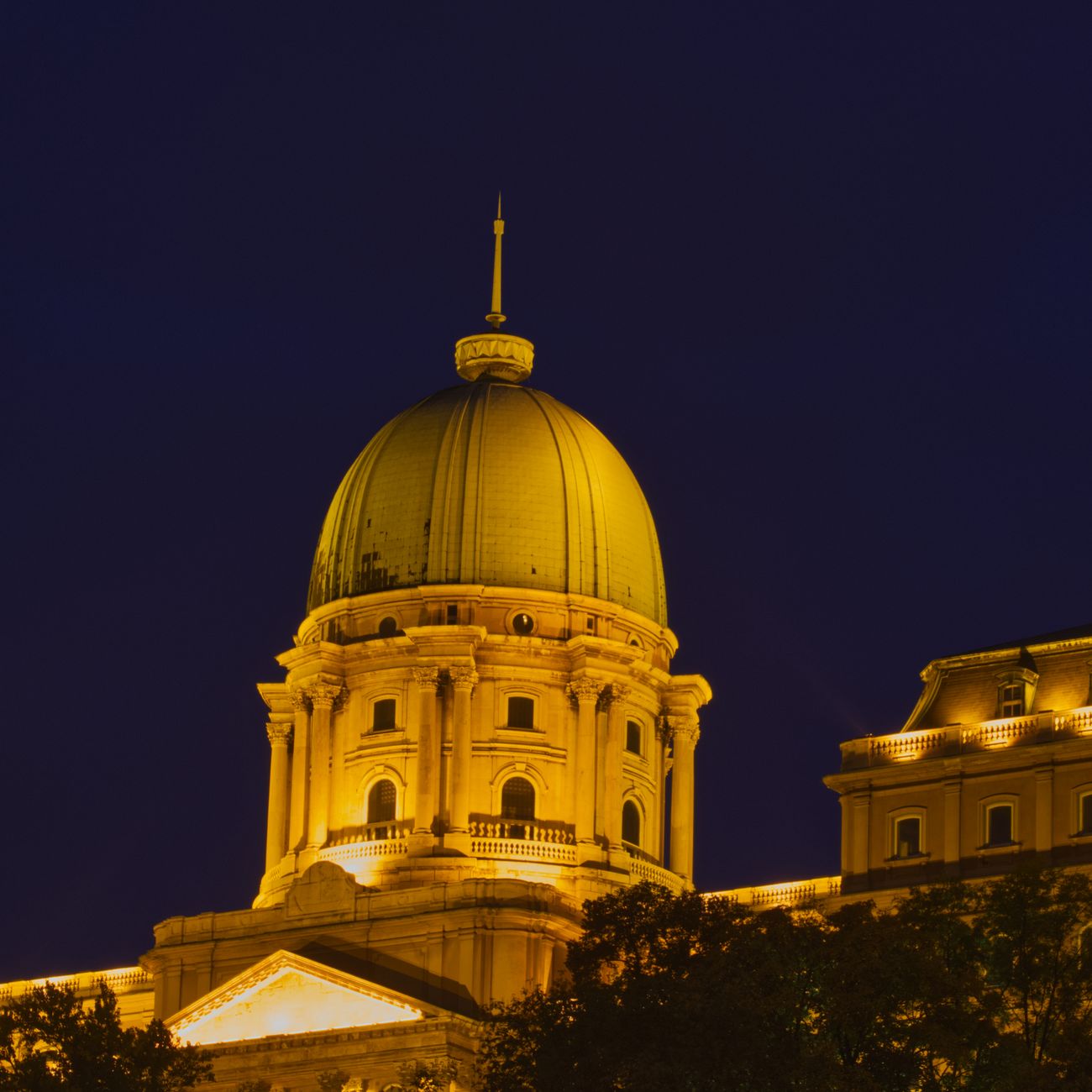
The term cultural significance refers to the values, meanings, and meanings that a historic monument holds for a community, nation, or humanity at large. In lighting design, this concept drives every decision, from the selection of light sources to the placement of fixtures, because the illumination must enhance, rather than diminish, the stories embedded in stone, wood, and metal. For example, a medieval cathedral’s stained‑glass windows convey theological narratives; a well‑chosen lighting scheme will highlight the luminous colors without altering their original hue, allowing visitors to experience the intended spiritual atmosphere.
A key vocabulary item is luminance, the measurable amount of light emitted or reflected from a surface in a given direction, expressed in candela per square meter (cd/m²). High luminance can create a sense of drama, but excessive levels risk causing visual fatigue or damaging delicate pigments. In practice, conservators often set a maximum luminance threshold—commonly 150 cd/m² for painted surfaces—to protect original materials while still providing sufficient visibility for interpretation.
The concept of light temperature describes the perceived color of illumination, measured in Kelvin (K). Warm light (approximately 2700–3000 K) evokes the glow of candle or oil lamps typical of many historic interiors, while cooler light (4000–5000 K) can accentuate architectural details without imparting a nostalgic hue. Selecting the appropriate temperature is essential for maintaining authenticity; a Roman villa restored with a cool, daylight‑balanced scheme may feel anachronistic if the original lighting was warm and intimate.
When discussing historic lighting, the term authenticity is often paired with reversibility. Authenticity relates to the truthful representation of a monument’s past, whereas reversibility refers to the ability to remove or alter lighting interventions without permanent impact on the fabric. For instance, attaching a low‑profile LED track to an existing cornice using non‑invasive clamps respects both principles, allowing future scholars to replace the system if new research suggests a different lighting approach.
The phrase interpretive lighting denotes illumination designed to guide visitors through a narrative, often using subtle changes in intensity, color, or direction to highlight particular elements. A practical application might involve a gradual increase in light level as a visitor approaches a sarcophagus, creating a sense of discovery and focusing attention on the carved hieroglyphs. Such schemes rely heavily on the concept of visual hierarchy, which arranges visual importance through contrast, positioning, and timing, ensuring that the most significant features dominate the viewer’s perception.
A frequently encountered term is chromaticity, the quality of color regardless of luminance. In heritage lighting, chromaticity must be carefully matched to the original light sources to avoid misrepresenting material colors. For example, reproducing the amber hue of historic oil lamps may require an LED with a specific spectral power distribution that emphasizes longer wavelengths while suppressing the blue peak typical of many modern white LEDs.
The principle of conservation underpins all lighting decisions in historic settings. Conservation aims to preserve the physical integrity of a monument, and lighting can both aid and threaten this goal. UV radiation from certain light sources can accelerate the fading of pigments, while high heat output can cause thermal expansion in stone, leading to micro‑cracking. Modern lighting technologies, such as high‑efficiency LEDs, offer low UV emissions and minimal heat, making them preferable for delicate environments.
A critical term related to the impact of light on materials is photobiological safety. This field evaluates the risk of light‑induced damage to humans and artifacts, focusing on ultraviolet (UV) and blue light hazards. Standards such as IEC 62471 classify light sources into risk groups; a heritage lighting designer must select fixtures that fall into the lowest risk category to protect both visitors and the monument’s fabric.
The acronym CRI stands for Color Rendering Index, a metric ranging from 0 to 100 that indicates how accurately a light source reveals colors compared to a reference (typically natural daylight). A high CRI (90 or above) is essential when illuminating artworks or decorative elements where true color fidelity is paramount. For instance, a museum displaying Renaissance tapestries would prioritize a lighting system with a CRI of 95 to ensure the reds, blues, and golds appear as originally intended.
Related to CRI is the term spectral power distribution (SPD), which describes the intensity of each wavelength emitted by a light source. Understanding SPD allows designers to predict how specific materials will react under illumination. A narrow SPD concentrated in the green region may cause certain pigments to appear muted, whereas a balanced SPD across the visible spectrum supports accurate color perception.
In the context of historic lighting, the notion of glare is a major concern. Glare occurs when a light source produces excessive brightness that overwhelms the eye, reducing visual comfort and potentially obscuring details. For example, a poorly shielded chandelier in a Baroque hall can create uncomfortable glare that distracts from intricate frescoes. Mitigation strategies include using diffusers, adjusting mounting angles, or selecting fixtures with built-in glare‑reduction optics.
Another term, shadow, plays a dual role in heritage lighting. While shadows can enhance three‑dimensional perception and dramatize architectural forms, they can also conceal important features if not carefully controlled. Designers often employ “soft” lighting, where multiple sources produce overlapping illumination, minimizing harsh shadows while preserving depth cues.
The term materiality refers to the physical composition of a monument—stone, timber, metal, plaster—and how each material interacts with light. Stone surfaces may reflect light diffusely, creating a muted glow, whereas polished metal can produce specular highlights. Recognizing materiality guides the selection of fixture types; for a wrought‑iron gate, accent lighting with a narrow beam can accentuate the texture without causing unwanted reflections.
When discussing lighting fixtures, the phrase integrated lighting describes systems that are embedded within architectural elements, such as cove lighting hidden behind molding or recessed LEDs within a vaulted ceiling. This approach maintains visual integrity by concealing modern technology, allowing the historic fabric to remain the visual focus.
In contrast, ambient lighting provides a general, uniform illumination level throughout a space, establishing a base level of visibility. Ambient lighting is essential in large historic interiors to prevent dark pockets that could pose safety hazards. However, designers must balance ambient levels with accent and task lighting to avoid flattening the visual experience.
The term accent lighting denotes focused illumination that highlights specific features, such as a sculptural niche, a fresco, or an ornamental façade. Accent lighting typically employs narrow‑beam fixtures with adjustable angles, enabling precise control over the highlighted area. For example, a museum might use an adjustable spot to draw attention to a newly discovered inscription on a medieval stone wall.
< I>Task lighting is functional lighting that supports specific activities, such as reading interpretive panels, conducting conservation work, or guiding visitors along a pathway. In historic settings, task lighting must be discreet yet adequate; a conservator cleaning a fresco may use a portable, high‑CRI LED lamp with a flexible arm to provide the necessary illumination without introducing excess heat.
The concept of light pollution extends beyond urban environments and applies to historic sites, especially those located in natural or rural settings. Light spilling from a monument onto surrounding landscapes can disrupt local ecosystems, affect nocturnal wildlife, and diminish the authenticity of nighttime experiences. Designers mitigate light pollution by employing shielding, directional fixtures, and controlled dimming schedules.
A frequently encountered term is LED, an acronym for Light‑Emitting Diode. LEDs have revolutionized heritage lighting due to their low energy consumption, long lifespan, and minimal heat output. Modern LEDs can be tuned to specific color temperatures and SPDs, making them versatile tools for reproducing historic lighting conditions. Nevertheless, designers must verify that the chosen LED products meet photobiological safety standards and possess a high CRI.
Contrasting with LEDs, the term halogen identifies a type of incandescent lighting that uses a halogen gas to increase efficiency and lifespan. Halogen lamps produce a warm light and excellent color rendering but emit more heat and UV radiation than LEDs, which may pose risks to sensitive materials. Halogen fixtures are sometimes retained for authenticity when a historic venue originally employed such lighting, provided appropriate filters are installed.
The older technology, incandescent, describes traditional filament lamps that generate light through the heating of a tungsten filament. While offering superb color rendering and a warm ambiance, incandescent lamps are inefficient and generate considerable heat, making them less suitable for many conservation contexts. However, occasional use of incandescent replicas can be justified when aiming to recreate a specific historic atmosphere under controlled conditions.
A specialized term, candlelight replication, involves reproducing the flickering, warm glow of candles that were historically the primary source of illumination in many monuments. Modern solutions use LED modules with programmable dimming and flicker effects to simulate candlelight while eliminating fire hazards and excessive heat. This technique is valuable in recreating medieval banquet halls or early‑modern domestic interiors where candlelight was central to daily life.
The metric color rendering index (repeated here for emphasis) is sometimes supplemented by the newer TM‑30 system, which provides a more comprehensive assessment of color fidelity and gamut. TM‑30 includes metrics such as Fidelity Index (Rf) and Gamut Index (Rg), offering designers nuanced insight into how a light source will affect the appearance of historic pigments and textiles.
When discussing the visual impact of lighting, the term visual comfort describes a state where illumination levels, contrast, and glare are balanced to reduce eye strain. In heritage contexts, visual comfort must be achieved without compromising the interpretive intent. For instance, a visitor center adjacent to a historic monastery may employ indirect lighting that provides ample brightness while preserving the serene atmosphere essential to the site’s experience.
The term luminaire refers to the complete lighting unit, encompassing the light source, housing, optics, and any controls. In heritage projects, luminaire selection must consider compatibility with historic fabric, ease of maintenance, and the ability to integrate with existing control systems. A low‑profile surface‑mounted luminaire can be painted to match surrounding stone, minimizing visual intrusion.
A related vocabulary item, control system, denotes the hardware and software used to manage lighting intensity, color temperature, and timing. Advanced control systems enable dynamic lighting scenarios, such as gradual dimming at closing time or programmed color shifts for special events. In historic monuments, controls must be discreet and often require integration with existing building management infrastructure.
The term daylighting describes the use of natural light, typically through windows, skylights, or light wells, to illuminate interior spaces. While daylighting reduces reliance on artificial sources, historic structures may have limited or irregular apertures. Designers must balance the benefits of daylight—energy savings and connection to the external environment—against the risk of UV exposure and fluctuating light levels that could affect visitor comfort.
A specific challenge is the concept of heritage lighting compliance, which encompasses regulations, guidelines, and best‑practice documents that dictate acceptable lighting levels for different types of heritage materials. Organizations such as ICOMOS and the Getty Conservation Institute publish detailed recommendations, often specifying maximum illuminance values for paintings (e.G., 150 Lux), textiles (e.G., 50 Lux), and stone (e.G., 200 Lux). Designers must reference these standards throughout the design process.
The term light trespass describes unintended illumination that spills beyond the intended area, potentially affecting neighboring properties or the surrounding environment. In historic districts, light trespass can undermine the nocturnal character of a site, leading to community opposition. Solutions include using full‑cut fixtures, adjustable shutters, and precise aiming to confine light within the monument’s boundaries.
A technical term, illuminance, measures the amount of light incident on a surface, expressed in lux (lx). Illuminance data is gathered via light meters during site surveys to establish baseline conditions and to verify compliance with conservation thresholds after installation. For example, a survey of a frescoed chapel may reveal an average illuminance of 120 lux, guiding the selection of fixtures that maintain this level.
The concept of uniformity refers to the ratio of minimum to average illuminance across a space. High uniformity (values above 0.7) Ensures consistent visibility and reduces visual fatigue. In historic settings, achieving uniformity can be challenging due to irregular geometries and varied surface textures, often requiring a combination of ambient, accent, and task lighting to smooth out disparities.
When addressing the visual impact of lighting, the term contrast ratio describes the difference between the brightest and darkest areas within a scene. Increased contrast can enhance depth perception and draw attention to specific features, but excessive contrast may obscure details in shadowed regions. Designers often calibrate contrast by adjusting fixture placement and using diffusers to soften transitions.
The phrase light quality encompasses aspects such as color temperature, CRI, SPD, and flicker. High‑quality light in heritage contexts supports accurate interpretation, protects materials, and creates an immersive atmosphere. For instance, a well‑designed lighting plan for a historic theater might combine warm, low‑flicker LEDs with high CRI to emulate the original gas‑lit ambience while ensuring audience comfort.
A frequently used term is maintenance access, which refers to the ability to service lighting fixtures without causing damage to the historic fabric. This may involve designing removable mounting brackets, using modular luminaires, or providing concealed pathways for technicians. In a centuries‑old palace, preserving decorative plaster while allowing fixture replacement necessitates meticulous planning.
The concept of energy efficiency is increasingly relevant in heritage lighting, as institutions strive to reduce operational costs and environmental impact. LED technology, coupled with intelligent controls, can achieve significant savings without compromising visual or conservation goals. However, energy‑saving measures must be balanced against the need for appropriate light levels and color rendering.
A specific term, adaptive lighting, describes systems that respond to external conditions—such as daylight levels, occupancy, or seasonal changes—to modify illumination in real time. Adaptive lighting can protect sensitive artifacts by dimming during periods of high natural light, or enhance visitor experience by adjusting brightness based on time of day. Implementing adaptive solutions requires robust sensors and sophisticated control algorithms.
The term photometric analysis denotes the process of evaluating lighting performance using data such as illuminance maps, luminance distributions, and glare indices. Software tools enable designers to model historic spaces, simulate different lighting scenarios, and predict their impact on both visual perception and material preservation. Photometric analysis is essential for justifying design choices to stakeholders and regulatory bodies.
A related term, rendering software, includes programs such as DIALux, Relux, and AGi32, which allow detailed 3D modeling of lighting plans. In heritage projects, these tools can incorporate accurate material properties, surface reflectance, and historic color palettes, producing realistic visualizations that aid decision‑making and stakeholder communication.
The phrase cultural narrative describes the story a monument tells through its architecture, decoration, and historical context. Lighting must support this narrative by emphasizing key moments and elements. For example, illuminating the stone relief that depicts a pivotal battle can reinforce the monument’s role in national memory, while subtle lighting on ancillary structures may convey a sense of continuity.
A challenge commonly encountered is the term budget constraints. Funding limitations can affect fixture selection, control system sophistication, and the extent of custom fabrication. Designers must prioritize interventions that deliver the greatest cultural and conservation impact, often opting for modular solutions that can be expanded as resources become available.
The term stakeholder engagement refers to the process of involving owners, conservators, local communities, and visitors in the lighting design process. Effective engagement ensures that the lighting plan reflects diverse values, addresses concerns about authenticity, and garners support for long‑term maintenance. Workshops, mock‑ups, and interactive visualizations are tools that facilitate stakeholder participation.
A specific vocabulary item, mock‑up installation, involves creating a small‑scale replica of a lighting solution on site or in a lab to evaluate performance before full deployment. Mock‑ups allow testing of glare, color rendering, and fixture concealment, providing valuable feedback that can prevent costly revisions after installation.
The term fabrication tolerance describes the allowable deviation in the manufacturing of custom fixtures, which is critical when integrating lighting into historic architecture with irregular dimensions. Tight tolerances ensure that fixtures fit seamlessly, preserving the visual integrity of the monument and preventing damage during installation.
Another important term is heritage stakeholder, encompassing entities such as heritage conservation agencies, museum curators, and cultural ministries. Understanding the priorities and regulations of each stakeholder informs the selection of lighting technologies, documentation requirements, and long‑term monitoring plans.
The phrase long‑term monitoring describes the ongoing assessment of lighting performance and its impact on the monument. Monitoring may involve periodic lux measurements, temperature checks, and visual inspections for signs of material degradation. Data collected informs maintenance schedules and potential adjustments to lighting levels over time.
A technical term, spectral sensitivity, refers to how different materials respond to various wavelengths of light. Some pigments, like certain organic dyes, are more vulnerable to blue light, while others, such as mineral pigments, may be more resistant. Spectral sensitivity analysis guides the selection of light sources with minimal harmful wavelengths, protecting the artifact’s longevity.
The concept of visual perception encompasses how the human eye and brain interpret illuminated spaces, including depth cues, color constancy, and movement detection. In historic environments, designers leverage perceptual principles—such as using soft shadows to suggest architectural depth—to enhance visitor immersion without altering the physical structure.
A frequent term in heritage lighting is lighting hierarchy, which organizes illumination levels from general ambient lighting to specific accent lighting, creating a layered experience. Proper hierarchy ensures that visitors are guided naturally through the space, with focal points receiving the most visual emphasis.
The term light directionality describes the angle at which light strikes a surface. Directional lighting can reveal texture, emphasize relief, and create dramatic effects. In a stone façade with intricate carvings, low‑angle lighting from the side may accentuate the depth of each groove, enhancing the tactile perception of the stonework.
A challenge often faced is architectural constraints, which include limitations imposed by the monument’s structural elements, such as load‑bearing walls, historic ceilings, and protected decorative features. These constraints dictate the feasible mounting points, fixture sizes, and wiring routes, requiring creative solutions that respect both structural integrity and aesthetic goals.
The term wireless control refers to the use of wireless protocols—such as Zigbee, DALI over IP, or Bluetooth—to manage lighting fixtures without extensive cabling. Wireless control can minimize intrusion in historic interiors, but must be evaluated for reliability, security, and potential electromagnetic interference with sensitive equipment.
A vocabulary item, light fixture camouflage, involves designing or selecting fixtures that blend into the surrounding architecture. Camouflage may be achieved through color matching, custom shaping, or integrating fixtures into existing ornamental elements. For instance, a recessed LED strip painted to match a vaulted ceiling’s plaster can provide illumination while remaining virtually invisible.
The term lighting design intent captures the overarching goals of a lighting scheme, including aesthetic, educational, and conservation objectives. Clear articulation of design intent guides decision‑making throughout the project, ensuring that each component—fixture, control, and layout—contributes to the intended experience.
A specific term, color temperature shift, describes the intentional change of light color over time or during different events. Shifts may be used to simulate sunrise or sunset, create mood transitions, or highlight seasonal themes. In historic contexts, such shifts must be carefully justified to avoid misrepresenting the original lighting conditions.
The phrase light spill indicates unwanted illumination that extends beyond the target area, potentially causing glare or visual distraction. Light spill can be controlled through fixture shielding, precise aiming, and the use of optics such as lenses or diffusers designed for narrow beam angles.
A term often encountered is light fixture mounting, which encompasses the methods used to attach lighting to a structure—whether surface‑mounted, recessed, suspended, or integrated. The choice of mounting method affects both the visual impact and the potential for damage to historic fabric, making it a critical decision point.
The concept of light source stability refers to the consistency of a fixture’s output over time, including factors such as lumen depreciation, color shift, and flicker. Stable light sources are essential for maintaining visual continuity and ensuring that interpretive signage remains legible throughout the lifespan of the installation.
A related term, lumen depreciation factor (LDF), quantifies the reduction in light output as a lamp ages. Understanding LDF helps designers predict future illuminance levels and schedule maintenance or replacement before lighting falls below conservation thresholds.
The phrase visual acuity describes the eye’s ability to resolve fine detail, typically measured in terms of the smallest discernible feature at a given distance. Lighting must provide sufficient contrast and illuminance to support the visual acuity required for reading interpretive panels, examining intricate carvings, or navigating stairways safely.
A technical term, light distribution pattern, defines how a fixture emits light across space, often represented by photometric curves such as Type I, II, or III. Selecting an appropriate distribution pattern ensures that the light reaches intended surfaces while minimizing spill and glare.
The term historical research is essential for informing lighting decisions. Thorough investigation into original lighting methods, material composition, and cultural practices provides a factual basis for recreating authentic illumination. Archival records, archaeological findings, and comparative studies of similar sites contribute to a nuanced understanding of historic lighting.
A specific vocabulary item, reversible installation, describes a lighting setup that can be removed without leaving permanent marks or damage. Techniques such as non‑adhesive mounting brackets, temporary wiring conduits, and removable plaster inserts support reversible installations, aligning with conservation best practices.
The phrase lighting impact assessment refers to the systematic evaluation of how a proposed lighting scheme will affect both the monument’s material condition and the visitor experience. Impact assessments often include risk analysis for UV exposure, thermal effects, and visual discomfort, guiding design refinements before implementation.
A term frequently used in heritage contexts is cultural authenticity, which emphasizes the preservation of a monument’s original character and its intangible values. Lighting contributes to cultural authenticity by respecting traditional illumination techniques, using appropriate color temperatures, and avoiding modern aesthetic intrusions that could distort historical perception.
The concept of light modulation involves varying light intensity or color over time to create dynamic effects. Modulation can be used to simulate natural lighting cycles, highlight different aspects of an exhibit during the day, or create immersive storytelling experiences. However, modulation must be balanced against the risk of causing visual fatigue or material stress.
A specific term, light fixture heritage integration, describes the process of designing fixtures that not only serve functional purposes but also become part of the historic narrative. For example, a modern LED fixture encased in a replica of a 19th‑century lantern can both illuminate and educate visitors about historic lighting technology.
The term visual ergonomics addresses the relationship between lighting and human comfort, particularly in spaces where visitors may spend extended periods. Ergonomic considerations include avoiding excessive contrast, providing adequate task lighting for reading, and ensuring that lighting transitions are smooth to prevent sudden visual adaptation.
A technical term, light level zoning, partitions a space into distinct areas with tailored illumination requirements. Zoning allows precise control over each zone’s illuminance, color temperature, and control schedule, supporting both conservation constraints and varied visitor activities within a single monument.
The phrase light fixture maintenance schedule outlines the routine tasks required to keep lighting systems operating efficiently and safely. Maintenance schedules often include cleaning of lenses, inspection of wiring, verification of control system functionality, and replacement of lamps before significant lumen depreciation occurs.
A term often encountered is photographic documentation, which involves capturing images of lighting installations for archival purposes, performance verification, and future reference. High‑resolution photographs can reveal subtle changes in illumination over time, supporting maintenance decisions and scholarly research.
The concept of lighting heritage education involves using lighting installations as teaching tools to convey the evolution of illumination technologies and cultural practices. Interactive displays that allow visitors to compare candlelight, gaslight, and modern LED can deepen appreciation for historic craftsmanship and technological advancement.
A specific vocabulary item, light fixture concealment, refers to strategies for hiding modern lighting within historic architecture, such as integrating LEDs into ornamental plasterwork or using custom‑fabricated housings that mimic historic lanterns. Effective concealment maintains visual continuity and respects the monument’s aesthetic integrity.
The term energy consumption monitoring describes the tracking of electricity usage by lighting systems, often through smart meters or building management interfaces. Monitoring provides data for optimizing efficiency, identifying faulty fixtures, and demonstrating sustainability achievements to stakeholders.
A technical term, temperature-controlled lighting, involves adjusting light output based on ambient temperature to prevent overheating of fixtures or surrounding materials. In climate‑sensitive historic interiors, temperature‑controlled systems can safeguard both the lighting equipment and the monument’s fabric.
The phrase light fixture selection criteria encompasses factors such as CRI, temperature, lumen output, power consumption, mounting method, and compliance with conservation standards. Establishing clear selection criteria early in the design process streamlines decision‑making and ensures alignment with project goals.
A term often used in documentation is as‑built lighting plan, which records the final configuration of all lighting components, including fixture locations, wiring routes, control zones, and performance specifications. An accurate as‑built plan serves as a reference for future maintenance, upgrades, and heritage audits.
The concept of visitor experience design integrates lighting with other sensory elements—sound, scent, tactile interaction—to create a cohesive narrative journey. Lighting plays a pivotal role by shaping perception of space, directing movement, and evoking emotional responses that reinforce the monument’s cultural story.
A specific term, light fixture heritage audit, involves a systematic review of existing lighting installations to assess their condition, performance, and compliance with current conservation guidelines. Audits identify opportunities for upgrades, reveal potential hazards, and document the historical evolution of the lighting system itself.
The term lighting sustainability captures the environmental, economic, and social dimensions of lighting design. Sustainable lighting in historic monuments balances the need for low‑impact technologies with the preservation of cultural values, ensuring that future generations can enjoy both the artifact and the illumination that supports its appreciation.
A technical term, spectral tuning, refers to the adjustment of a light source’s SPD to achieve a desired balance of wavelengths, often to minimize harmful UV or blue light while maintaining adequate color rendering. Spectral tuning is especially relevant when lighting sensitive materials such as parchment or painted plaster.
The phrase light fixture heritage documentation encompasses detailed records of each fixture’s make, model, technical specifications, installation date, and maintenance history. Comprehensive documentation supports transparency, facilitates future research, and aids in the stewardship of the monument’s lighting heritage.
A term frequently encountered is cultural context, describing the broader societal, historical, and artistic environment in which a monument exists. Understanding cultural context informs decisions about lighting intensity, color, and symbolism, ensuring that illumination respects the monument’s original purpose and contemporary significance.
The concept of light fixture adaptability denotes the capacity of a lighting system to accommodate changes in exhibition layout, visitor flow, or conservation requirements. Adaptable fixtures—such as adjustable spotlights with interchangeable lenses—provide flexibility for curators and conservators alike.
A specific vocabulary item, light fixture provenance, tracks the origin and historical journey of a lighting fixture, particularly when it is a historic artifact itself. Preserving the provenance of original lanterns or gas lamps integrated into a lighting scheme enhances interpretive depth and authenticity.
The term lighting policy compliance refers to adherence to local, national, and international regulations governing illumination of heritage sites. Policies may dictate maximum lux levels, restrict certain light colors, or require specific documentation procedures, all of which must be integrated into the design workflow.
A technical term, light fixture heat dissipation, describes the mechanisms by which a lighting device releases heat generated during operation. Effective heat dissipation prevents temperature rise that could damage sensitive materials or cause thermal stress in historic structures.
The phrase visual storytelling captures the use of lighting to convey a narrative arc, guiding visitors through a chronological or thematic progression. By strategically illuminating key artifacts and spaces, designers can craft a compelling visual journey that aligns with the monument’s historical timeline.
A term often used in risk assessment is light‑induced degradation, which quantifies the potential for light exposure to cause chemical or physical changes in materials. Degradation rates are calculated based on illuminance, exposure duration, and material susceptibility, informing protective lighting strategies.
The concept of light fixture redundancy involves providing backup lighting solutions to ensure continuity during maintenance or emergencies. Redundant systems can be discreetly integrated, preserving the visual integrity of the historic space while guaranteeing reliable illumination.
A specific term, light fixture heritage value, assesses the contribution of a lighting element to the overall significance of a monument. Fixtures that are historically original or exemplify a particular period’s technology may possess intrinsic heritage value, influencing decisions about preservation versus modernization.
The term lighting integration with security describes the coordination of illumination with surveillance, alarm, and access control systems. In historic monuments, lighting can deter vandalism, enhance visibility for security personnel, and support emergency response without compromising conservation goals.
A technical term, light fixture photometric calibration, involves adjusting a fixture’s output to match design specifications, often using calibrated light meters and software tools. Calibration ensures that the installed lighting delivers the intended illuminance and uniformity across the historic space.
The phrase light fixture heritage aesthetics emphasizes the visual harmony between modern lighting technology and the monument’s architectural style. Aesthetic considerations may lead to the selection of fixtures with period‑appropriate finishes, ornamental detailing, or custom‑fabricated housings that resonate with the historic context.
A term frequently encountered is light fixture service life, which estimates the operational lifespan of a lighting component before it requires replacement. Service life projections guide budgeting, maintenance planning, and the selection of fixtures that align with the monument’s long‑term preservation strategy.
The concept of lighting commissioning involves the final testing and verification phase where the installed lighting system is fine‑tuned to meet design intent, performance criteria, and conservation thresholds. Commissioning may include adjusting dimming curves, calibrating color temperature, and confirming control system responsiveness.
A specific vocabulary item, light fixture environmental impact, evaluates the ecological footprint of lighting components, including material sourcing, manufacturing processes, and end‑of‑life disposal. Selecting fixtures with low environmental impact aligns with broader sustainability objectives and responsible stewardship of cultural heritage.
The term lighting heritage interpretation refers to the explanatory content that accompanies illumination, such as signage, digital displays, or guided tours explaining the lighting choices and their historical relevance. Effective interpretation deepens visitor appreciation and contextualizes the technical aspects of the lighting design.
A technical term, luminaire photometric data, encompasses the set of performance metrics—illuminance distribution, glare index, and luminous flux—provided by manufacturers. Designers rely on accurate photometric data to model lighting scenarios and ensure compliance with conservation standards.
The phrase light fixture cultural symbolism explores the meanings associated with particular lighting forms, such as chandeliers representing opulence, lanterns signifying guidance, or torches evoking ancient rituals. Incorporating culturally symbolic fixtures can reinforce the monument’s narrative and resonate with visitors’ expectations.
A term often used in project management is lighting project timeline, outlining the sequence of design, procurement, installation, testing, and handover phases. A realistic timeline accounts for heritage constraints, such as limited access periods, conservation approvals, and the need for specialized craftsmanship.
The concept of light fixture acoustic compatibility addresses the interaction between lighting installations and the acoustic environment of historic spaces. Fixtures should not introduce unwanted noise—such as humming from transformers—that could interfere with the acoustic character of a historic hall or chapel.
A specific vocabulary item, light fixture heritage documentation standards, refers to guidelines—such as those from ICOMOS or national heritage bodies—detailing the required level of detail for recording lighting interventions. Adhering to standards ensures consistency, facilitates research, and supports future conservation efforts.
The term visual contrast enhancement describes techniques used to increase the perceptual difference between elements, often through selective illumination or shadow creation. Enhancing contrast can make subtle carvings more legible, support wayfinding, and improve overall visual clarity.
A technical term, light fixture dimming protocol, defines the methodology for reducing light output, including the type of dimmer (e.G., 0‑10 V, DALI, PWM), control logic, and transition curves. Proper dimming protocols prevent flicker, maintain color consistency, and protect sensitive materials during low‑light periods.
The phrase light fixture heritage research emphasizes the investigative work required to understand the original lighting conditions of a monument. This research may involve analysis of soot deposits, examination of historic lighting fixtures, and consultation of archival records to reconstruct authentic illumination schemes.
A term frequently encountered is lighting budget allocation, which determines how financial resources are distributed among fixture procurement, control systems, installation labor, and ongoing maintenance. Strategic allocation ensures that critical conservation and interpretive goals are met within fiscal constraints.
The concept of light fixture visual impact assessment involves evaluating how a lighting element will affect the visual perception of the historic space, including considerations of scale, proportion, and material compatibility. Impact assessments help avoid visual clutter and preserve the monument’s aesthetic integrity.
A specific vocabulary item, light fixture heritage preservation plan, outlines the long‑term strategy for maintaining, monitoring, and updating lighting systems while safeguarding the monument’s cultural values. Preservation plans integrate conservation guidelines, maintenance schedules, and risk management protocols.
The term light fixture integration with interpretive media refers to the coordination of illumination with digital displays, projection mapping, or audio‑visual installations. Seamless integration ensures that lighting supports, rather than competes with, other interpretive elements, creating a cohesive visitor experience.
A technical term, lighting control algorithm, defines the computational logic governing how lighting responds to inputs such as occupancy sensors, daylight sensors, or scheduled events. Advanced algorithms can optimize energy use, maintain conservation thresholds, and adapt to changing visitor patterns.
The phrase light fixture heritage authenticity assessment involves evaluating whether a proposed lighting solution aligns with the monument’s historical character and cultural significance. Authenticity assessments weigh factors such as material compatibility, visual style, and adherence to documented historic lighting practices.
A term often used in risk management is light fixture fire safety, which addresses the potential for lighting equipment to ignite surrounding materials. Fire safety measures include using low‑temperature LED modules, installing fire‑rated enclosures, and ensuring proper electrical grounding.
The concept of light fixture sustainability certification includes obtaining third‑party verification—such as ENERGY STAR or Cradle‑to‑Cradle—that confirms a fixture’s environmental performance. Sustainable certifications support green procurement policies and demonstrate commitment to responsible heritage stewardship.
A specific vocabulary item, light fixture heritage integration workshop, involves collaborative sessions where designers, conservators, and stakeholders co‑create lighting solutions that respect the monument’s values. Workshops foster interdisciplinary dialogue, surface practical constraints, and generate innovative ideas.
The term lighting performance metrics encompasses quantitative measures—such as average lux, glare index, and energy consumption—that evaluate how well a lighting system meets its objectives. Regularly reviewing performance metrics enables continuous improvement and ensures compliance with conservation standards.
A technical term, light fixture wiring concealment, describes methods for hiding electrical conductors within walls, ceilings, or decorative elements.
Key takeaways
- In lighting design, this concept drives every decision, from the selection of light sources to the placement of fixtures, because the illumination must enhance, rather than diminish, the stories embedded in stone, wood, and metal.
- In practice, conservators often set a maximum luminance threshold—commonly 150 cd/m² for painted surfaces—to protect original materials while still providing sufficient visibility for interpretation.
- Warm light (approximately 2700–3000 K) evokes the glow of candle or oil lamps typical of many historic interiors, while cooler light (4000–5000 K) can accentuate architectural details without imparting a nostalgic hue.
- For instance, attaching a low‑profile LED track to an existing cornice using non‑invasive clamps respects both principles, allowing future scholars to replace the system if new research suggests a different lighting approach.
- Such schemes rely heavily on the concept of visual hierarchy, which arranges visual importance through contrast, positioning, and timing, ensuring that the most significant features dominate the viewer’s perception.
- For example, reproducing the amber hue of historic oil lamps may require an LED with a specific spectral power distribution that emphasizes longer wavelengths while suppressing the blue peak typical of many modern white LEDs.
- UV radiation from certain light sources can accelerate the fading of pigments, while high heat output can cause thermal expansion in stone, leading to micro‑cracking.