
Illumination For Architectural Features
The art of illumination for architectural features is a crucial aspect of lighting design, particularly when it comes to historic monuments. It requires a deep understanding of the subject, as well as the ability to apply various techniques…
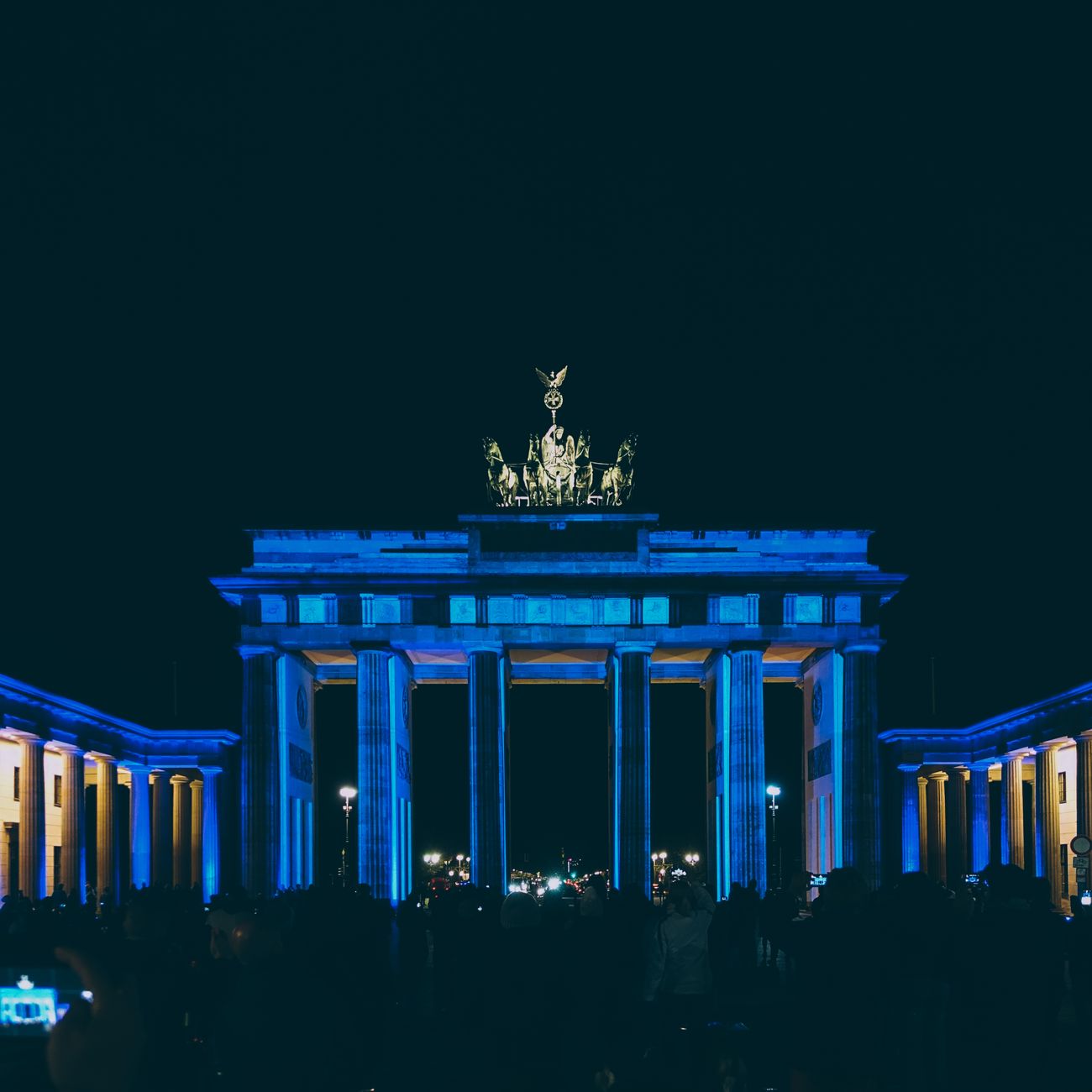
The art of illumination for architectural features is a crucial aspect of lighting design, particularly when it comes to historic monuments. It requires a deep understanding of the subject, as well as the ability to apply various techniques and principles to achieve the desired effect. In the context of historic monuments, lighting is not just about providing visibility, but also about enhancing the aesthetic appeal and highlighting the architectural features of the monument.
One of the key terms in this context is luminance, which refers to the amount of light emitted by a surface per unit area. In the case of historic monuments, it is essential to consider the luminance levels to ensure that the lighting is not too harsh or overpowering, as this can damage the monument or alter its appearance. For example, the luminance levels of the lighting used to illuminate the exterior of a historic building should be carefully calibrated to avoid causing glare or reflection that can detract from the monument's appearance.
Another important concept in illumination for architectural features is color temperature, which refers to the color appearance of light, measured in degrees Kelvin. In the context of historic monuments, it is often desirable to use lighting with a warm color temperature, as this can create a more welcoming and inviting atmosphere. For instance, the color temperature of the lighting used to illuminate a historic interior space can be adjusted to match the natural light that would have been present when the space was originally built.
The intensity of the lighting is also a critical factor in illumination for architectural features. The intensity of the lighting should be carefully controlled to avoid overwhelming the monument or creating hotspots that can be distracting. For example, the intensity of the lighting used to illuminate a historic sculpture should be adjusted to create a subtle and nuanced effect that highlights the sculpture's textures and details.
In addition to these technical considerations, it is also essential to consider the historical and cultural context of the monument when designing the lighting. This includes taking into account the original lighting conditions, as well as any traditional or cultural practices that may be relevant to the monument. For instance, the lighting design for a historic mosque should take into account the traditional use of candlelight and lanterns to create a warm and inviting atmosphere.
The type of lighting used is also an important consideration in illumination for architectural features. There are several types of lighting that can be used, including incandescent, halogen, fluorescent, and LED lighting. Each type of lighting has its own unique characteristics and advantages, and the choice of lighting will depend on the specific needs and requirements of the monument. For example, LED lighting is often preferred for historic monuments because it is energy-efficient and can be precisely controlled to create a specific effect.
The placement of the lighting is also critical in illumination for architectural features. The placement of the lighting should be carefully considered to create a balanced and harmonious effect that highlights the monument's architectural features. For instance, the placement of the lighting used to illuminate a historic facade should be adjusted to create a gradual transition from light to dark, rather than a sudden or abrupt change.
In addition to these considerations, it is also essential to consider the maintenance and upkeep of the lighting system. This includes regular cleaning and inspection of the lighting fixtures, as well as periodic replacement of lamps and other components. For example, the maintenance schedule for a historic monument's lighting system should be carefully planned to ensure that the lighting remains functional and effective over time.
The impact of lighting on the environment is also an important consideration in illumination for architectural features. This includes considering the energy consumption of the lighting system, as well as any potential effects on the local ecosystem. For instance, the energy consumption of the lighting used to illuminate a historic monument should be minimized to reduce the carbon footprint and mitigate the impact on the environment.
The role of technology in illumination for architectural features is also significant. Advances in technology have made it possible to create complex and sophisticated lighting systems that can be precisely controlled to create a specific effect. For example, the use of LED lighting and digital controls has made it possible to create dynamic and interactive lighting effects that can be programmed to change over time.
The importance of collaboration in illumination for architectural features cannot be overstated. Lighting designers, architects, and conservators must work together to create a cohesive and effective lighting design that meets the needs and requirements of the monument. For instance, the collaboration between lighting designers and architects can help to ensure that the lighting design is integrated into the overall design of the monument, rather than being an afterthought.
The challenges of illumination for architectural features are numerous and varied. One of the major challenges is balancing the need for visibility with the need to preserve the monument's integrity. For example, the challenges of illuminating a historic interior space can include minimizing the impact of lighting on the fragile materials and surfaces of the space.
Another challenge is managing the complexity of the lighting system, particularly in large and complex monuments. This can include coordinating the installation and maintenance of the lighting system, as well as managing the energy consumption and cost of the system. For instance, the challenge of illuminating a large and complex historic monument can include managing the multiple lighting systems and controls that are required to create a cohesive and effective lighting design.
The future of illumination for architectural features is likely to be shaped by advances in technology and sustainability. As new and innovative lighting technologies become available, they are likely to have a significant impact on the field of illumination for architectural features. For example, the development of new and energy-efficient lighting technologies, such as LED and organic LED lighting, is likely to transform the way that historic monuments are illuminated.
In addition to these technological advances, there is also a growing emphasis on sustainability and environmental responsibility in the field of illumination for architectural features. This includes reducing the energy consumption and carbon footprint of lighting systems, as well as minimizing the impact of lighting on the local ecosystem. For instance, the use of solar-powered and wind-powered lighting systems is becoming increasingly popular as a way to reduce the carbon footprint of historic monuments.
The application of illumination for architectural features is not limited to historic monuments, but can also be applied to modern and contemporary buildings and spaces. For example, the use of LED lighting and digital controls can be used to create dynamic and interactive lighting effects in modern and contemporary buildings, such as museums and galleries.
In practical terms, the application of illumination for architectural features can involve a range of techniques and strategies. For example, the use of layering and texture can be used to create a rich and complex visual environment, while the use of color and contrast can be used to create a bold and dramatic effect.
The benefits of illumination for architectural features are numerous and varied. For example, the use of well-designed lighting can enhance the aesthetic appeal of a historic monument, while also improving the visibility and safety of the space. In addition, the use of energy-efficient lighting technologies can reduce the energy consumption and cost of the lighting system, while also minimizing the impact on the environment.
In terms of best practices, there are several key principles that should be followed when designing and implementing illumination for architectural features. For example, the use of high-quality lighting fixtures and components is essential, as is the careful consideration of the historical and cultural context of the monument. In addition, the use of energy-efficient lighting technologies and sustainable practices is highly recommended, as is the regular maintenance and upkeep of the lighting system.
The training and education of lighting designers and professionals is also an important aspect of illumination for architectural features. This includes formal education and training programs, as well as continuing education and professional development opportunities. For example, the International Association of Lighting Designers offers a range of certification programs and training courses for lighting designers and professionals.
The resources available for illumination for architectural features are numerous and varied. For example, the Internet and online resources provide a wealth of information and guidance on lighting design and technology. In addition, there are many books and publications available on the subject, as well as conferences and workshops that provide opportunities for networking and professional development.
In terms of case studies, there are many examples of successful illumination for architectural features projects that can be studied and learned from. For example, the illumination of the Taj Mahal in India is a notable example of a successful lighting design project that has enhanced the aesthetic appeal and visibility of the monument, while also reducing the energy consumption and cost of the lighting system.
The challenges and opportunities of illumination for architectural features are numerous and varied. For example, the use of new and innovative lighting technologies provides a range of opportunities for creating dynamic and interactive lighting effects, while the need to balance the aesthetic appeal of the lighting with the functional requirements of the space provides a range of challenges that must be addressed.
In terms of future directions, the field of illumination for architectural features is likely to be shaped by advances in technology and sustainability. In addition, the growing emphasis on sustainability and environmental responsibility is likely to have a significant impact on the field of illumination for architectural features, as lighting designers and professionals seek to reduce the energy consumption and carbon footprint of lighting systems.
The importance of preservation and conservation in illumination for architectural features cannot be overstated. This includes preserving the integrity of the monument, as well as conserving the energy and resources used to illuminate the space. For example, the use of energy-efficient lighting technologies and sustainable practices can help to reduce the energy consumption and cost of the lighting system, while also minimizing the impact on the environment.
The role of lighting in enhancing the aesthetic appeal of historic monuments is also an important consideration in illumination for architectural features. This includes highlighting the architectural features of the monument, as well as creating a visually appealing and engaging environment. For example, the use of color and contrast can be used to create a bold and dramatic effect, while the use of texture and layering can be used to create a rich and complex visual environment.
The integration of lighting with other design elements, such as architecture and landscape design, is also an important consideration in illumination for architectural features. This includes coordinating the lighting with the architecture and landscape design to create a cohesive and effective design. For example, the use of outdoor lighting can be used to extend the use of the space into the evening hours, while the use of indoor lighting can be used to create a warm and inviting atmosphere.
The impact of lighting on the user experience is also an important consideration in illumination for architectural features. This includes considering the needs and preferences of the users of the space, as well as creating a visually appealing and engaging environment. For example, the use of warm and cozy lighting can be used to create a welcoming and inviting atmosphere, while the use of bright and energetic lighting can be used to create a dynamic and engaging environment.
The importance of flexibility and adaptability in illumination for architectural features cannot be overstated. This includes considering the changing needs and preferences of the users of the space, as well as creating a flexible and adaptable lighting system that can be easily modified or updated. For example, the use of smart lighting systems and controls can be used to create a flexible and adaptable lighting system that can be easily modified or updated to meet the changing needs and preferences of the users of the space.
The benefits of energy-efficient lighting in illumination for architectural features are numerous and varied. For example, the use of energy-efficient lighting technologies, such as LED and organic LED lighting, can help to reduce the energy consumption and cost of the lighting system, while also minimizing the impact on the environment. In addition, the use of energy-efficient lighting can also help to extend the life of the lighting system, as well as reduce the maintenance and upkeep requirements of the system.
The importance of maintaining and upkeeping the lighting system in illumination for architectural features cannot be overstated. This includes regular cleaning and inspection of the lighting fixtures, as well as periodic replacement of lamps and other components.
The role of technology in enhancing the aesthetic appeal of historic monuments is also an important consideration in illumination for architectural features. This includes using new and innovative lighting technologies, such as LED and organic LED lighting, to create dynamic and interactive lighting effects. For example, the use of projection mapping and video mapping can be used to create a dynamic and interactive lighting effect that enhances the aesthetic appeal of the monument.
The importance of collaboration and communication in illumination for architectural features cannot be overstated. This includes working closely with architects, engineers, and conservators to ensure that the lighting design is integrated into the overall design of the monument, as well as communicating effectively with stakeholders and users of the space to ensure that the lighting meets their needs and preferences. For example, the collaboration between lighting designers and architects can help to ensure that the lighting design is integrated into the overall design of the monument, rather than being an afterthought.
The impact of lighting on the environment is also an important consideration in illumination for architectural features. This includes considering the energy consumption and carbon footprint of the lighting system, as well as minimizing the impact on the local ecosystem. For example, the use of solar-powered and wind-powered lighting systems can help to reduce the energy consumption and carbon footprint of the lighting system, while also minimizing the impact on the local ecosystem.
The importance of preserving the integrity of historic monuments in illumination for architectural features cannot be overstated. This includes preserving the original materials and features of the monument, as well as minimizing the impact of the lighting system on the monument itself. For example, the use of non-invasive and reversible lighting technologies can help to preserve the integrity of the monument, while also minimizing the impact of the lighting system on the monument itself.
The role of lighting in creating a unique and memorable experience for users of historic monuments is also an important consideration in illumination for architectural features. This includes using creative and innovative lighting designs to enhance the aesthetic appeal of the monument, as well as creating a visually appealing and engaging environment that encourages users to explore and appreciate the monument. For example, the use of dynamic and interactive lighting effects can be used to create a unique and memorable experience for users of the monument, while also enhancing the aesthetic appeal of the monument.
For example, the use of smart lighting systems and controls can be used to create a flexible and adaptable lighting system that can be easily modified or updated to meet the changing needs and preferences of the users of the space.
Key takeaways
- In the context of historic monuments, lighting is not just about providing visibility, but also about enhancing the aesthetic appeal and highlighting the architectural features of the monument.
- In the case of historic monuments, it is essential to consider the luminance levels to ensure that the lighting is not too harsh or overpowering, as this can damage the monument or alter its appearance.
- For instance, the color temperature of the lighting used to illuminate a historic interior space can be adjusted to match the natural light that would have been present when the space was originally built.
- For example, the intensity of the lighting used to illuminate a historic sculpture should be adjusted to create a subtle and nuanced effect that highlights the sculpture's textures and details.
- For instance, the lighting design for a historic mosque should take into account the traditional use of candlelight and lanterns to create a warm and inviting atmosphere.
- For example, LED lighting is often preferred for historic monuments because it is energy-efficient and can be precisely controlled to create a specific effect.
- For instance, the placement of the lighting used to illuminate a historic facade should be adjusted to create a gradual transition from light to dark, rather than a sudden or abrupt change.