
Sustainable Lighting Solutions
LED technology has become the cornerstone of sustainable lighting in historic monuments because it combines high energy efficiency with low heat emission, allowing sensitive historic fabrics to remain stable while reducing the overall carbo…
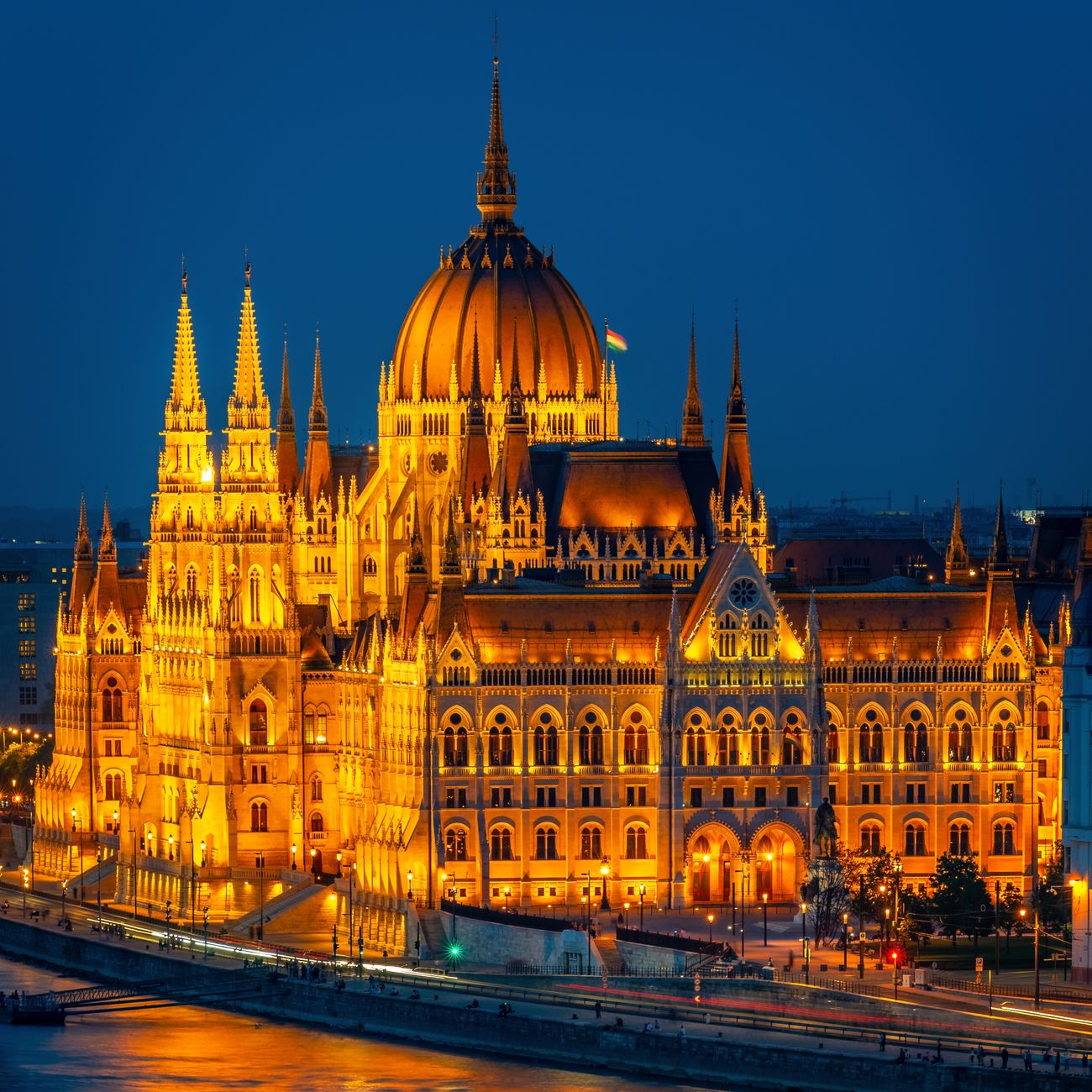
LED technology has become the cornerstone of sustainable lighting in historic monuments because it combines high energy efficiency with low heat emission, allowing sensitive historic fabrics to remain stable while reducing the overall carbon footprint. In practice, a heritage building such as a 12th‑century cathedral may employ LED downlights concealed within ornamental cornices to highlight vaulted ceilings without altering the original stonework. The low thermal output of LED fixtures mitigates the risk of thermal expansion in ancient masonry, a common challenge when retrofitting modern lighting into centuries‑old structures.
The term Color Rendering Index (CRI) measures how accurately a light source reveals the colors of objects compared with natural daylight. A high CRI, typically above 80, is essential in conservation contexts where the true hue of pigments, frescoes, and stained glass must be discernible for both scholarly analysis and visitor experience. For example, museum curators often require a CRI of 90 or higher when illuminating a Renaissance painting to ensure that subtle tonal variations are not lost. However, achieving a high CRI while maintaining low energy consumption can be challenging, as certain high‑efficiency LED modules may have reduced spectral fidelity.
Correlated Color Temperature (CCT) describes the hue of a light source on a scale from warm (around 2700 K) to cool (up to 6500 K). In historic interiors, a warm CCT is frequently chosen to emulate the warm glow of historic candlelight or oil lamps, thereby preserving the ambiance that visitors expect. Conversely, a cooler CCT may be advantageous in archival storage rooms where the goal is to minimize color shift in delicate documents. Selecting the appropriate CCT involves balancing aesthetic considerations with preservation needs; a mismatched temperature can accelerate the fading of pigments or cause visual discomfort for occupants.
The concept of Daylight Harvesting involves using sensors to adjust artificial lighting levels in response to the amount of natural daylight entering a space. In a historic cloister with large clerestory windows, daylight sensors can reduce artificial illumination during bright mornings, thereby conserving energy and reducing the cumulative light exposure on fragile frescoes. Implementing daylight harvesting requires careful calibration to avoid abrupt changes in illumination that could cause visual flicker or disrupt the perception of architectural details.
Glare is an uncomfortable visual phenomenon caused by excessive brightness contrast, and it is particularly problematic in spaces where visitors view delicate artwork. In historic monuments, glare can be mitigated through the use of indirect lighting techniques, such as wall washers or concealed cove lighting, which diffuse light evenly across surfaces. For instance, a Baroque palace may employ concealed uplights that bounce off the ceiling, providing soft, uniform illumination that reduces direct glare on ornamental plasterwork. Managing glare also involves selecting appropriate luminance levels; over‑bright fixtures can cause reflections that obscure intricate details, while under‑lighting may render decorative elements invisible.
Light Pollution refers to the excessive or misdirected artificial light that interferes with the natural night sky and can also affect the visual integrity of historic sites. In urban heritage districts, designers must consider the impact of external lighting on both the monument itself and its surrounding environment. Shielded fixtures, low‑intensity lamps, and directional lighting can help mitigate light spill, preserving the nocturnal character of historic streetscapes. A practical example is the use of dark‑sky compliant luminaires on the exterior of a medieval fortress, which illuminate the walls without scattering light into the surrounding night sky, thereby protecting both the monument and nearby residential areas.
The term Energy Efficiency quantifies the ratio of useful light output (lumens) to electrical power consumed (watts). In the context of historic preservation, high energy efficiency is pursued not only to reduce operational costs but also to limit the heat load introduced to temperature‑sensitive structures. For example, replacing a legacy incandescent chandelier with a LED replica can cut energy use by up to 80 %, while simultaneously decreasing the thermal stress on adjacent wooden beams and plaster. Energy‑efficient solutions must also comply with heritage guidelines that dictate the visual authenticity of fixtures; therefore, designers often employ custom‑fabricated housings that replicate historic aesthetics while housing modern, efficient light sources.
Photometric data, including luminous intensity distribution, is essential for accurately modeling how light will interact with historic interiors. Software tools that process photometric files enable designers to simulate illumination levels on three‑dimensional models of monuments, ensuring that light reaches every critical surface without creating hotspots or shadows. In a complex historic theater, photometric analysis can reveal that a single chandelier creates uneven illumination across the stage, prompting the addition of auxiliary spotlights strategically placed to balance the lighting while respecting the building’s architectural integrity.
Luminance measures the brightness of a surface as perceived by the human eye, expressed in candela per square meter (cd/m²). Maintaining appropriate luminance levels is crucial for preserving the legibility of inscriptions and decorative motifs. For instance, an ancient stone inscription may require a luminance of 120 cd/m² to be read comfortably, whereas surrounding wall surfaces might be illuminated at 80 cd/m² to avoid visual competition. Balancing these levels involves selecting fixtures with adjustable output and employing dimming controls that can be fine‑tuned based on visitor traffic and time of day.
The concept of Adaptive Controls encompasses a range of technologies—such as occupancy sensors, time schedules, and daylight dimming—that automatically modify lighting conditions in response to real‑time environmental data. In a historic library, occupancy sensors can switch off reading lamps in unoccupied study rooms, conserving energy and reducing cumulative light exposure on rare manuscripts. Adaptive controls must be designed to avoid abrupt changes that could distract visitors; smooth dimming curves and gradual transitions are preferred to maintain a consistent visual experience.
Occupancy Sensors detect the presence of people within a defined area and activate or deactivate lighting accordingly. In heritage sites with variable visitor flow, such as a medieval market hall, occupancy sensors can be programmed to maintain low-level illumination during periods of inactivity, then ramp up to full illumination when guests enter. The challenge lies in calibrating sensor sensitivity to avoid false triggers caused by moving shadows or the presence of stationary artifacts. Proper placement—typically at entry points and strategic interior zones—ensures reliable operation without compromising the historic fabric.
Daylight itself is a valuable natural resource that can be harnessed to reduce reliance on artificial lighting. Architectural features such as clerestory windows, skylights, and light wells are integral to many historic structures, providing ample daylight that can be amplified with reflective surfaces or light‑pipe systems. In a Romanesque basilica, light‑pipes may channel daylight from a high dome to lower aisles, illuminating the nave while preserving the original stone vaults. However, excessive daylight can cause UV‑induced degradation of pigments; therefore, UV‑filtering glazing and controlled shading devices are often employed to balance illumination with conservation.
Solar Powered Lighting offers an off‑grid solution for exterior illumination of historic monuments, particularly in remote locations where extending electrical infrastructure could be invasive. Solar panels can be discreetly mounted on non‑visible roof sections, feeding battery‑storage systems that power low‑intensity LED uplights at night. A case study from a coastal lighthouse demonstrates how solar lighting reduced operational costs by 70 % while maintaining the historic lantern’s visual prominence. The main challenges include ensuring adequate battery capacity during prolonged cloudy periods and preventing visual intrusion of solar panels on the monument’s historic silhouette.
Low Voltage Systems operate at reduced electrical potentials (typically 12 V or 24 V) to enhance safety and simplify wiring in heritage contexts where invasive conduit installation is prohibited. Low‑voltage LED strip lights can be installed within existing mouldings, providing flexible illumination without the need for heavy gauge wiring that could damage delicate plaster. The trade‑off is that low‑voltage systems may experience greater voltage drop over long runs, necessitating careful planning of power distribution and the use of quality transformers to maintain consistent light output.
Fiber Optic Lighting transmits light from a remote source through flexible optical fibers, delivering illumination to delicate areas without generating heat at the point of light. In a historic fresco chamber, a fiber‑optic system can position the light source several meters away, ensuring that the illuminated surface receives only the desired photons, while the surrounding environment remains unaffected by heat. Fiber optics also enable precise control of light direction and intensity, making them ideal for highlighting specific iconographic details. The primary limitation is the cost of fiber‑optic components and the need for regular cleaning of fiber ends to prevent light loss.
Induction Lighting utilizes electromagnetic fields to produce light without filaments or electrodes, offering long lifespans and stable color output. Though less common than LED, induction lamps can be advantageous in historic settings where fixture replacement cycles must be minimized. For instance, an induction lamp installed in a historic clock tower can operate for up to 100 000 hours, reducing the frequency of maintenance visits that could disturb the building’s fabric. However, induction lighting typically requires higher operating voltages and larger ballast units, which may be difficult to conceal within constrained historic spaces.
Halogen and Incandescent technologies have historically been used in heritage lighting due to their warm color quality and simple dimming capabilities. While they provide excellent color rendering, their low energy efficiency and high heat output make them unsuitable for sustainable solutions. Modern retrofits often replace these sources with high‑CRI LED equivalents that mimic the warm tone of halogen while dramatically reducing power consumption and thermal impact. The transition must be managed carefully to preserve the visual character of historic interiors; in some cases, custom‑tuned LED spectra are employed to replicate the exact hue of original incandescent fixtures.
Fluorescent lighting offers moderate efficiency and a broader spectrum than incandescent, but it suffers from flicker and lower CRI, which can be detrimental to the perception of fine art. In heritage libraries, fluorescent tubes may be used to provide general illumination, but they are typically supplemented with task lighting that offers higher CRI and more stable output. The presence of mercury in fluorescent lamps also raises environmental concerns, prompting many institutions to phase out this technology in favor of mercury‑free LED solutions.
Metal Halide and High‑Pressure Sodium lamps deliver high luminous efficacy and are often employed for exterior floodlighting of monuments. Their intense, directional beams can accentuate architectural features at night, yet they emit a narrow spectral band that can distort color perception and contribute to light pollution. When used in historic contexts, these lamps are frequently paired with filters or secondary optics to soften the output and limit spill. The challenge lies in balancing the dramatic visual impact desired for tourism with the preservation imperative to limit photochemical damage to stone and metal surfaces.
Color Temperature and CRI are interrelated terms that together define the visual quality of a light source. A light source with a high CRI but an inappropriate color temperature may still appear unsuitable for a historic setting. For example, a 5000 K light with a CRI of 95 may provide excellent color fidelity but could impart an unnaturally cool appearance to a medieval chapel originally illuminated by candlelight. Therefore, designers must evaluate both parameters concurrently, often selecting a warm‑white (2700‑3000 K) LED with a CRI of 90+ to achieve both accurate color rendering and authentic ambience.
Reversible Installation is a principle of heritage conservation that dictates that any new lighting interventions should be removable without causing permanent damage to the original fabric. This concept drives the use of non‑invasive mounting methods such as adhesive‑backed brackets, removable clips, or tension‑based rail systems. In a historic palace, a reversible LED chandelier may be hung from an existing ceiling beam using a concealed steel cable, allowing future conservators to detach the fixture without altering the historic plaster. The key challenge is ensuring that reversible solutions still meet performance criteria for illumination and energy efficiency.
Non‑Invasive Mounting techniques include the use of existing architectural features—such as cornices, moldings, and niche recesses—to house lighting fixtures without drilling or anchoring into original stone or wood. For instance, a surface‑mounted LED wall washer can be affixed to a reversible bracket that rests on a stone ledge, preserving the integrity of the wall. These methods often require custom‑fabricated hardware to accommodate irregular historic profiles, increasing project complexity but safeguarding the monument’s fabric.
Light Scattering refers to the diffusion of light as it interacts with surface textures, which can be exploited to create soft, even illumination in historic interiors. Materials such as frosted glass, translucent stone, or diffusive plaster can be employed to scatter light from concealed sources, reducing glare and highlighting three‑dimensional details. In a Renaissance frescoed dome, indirect lighting placed behind a translucent plaster layer can create a uniform glow that accentuates the painted narrative without casting harsh shadows. Designers must consider the scattering properties of each material, as excessive diffusion can diminish contrast and obscure fine details.
Reflectance is the proportion of incident light that a surface reflects, influencing both visual perception and energy performance. Historic surfaces often have varying reflectance values; polished marble may reflect up to 80 %, while aged brick may reflect as little as 20 %. Accurate measurement of reflectance allows designers to calculate required lumen output for a given illumination level, preventing over‑lighting that could accelerate material degradation. For example, a low‑reflectance stone floor may necessitate higher lumen fixtures to achieve a target lux level, whereas a high‑reflectance ceiling may require fewer lumens to avoid excessive brightness.
Material Aging describes the progressive changes in the physical and chemical properties of historic materials caused by environmental factors such as light, temperature, humidity, and pollutants. Light exposure can cause fading of pigments, discoloration of wood, and degradation of varnishes. Sustainable lighting strategies aim to minimize cumulative light exposure (measured in lux‑hours) to slow these aging processes. In practice, lighting designers may set a maximum lux‑hour budget for a particular artwork, employing dimming schedules and sensor‑based controls to keep exposure within acceptable limits over the lifespan of the monument.
UV Radiation is a high‑energy component of natural and artificial light that can cause photochemical reactions leading to the breakdown of organic materials. Historic textiles, paper, and pigments are especially vulnerable to UV damage. To protect these assets, lighting solutions often incorporate UV‑blocking filters or use light sources that inherently emit negligible UV, such as LED modules with built‑in phosphor coatings. For exterior lighting, low‑UV floodlights are selected to illuminate stone façades without accelerating stone weathering. The challenge lies in balancing UV protection with maintaining sufficient illumination for visual appreciation.
Photocatalytic coatings have emerged as a sustainable method for reducing surface pollutants on historic stone by using light‑activated chemical reactions. When illuminated by appropriate wavelengths—often in the blue‑green region—these coatings can break down organic grime, helping to preserve the stone’s aesthetic. Integrating photocatalytic surfaces into lighting design requires selecting light sources that emit the necessary spectral range while avoiding excessive intensity that could damage the substrate. Practical applications include installing LED panels that double as both illumination and activation sources for the coating, creating a synergistic preservation strategy.
Energy Star certification denotes products that meet stringent energy efficiency criteria set by governmental agencies. Selecting Energy Star-rated fixtures for historic lighting upgrades ensures that the chosen technologies deliver high performance with minimal power consumption. However, not all Energy Star products are suitable for heritage settings; some may have a spectral output that does not align with conservation requirements. Therefore, a thorough review of both energy specifications and lighting quality is essential before procurement.
Passive Design principles aim to reduce energy demand through architectural features that naturally regulate temperature, daylight, and ventilation. Historic buildings often embody passive design concepts—thick masonry walls, high ceilings, and strategically placed openings—that can be leveraged in sustainable lighting plans. For instance, a historic manor with deep‑set windows may use interior light shelves to reflect daylight deeper into rooms, diminishing the need for artificial lighting during daylight hours. Integrating modern lighting with these passive elements requires careful coordination to avoid disrupting the building’s original thermal performance.
Thermal Load refers to the heat generated by lighting fixtures, which can affect the internal climate of a historic structure. High thermal loads increase cooling requirements, leading to higher energy consumption and potential stress on temperature‑sensitive artifacts. LED lighting’s low thermal output is particularly advantageous in this regard, as it reduces the additional heat that must be managed by HVAC systems. In a historic opera house, replacing high‑wattage incandescent stage lights with low‑heat LED alternatives helped maintain stable temperature conditions, preserving both the audience’s comfort and the integrity of elaborate stage scenery.
Heat Gain from lighting can cause expansion and contraction cycles in historic materials, especially wood and plaster, leading to micro‑cracking over time. By selecting fixtures with low heat emission and employing heat‑sink designs, designers can mitigate this risk. For example, a heritage museum may install recessed LED downlights with built‑in heat‑dissipation fins to ensure that the surrounding display cases do not experience temperature spikes that could accelerate the degradation of sensitive objects.
Light Trespass occurs when illumination intended for a specific area spills into adjacent spaces, causing visual discomfort or disrupting the ambience of neighboring historic zones. In dense historic districts, careful fixture orientation and the use of shields can prevent light trespass from a brightly lit commercial storefront encroaching on a nearby medieval courtyard. Solutions include installing baffles that restrict the beam angle to the intended target area, thereby preserving the nocturnal character of the heritage site.
Light Pollution Mitigation strategies aim to reduce the ecological and visual impact of artificial lighting on both human observers and wildlife. In the context of heritage sites, mitigation includes using directional lighting, selecting appropriate CCT values (often warmer tones), and limiting illumination duration. For a historic lighthouse located within a protected coastal reserve, lighting designers employed a programmable schedule that turned off the beacon during migratory bird seasons, demonstrating a balance between heritage visibility and environmental stewardship.
Smart Lighting systems integrate sensors, networking, and cloud‑based management platforms to dynamically adjust illumination based on occupancy, daylight levels, and predefined preservation parameters. In a large historic palace, a smart lighting network can coordinate hundreds of LED fixtures, ensuring that each gallery receives optimal illumination while automatically dimming non‑essential areas during low‑traffic periods. The benefits include reduced energy consumption, extended fixture lifespan, and the ability to collect data on lighting performance for ongoing conservation analysis. Challenges involve ensuring cybersecurity for networked devices and maintaining system compatibility with heritage documentation standards.
Integrated Lighting Management System (ILMS) provides a centralized interface for monitoring and controlling all lighting components within a historic site. An ILMS can schedule lighting scenes that replicate historical lighting conditions for special events, while simultaneously enforcing conservation limits on total lux‑hour exposure. For example, a historic theater may have a “period‑accurate” scene that dims lights to 30 lux to emulate 19th‑century performances, and a “conservation” scene that limits exposure to protect stained‑glass windows. The system’s data logging capabilities enable curators to track cumulative light exposure over time, informing future preservation strategies.
Conservation in the lighting context involves protecting historic materials from adverse effects caused by light, heat, and environmental changes. Sustainable lighting solutions are inherently aligned with conservation objectives, as they reduce energy use, minimize heat production, and allow precise control over illumination levels. A comprehensive conservation plan typically includes a lighting audit, identification of vulnerable assets, specification of appropriate light sources, and implementation of control strategies that limit exposure. Continuous monitoring and periodic reassessment are essential to adapt to changing conditions, such as visitor patterns or climate variations.
Reversible approaches also extend to the selection of lamp types that can be swapped without altering the fixture’s original appearance. For instance, a historic chandelier originally designed for candles can be fitted with a discreet LED retrofit module that mimics the flicker of flame, allowing the lighting aesthetic to be updated while preserving the ability to revert to a more traditional illumination method if required. The reversible nature of such interventions supports future research and interpretation, ensuring that the lighting solution does not become a permanent alteration to the historic artifact.
Non‑Linear Dimming curves are employed to achieve smooth transitions in illumination intensity, avoiding abrupt changes that can be jarring to viewers and potentially cause visual fatigue. In heritage spaces where the lighting narrative is part of the visitor experience, non‑linear dimming can be programmed to gradually increase brightness as a guest moves from a dimly lit entry hall into a brightly illuminated gallery, enhancing the sense of progression. Implementing such curves requires compatible dimmer hardware and control software capable of mapping user‑defined transition profiles.
Colour Consistency is crucial when multiple fixtures are used across a historic site, ensuring that the light emitted from each source appears uniform. Variations in CCT or CRI among fixtures can create visual discontinuities that distract from the architectural context. To maintain colour consistency, designers often source fixtures from a single manufacturer and specify tight tolerances for spectral output. In practice, a historic museum may perform on‑site photometric verification after installation to confirm that all fixtures meet the specified colour standards before the exhibit opens to the public.
Light Level Mapping involves creating a detailed plan that outlines the target illumination values (lux) for each functional area within a historic monument. This map guides the selection and placement of fixtures, ensuring that critical surfaces receive sufficient light while non‑essential zones are kept at lower levels to conserve energy. For example, a light level map for a 16th‑century palace may designate 200 lux for portrait rooms, 150 lux for corridors, and 50 lux for storage areas. By adhering to this map, designers can achieve a balanced lighting scheme that respects both visitor needs and preservation constraints.
Illuminance Uniformity measures the evenness of light distribution across a surface, expressed as a ratio of minimum to average illuminance. High uniformity (typically above 0.8) Is desirable in exhibition spaces to prevent hotspots that draw attention away from displayed objects. Achieving uniformity in historic interiors often requires the use of diffusers, indirect lighting, and careful fixture spacing. In a historic gallery with ornate plasterwork, diffused wall washers positioned at calculated intervals can provide a consistent luminance that highlights decorative details without creating bright patches.
Light Distribution patterns—such as narrow‑beam, wide‑beam, or asymmetric optics—are selected based on the geometry of the space and the specific lighting goals. In a vaulted historic nave, wide‑beam fixtures may be employed to blanket the ceiling evenly, while narrow‑beam spotlights can be directed at focal points like altar pieces. Understanding the interplay between beam angle and fixture placement is essential for optimizing both aesthetic impact and energy efficiency.
Spectral Power Distribution (SPD) describes the intensity of light emitted at each wavelength, influencing both colour rendering and potential material degradation. A well‑designed SPD for heritage lighting will emphasize wavelengths that enhance visual clarity while minimizing those that accelerate fading, such as high‑energy blue light. Custom‑tuned LED modules can be engineered to provide a balanced SPD that meets these dual objectives, offering a practical solution for sensitive environments like archival storage rooms.
Glare Control techniques include the use of louvers, baffles, and diffusers to limit direct view of light sources. In historic settings where original ornamental fixtures are preserved, modern glare‑control accessories can be integrated discreetly, preserving the visual integrity of the heritage element while improving visual comfort. For example, a historic ballroom may retain its crystal chandelier, but a low‑profile diffuser placed above the fixture can soften the emitted light, reducing glare without altering the chandelier’s appearance.
Energy Consumption Monitoring involves tracking the kilowatt‑hour usage of lighting systems over time, providing data that can be used to benchmark performance, identify inefficiencies, and inform future upgrades. In a heritage site, energy monitoring dashboards can be linked to the ILMS, allowing facility managers to see real‑time consumption and adjust schedules or dimming settings accordingly. This proactive approach supports sustainability goals and can uncover hidden savings, such as reducing illumination during low‑traffic periods without compromising visitor experience.
Lifecycle Cost Analysis (LCCA) evaluates the total cost of ownership for lighting solutions, accounting for acquisition, installation, operation, maintenance, and disposal. For historic monuments, LCCA helps justify the higher upfront investment in high‑quality LED fixtures that offer longer lifespans and lower energy use compared to legacy technologies. By projecting cost savings over a 20‑year horizon, stakeholders can demonstrate the financial viability of sustainable lighting upgrades while preserving the monument’s authenticity.
Heat Dissipation is a critical design consideration for high‑power LED fixtures, as inadequate cooling can reduce luminous efficacy and shorten component life. In heritage applications, heat sinks must be concealed or integrated into existing architectural elements to avoid visual intrusion. For instance, a concealed LED uplight may incorporate a thin aluminum heat sink that blends with a historic stone cornice, providing effective thermal management without altering the visual character of the façade.
Light Colour Temperature Tuning allows designers to fine‑adjust the perceived warmth or coolness of illumination, facilitating the recreation of historical lighting conditions. Tunable white LED systems can shift between 2700 K and 5000 K, enabling dynamic lighting scenarios that reflect different periods of a monument’s history. A historic theater might employ a warm setting for performances reminiscent of the 19th century, then switch to a cooler tone for contemporary exhibitions, offering flexibility while maintaining energy efficiency.
UV‑Free Lighting eliminates ultraviolet emissions, protecting light‑sensitive materials from photodegradation. Modern LED modules are inherently UV‑free, making them ideal for illuminating textiles, manuscripts, and paintings. In a heritage archive, installing UV‑free LED worklights ensures that conservators can perform detailed examinations without exposing the collections to harmful radiation. The challenge lies in ensuring that the selected fixtures also meet other performance criteria such as CRI and dimming capability.
Light‑Sensitive Area Zoning divides a historic space into zones based on the vulnerability of the materials within each zone. High‑sensitivity zones—such as rooms containing ancient tapestries—receive lower lux levels and stricter exposure limits, while lower‑sensitivity zones—like open courtyards—may be illuminated more brightly. Zoning enables targeted control strategies, such as applying stricter dimming schedules or more frequent sensor‑based adjustments in the most vulnerable areas.
Preservation‑Oriented Lighting Design adopts a holistic approach that aligns lighting objectives with the broader goals of cultural heritage conservation. This methodology involves interdisciplinary collaboration among lighting designers, conservators, architects, and curators to develop solutions that respect both aesthetic and preservation imperatives. In practice, a preservation‑oriented project might begin with a detailed condition assessment of artworks, followed by the selection of lighting technologies that minimize cumulative light exposure while delivering the desired visual experience.
Lighting Control Protocols such as DALI (Digital Addressable Lighting Interface), DMX, and BACnet provide standardized communication methods for integrating fixtures, sensors, and control systems. Selecting an appropriate protocol is essential for ensuring interoperability and future‑proofing the lighting infrastructure. In a large historic complex, DALI can be used to address each fixture individually, allowing precise dimming and scheduling, whereas DMX may be preferred for stage lighting where rapid cue changes are required. Understanding the strengths and limitations of each protocol informs the design of a robust, scalable lighting system.
Adaptive Daylight Controls adjust artificial lighting levels based on real‑time measurements of natural daylight, maintaining consistent illuminance while reducing energy use. Sensors placed near historic windows feed data to the control system, which then modulates the output of nearby fixtures. In a heritage museum with a skylight, adaptive daylight controls can lower the intensity of ceiling LED panels as sunlight increases, thereby protecting light‑sensitive artworks from over‑exposure. Calibration is critical to avoid abrupt changes that could distract visitors or cause visual discomfort.
Occupant‑Centric Lighting focuses on the visual comfort and wellbeing of people using a space, taking into account factors such as visual acuity, circadian rhythms, and task requirements. In historic public buildings, occupant‑centric lighting must be balanced with preservation constraints. For example, a historic courthouse may incorporate adjustable task lighting at workstations, allowing staff to increase illumination for reading while keeping the overall ambient level low to protect decorative wall panels. This approach enhances usability without compromising the monument’s integrity.
Light‑Sensitive Artifact Protection strategies include the use of protective glazing, UV‑filtering films, and controlled exposure schedules. Lighting design works in concert with these protective measures, ensuring that illumination does not exceed the allowable lux‑hour budget for each artifact. In a historic gallery displaying 17th‑century textiles, a combination of low‑UV LED lighting, protective acrylic glazing, and timed dimming cycles can extend the lifespan of the textiles while providing visitors with a clear view of the fabrics.
Heat‑Sensitive Material Considerations address the vulnerability of objects that can be damaged by temperature fluctuations, such as parchment documents or wooden sculptures. Low‑heat lighting solutions—particularly LED fixtures with high efficacy—help maintain stable ambient temperatures, reducing the need for active cooling systems that could introduce additional humidity or airflow changes. In a historic archive, replacing high‑heat incandescent bulbs with low‑heat LED panels contributed to a measurable reduction in ambient temperature variance, thereby protecting the collection from thermal stress.
Dynamic Lighting Scenarios enable the recreation of different historical lighting conditions for interpretive purposes. By programming lighting scenes that emulate candlelight, gas illumination, or early electric lighting, heritage sites can provide immersive experiences that educate visitors about the evolution of illumination technology. Implementing dynamic scenarios requires fixtures capable of rapid colour temperature shifts and dimming, as well as control software that can store and recall multiple lighting presets. The challenge lies in ensuring that each scenario remains within preservation limits for cumulative light exposure.
Light Pollution Impact Assessment evaluates how a proposed lighting scheme will affect the surrounding night sky and local ecosystems. For historic monuments located within or near protected natural areas, impact assessments guide the selection of fixture types, shielding, and CCT values that minimize adverse effects. In a coastal heritage site, the assessment recommended the use of fully shielded fixtures with a warm CCT and a reduced lumen output to preserve both the nightscape and marine wildlife.
Renewable Energy Integration involves pairing sustainable lighting solutions with on‑site renewable sources such as photovoltaic panels or wind turbines. In remote historic sites where grid connection is impractical or undesirable, renewable integration can provide a self‑sustaining power supply for lighting. A mountain monastery, for example, installed solar panels on a discreet roof extension, feeding battery‑backed LED uplights that illuminate the building at night without external power lines. The design must account for seasonal variation in renewable generation and incorporate sufficient storage capacity to maintain illumination during prolonged periods of low generation.
Maintenance Accessibility is a practical consideration ensuring that lighting fixtures can be serviced without damaging historic fabric. Designing fixtures with quick‑release mechanisms, modular components, and clear labeling simplifies routine maintenance. In a centuries‑old palace, a maintenance plan may specify that all uplights be reachable via a removable panel that does not require cutting into original plaster, preserving the integrity of the historic surface while allowing efficient servicing.
Lifecycle Environmental Impact assesses the overall ecological footprint of lighting solutions, from material extraction through manufacturing, operation, and disposal. Selecting fixtures with recyclable components, low‑toxicity materials, and high energy efficiency reduces the environmental burden associated with heritage lighting. For instance, a historic museum may opt for LED modules constructed from aluminum and glass, both of which are highly recyclable, thereby aligning the project with broader sustainability objectives beyond energy savings alone.
Color Shift Over Time describes the gradual change in perceived colour of a light source as it ages, which can affect the visual consistency of historic displays. High‑quality LED fixtures are engineered to maintain stable colour output over their lifespan, minimizing this effect. In cases where colour shift is anticipated, lighting designers may schedule periodic recalibration or replacement of fixtures to ensure that the illumination remains faithful to the intended aesthetic.
Non‑Linear Spectral Distribution refers to light sources that emit unevenly across the visible spectrum, potentially emphasizing certain colours while suppressing others. For heritage lighting, a balanced spectral distribution is preferred to avoid colour bias that could misrepresent artworks. Custom‑engineered LED arrays can be tuned to provide a more uniform spectral output, supporting accurate colour reproduction in galleries displaying mixed media collections.
Integrated Photovoltaic Shading combines shading devices with solar cells, providing both daylight control and renewable energy generation. In a historic courtyard, a photovoltaic canopy can reduce solar glare while feeding power to nearby LED accent lights. This dual‑function solution respects the historic context by integrating modern technology subtly, yet it requires careful design to ensure that the visual impact of the canopy does not detract from the monument’s authenticity.
Preservation‑Friendly Control Interfaces are designed to be intuitive for conservators and facility staff, often featuring touchscreens with clear visual cues, preset lighting scenes, and direct access to exposure monitoring data. User‑friendly interfaces reduce the risk of accidental misconfiguration that could lead to over‑exposure or unnecessary energy waste. In a historic monastery, a dedicated control panel located in the caretaker’s office allows staff to adjust lighting levels quickly while displaying real‑time lux readings for each protected area.
Thermal Insulation Compatibility ensures that lighting installations do not compromise existing insulation materials, which may be integral to the building’s historic fabric. For instance, installing high‑heat fixtures within a stone wall could cause condensation on interior surfaces, leading to moisture‑related deterioration. Low‑heat LED solutions, combined with proper sealing, preserve the thermal envelope of the structure while delivering the required illumination.
Acoustic Considerations are relevant when lighting fixtures incorporate fans or transformers that produce audible noise, potentially affecting the acoustic environment of historic spaces such as concert halls or libraries. Silent or low‑noise lighting technologies are preferred to maintain the auditory integrity of these venues. In a historic opera house, silent LED downlights were selected to avoid interfering with the natural reverberation characteristics essential to the performance experience.
Fire Safety Compliance must be addressed when integrating modern lighting into historic buildings, ensuring that fixtures meet fire rating standards and do not introduce ignition sources. Low‑heat LED technologies inherently reduce fire risk, but proper installation practices—such as using fire‑rated cables and mounting hardware—remain essential.
Key takeaways
- In practice, a heritage building such as a 12th‑century cathedral may employ LED downlights concealed within ornamental cornices to highlight vaulted ceilings without altering the original stonework.
- A high CRI, typically above 80, is essential in conservation contexts where the true hue of pigments, frescoes, and stained glass must be discernible for both scholarly analysis and visitor experience.
- Selecting the appropriate CCT involves balancing aesthetic considerations with preservation needs; a mismatched temperature can accelerate the fading of pigments or cause visual discomfort for occupants.
- In a historic cloister with large clerestory windows, daylight sensors can reduce artificial illumination during bright mornings, thereby conserving energy and reducing the cumulative light exposure on fragile frescoes.
- Managing glare also involves selecting appropriate luminance levels; over‑bright fixtures can cause reflections that obscure intricate details, while under‑lighting may render decorative elements invisible.
- Light Pollution refers to the excessive or misdirected artificial light that interferes with the natural night sky and can also affect the visual integrity of historic sites.
- For example, replacing a legacy incandescent chandelier with a LED replica can cut energy use by up to 80 %, while simultaneously decreasing the thermal stress on adjacent wooden beams and plaster.