
Lighting Technology And Applications
Luminous flux represents the total amount of visible light emitted by a source, measured in lumens. In historic monument lighting, understanding the luminous flux of a fixture is essential for achieving the desired illumination level withou…
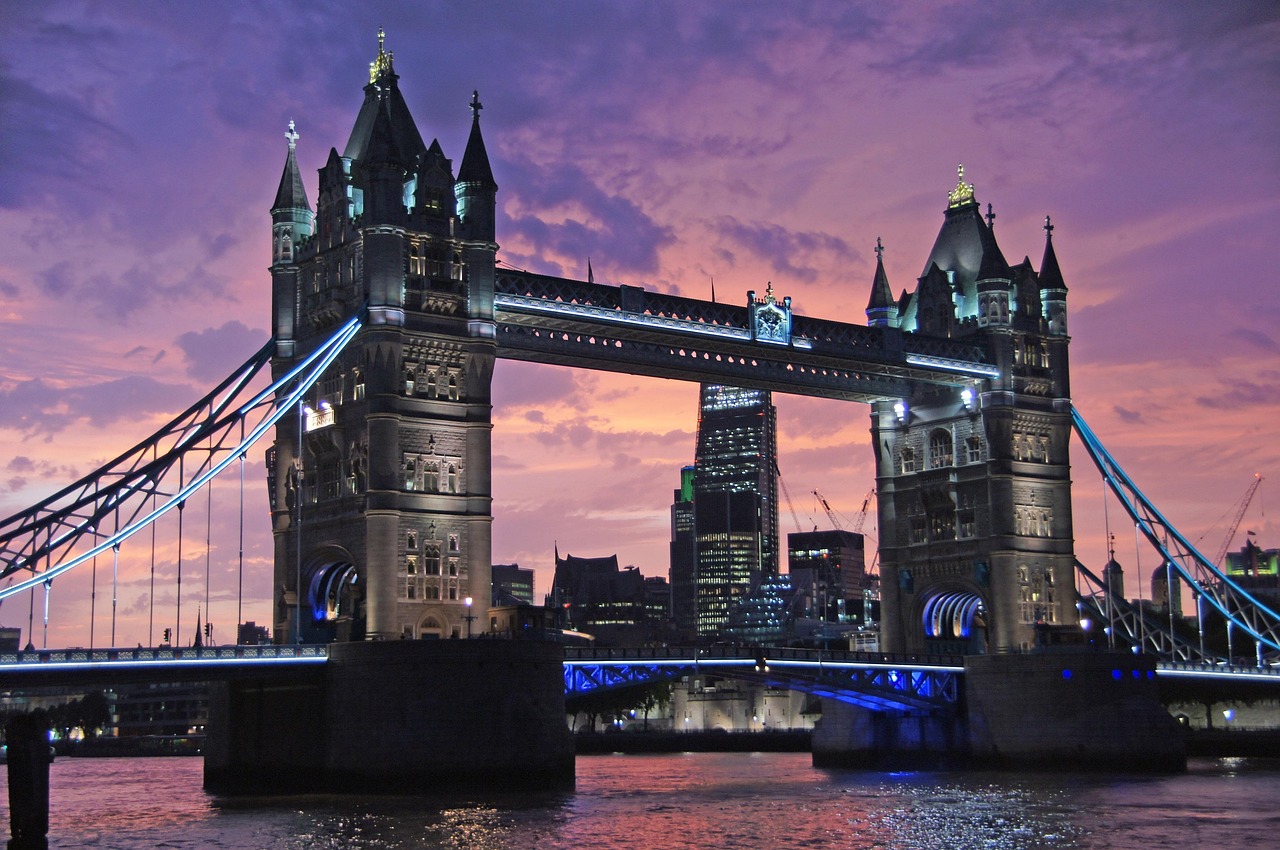
Luminous flux represents the total amount of visible light emitted by a source, measured in lumens. In historic monument lighting, understanding the luminous flux of a fixture is essential for achieving the desired illumination level without over‑exposing sensitive surfaces. For example, a low‑output LED with 800 lumens may be suitable for a small chapel, while a larger courtyard might require a fixture delivering 5,000 lumens. Selecting the appropriate flux helps maintain visual clarity while limiting cumulative light exposure that can cause fading of frescoes or textiles.
Luminous intensity describes the concentration of light in a particular direction, expressed in candelas. It is a critical parameter when designing accent lighting for architectural details such as stone carvings or brass fittings. A spotlight with a high luminous intensity can highlight a niche without illuminating surrounding areas, thereby reducing stray light that could affect adjacent artifacts. Designers must balance intensity with beam spread to avoid glare and to preserve the material integrity of delicate surfaces.
Illuminance is the amount of luminous flux incident on a surface per unit area, measured in lux. Historic interiors often require specific illuminance levels to ensure legibility of inscriptions while protecting pigments. For instance, a museum may target 150 lux on a painted panel, whereas a stone monument might be limited to 50 lux to prevent photochemical damage. Accurate measurement of illuminance using calibrated lux meters allows conservators to verify that lighting installations comply with preservation guidelines.
Luminance refers to the brightness of a surface as perceived by the human eye, expressed in candela per square meter. When lighting historic monuments, the luminance of the illuminated surface must be sufficient for visual appreciation but not so high as to cause glare. A well‑designed lighting scheme will maintain a uniform luminance across a fresco, ensuring that details are visible from various viewing angles while avoiding hotspots that could lead to localized heating or pigment degradation.
Color rendering index (CRI) quantifies how accurately a light source reveals the colors of an object compared to a reference source, on a scale of 0 to 100. In heritage contexts, a high CRI (typically above 90) is preferred for displaying artworks, as it preserves the true hues of pigments and materials. For example, an LED with a CRI of 95 will render the reds of a medieval tapestry more faithfully than a lower‑CRI fluorescent lamp, which might shift colors toward a cooler hue and misrepresent the artist’s intent.
Correlated color temperature (CCT) indicates the hue of a light source, measured in kelvins. Warm‑white lighting (around 2,700–3,000 K) is often chosen for historic interiors to evoke the ambience of traditional candlelight, while cooler temperatures (5,000–6,500 K) may be used for conservation work where accurate color discrimination is required. Selecting an appropriate CCT helps align the lighting with the period character of the monument and the functional needs of the space.
Spectral power distribution (SPD) maps the intensity of light across the visible spectrum. Understanding SPD is vital for assessing potential damage to light‑sensitive materials. For instance, an SPD with a high peak in the blue‑violet region can accelerate fading of organic pigments, whereas a narrow‑band SPD that minimizes UV and IR components reduces the risk of photodegradation. Lighting designers often consult SPD charts to select sources that balance visual performance with conservation safety.
LED (light‑emitting diode) technology dominates modern heritage lighting due to its high efficacy, long lifespan, and low heat output. LEDs can be tuned to specific CCTs and CRIs, making them adaptable to diverse historic settings. However, the rapid development of LED products means that long‑term maintenance planning must consider potential obsolescence and the need for future retrofits. An LED fixture with a 50,000‑hour rated life may still require replacement after 15 years due to changes in lighting standards or aesthetic preferences.
OLED (organic light‑emitting diode) offers ultra‑thin panels capable of providing uniform, diffuse illumination. While still emerging in the heritage field, OLEDs can be integrated into display cases or recessed into walls for subtle backlighting of artifacts. Their low operating temperature is advantageous for delicate objects, yet their lower luminous efficacy compared with LEDs may necessitate higher power consumption for equivalent illumination levels.
HID (high‑intensity discharge) lamps, such as metal‑halide or high‑pressure sodium, have historically been used for large‑scale outdoor illumination of monuments. Their high luminous output and good color rendering can be beneficial for illuminating expansive façades. Nevertheless, HID lamps produce significant heat and contain hazardous substances like mercury, making them less suitable for close‑range applications where thermal impact on stone or metal is a concern.
Incandescent sources generate light by heating a filament, resulting in a warm spectrum with high IR content. Although they provide excellent color rendering, their low efficacy (≈15 lm/W) and high heat output limit their use in heritage environments. Incandescent lamps may still be employed in replica historic settings where authenticity of light quality is paramount, but they must be carefully managed to prevent thermal stress on surrounding materials.
Halogen lamps are a variant of incandescent technology that use halogen gas to extend filament life and improve light output. They emit a bright, white light with a relatively high CRI, making them useful for accent lighting of sculptures. However, halogen lamps also produce considerable heat and UV radiation, requiring the use of filters or protective glazing to safeguard adjacent surfaces from thermal and photochemical damage.
Fluorescent lighting, including compact fluorescent lamps (CFLs), offers moderate efficacy and a broad, diffused light output. While they have been widely adopted in museum settings, fluorescent lamps can exhibit flicker and lower CRI values, potentially affecting the perception of fine details. Modern linear fluorescent fixtures equipped with electronic ballasts mitigate flicker, but their spectral distribution often peaks in the green‑yellow region, which may not be optimal for rendering the full palette of historic pigments.
Glare is the discomfort or visual impairment caused by excessive brightness or high contrast between light and dark areas. In heritage lighting, glare can obscure architectural features and detract from the visitor experience. Controlling glare involves selecting appropriate beam angles, using diffusers, and positioning fixtures to avoid direct line‑of‑sight exposure. For instance, a recessed uplight with a narrow cut‑off angle can illuminate a vaulted ceiling without producing glare for observers below.
Uniformity measures the ratio between the minimum and average illuminance across a surface. High uniformity (≥0.7) Is essential for reading inscriptions or appreciating fine details on artworks. Uneven lighting can create shadows that hide information and may cause localized over‑exposure, accelerating material degradation. Designers employ photometric analysis software to simulate uniformity and adjust fixture placement accordingly.
Beam angle defines the spread of light emitted from a source, expressed in degrees. A wide beam angle (≥120°) is suitable for general area lighting, while a narrow beam angle (<30°) is used for spotlighting specific elements. Selecting the correct beam angle ensures that illumination is focused where needed, minimizing spill light that could affect adjacent artifacts. For example, a 15° beam angle spotlight might be used to highlight a stone relief without illuminating the surrounding wall.
Cut‑off angle indicates the angle below which a fixture emits no light, often achieved through shielding or louvers. Fixtures with a sharp cut‑off are essential for preventing light from reaching the floor in a gallery, thereby protecting carpets or flooring materials from UV exposure. In a historic chapel, a recessed downlight with a 70° cut‑off angle can provide sufficient task lighting while preserving the integrity of the stone floor.
Downlighting refers to fixtures that direct light downward, commonly used for general illumination in interior spaces. In heritage settings, downlighting must be carefully calibrated to avoid excessive lux on sensitive surfaces. Employing diffusers and low‑CCT LEDs can create a soft, ambient atmosphere reminiscent of historic candlelight while maintaining low illuminance levels.
Uplighting directs light upward, often used to emphasize architectural features such as arches, columns, or domes. Uplighting can enhance the perception of height and grandeur in monuments, but improper placement may cause glare for observers at ground level. Using fixtures with controlled beam spread and low‑CCT light helps achieve dramatic effects without compromising visual comfort.
Accent lighting focuses illumination on specific objects or details to draw attention. In historic monuments, accent lighting is employed to highlight decorative elements, inscriptions, or sculptures. The key is to provide sufficient contrast without over‑exposing the target. For instance, a narrow‑angle LED accent light with a CRI of 92 can reveal the intricate carving on a marble altar while keeping surrounding walls at a lower illumination level.
Conservation lighting prioritizes the protection of cultural heritage over visual performance. This approach often involves limiting illuminance, reducing UV and IR emissions, and controlling exposure time. Conservation lighting may employ low‑CCT, high‑CRI LEDs with filtered optics to minimize spectral components that cause fading. Monitoring cumulative exposure, expressed in lux‑hours, is a core practice in conservation lighting to ensure that light doses remain within safe thresholds.
Photometric data comprises measurements of a light source’s distribution of luminous intensity, usually presented in polar charts. Designers rely on photometric data to predict how a fixture will illuminate a space, allowing them to model illuminance, uniformity, and glare before installation. Access to accurate photometric data for historic fixtures is critical for integrating new lighting technology with existing architectural elements.
Lumen depreciation (LD) quantifies the reduction in luminous output over a lamp’s lifetime, expressed as a percentage of the initial lumen rating. LEDs typically exhibit low LD (≈10 % after 50,000 hours), whereas HID lamps may experience higher depreciation. Understanding LD assists in planning maintenance schedules and budgeting for lamp replacements, ensuring that historic monuments maintain consistent lighting levels over time.
Maintenance factor (MF) accounts for the combined effect of lumen depreciation, dirt accumulation, and aging of optical components on a lighting system’s performance. An MF of 0.8 Indicates that only 80 % of the design illuminance will be achieved after a certain period. In heritage environments, a higher MF may be required to compensate for strict lighting standards, prompting more frequent cleaning or the selection of fixtures with self‑cleaning coatings.
Lamp efficacy measures the ratio of luminous flux to electrical power input, expressed in lumens per watt. Higher efficacy reduces energy consumption and heat generation, both of which are advantageous for preserving historic structures. Modern LEDs can achieve efficacy values exceeding 150 lm/W, whereas traditional incandescent lamps rarely surpass 15 lm/W. Choosing high‑efficacy sources aligns with sustainability goals and minimizes thermal load on sensitive materials.
Watt is the unit of electrical power consumption. While wattage alone does not indicate the quality of illumination, it is a useful metric for estimating energy costs and heat output. In heritage lighting, specifying low‑watt fixtures that deliver the required lumens helps reduce the risk of thermal stress on stone, wood, or metal components.
Power factor reflects the phase alignment between voltage and current in an AC circuit, ranging from 0 to 1. A high power factor (≥0.9) Indicates efficient power usage, minimizing reactive power losses. Lighting systems with poor power factor can cause additional heating in wiring, which may be problematic in historic buildings with older electrical infrastructure. Selecting drivers and ballasts with high power factor ratings contributes to overall system efficiency.
Ballast controls the current to discharge lamps such as fluorescent or HID types. Ballasts can be magnetic or electronic; electronic ballasts are preferred for their lower energy consumption and reduced flicker. In heritage applications, ballasts must be compatible with existing fixtures to avoid intrusive modifications. Retrofitting an old fluorescent fixture with an electronic ballast can improve performance while preserving the fixture’s historic appearance.
Driver supplies constant current to LED modules, regulating voltage and protecting against fluctuations. Drivers may include dimming capabilities, which are essential for creating dynamic lighting scenes in historic sites. Choosing a driver with appropriate thermal management ensures that LED temperature remains within safe limits, preventing premature lumen depreciation and safeguarding surrounding materials from heat.
Dimming adjusts light output to suit different functional or interpretive needs. In historic monuments, dimming can be used to simulate the ambience of different historical periods, such as lower light levels for a medieval chapel versus brighter illumination for a modern exhibition. Implementing dimming requires compatible fixtures, drivers, and control systems, as well as careful calibration to avoid abrupt changes that could cause visual discomfort.
Control systems encompass hardware and software that manage lighting parameters such as intensity, color temperature, and timing. Advanced control systems enable scene‑setting, occupancy‑based activation, and daylight harvesting, all of which can enhance the visitor experience while conserving energy. For heritage sites, control systems must be discreet, reliable, and capable of integrating with existing building management infrastructure.
Occupancy sensors detect the presence of people and automatically adjust lighting levels. In rarely visited historic chambers, occupancy sensors can switch lights on only when visitors are present, reducing cumulative exposure and energy use. Selecting sensors with adjustable sensitivity and time delay prevents frequent on‑off cycling that could lead to premature lamp wear.
Daylight harvesting utilizes natural light to offset artificial illumination, thereby reducing energy consumption. In historic structures with large windows or skylights, daylight sensors can dim or turn off electric lighting when sufficient daylight is available. However, the spectral quality of daylight varies throughout the day, and its UV component may affect sensitive materials. Implementing daylight harvesting requires careful balancing of visual comfort, conservation constraints, and energy savings.
Photopic response describes the human eye’s sensitivity under well‑lit conditions, peaking at 555 nm (green). Lighting specifications for public viewing of historic monuments typically reference photopic response, ensuring that illumination levels are adequate for visual tasks. In contrast, scotopic response becomes relevant in low‑light scenarios, such as night‑time tours, where the eye’s sensitivity shifts toward shorter wavelengths.
Scotopic response reflects the eye’s sensitivity under dim conditions, peaking around 507 nm. When designing low‑light experiences for heritage sites, understanding scotopic response helps select light sources that provide sufficient visibility without overwhelming the visitor’s adaptation. Low‑CCT LEDs with appropriate spectral content can support scotopic vision while maintaining low illuminance.
Light distribution describes how light is spread from a source throughout a space. Uniform light distribution is essential for evenly illuminating large surfaces such as mural paintings, whereas focused distribution is required for highlighting statues or inscriptions. Tools such as ray‑tracing software allow designers to model light distribution and predict the impact on both visual perception and material preservation.
Lumen maintenance factor (LMF) is another term for maintenance factor, emphasizing its role in maintaining target lumen levels over time. In heritage lighting, a high LMF is often targeted to ensure that the delicate balance between visibility and conservation remains stable throughout the fixture’s service life. Regular cleaning schedules and the use of anti‑dust coatings can improve LMF performance.
Lamp life indicates the expected operational lifespan of a light source before it fails or reaches a specified lumen depreciation point. LED lamp life typically exceeds 50,000 hours, offering long intervals between replacements. For historic monuments, extended lamp life reduces the frequency of interventions, which can be disruptive to the site and increase risk of accidental damage during maintenance.
Thermal load refers to the amount of heat generated by a lighting system. Excessive thermal load can cause expansion, contraction, or discoloration of building materials, especially in stone, wood, or metal elements. LEDs generate minimal heat compared with incandescent or halogen sources, making them preferable for close‑mount installations near sensitive surfaces. Thermal modeling helps predict temperature rise and guide fixture placement.
UV radiation (ultraviolet) encompasses wavelengths below 400 nm that can cause photochemical reactions leading to fading or degradation of pigments, dyes, and paper. Light sources with high UV output, such as certain HID or halogen lamps, must be filtered or replaced with low‑UV alternatives when illuminating artifacts. UV filters, often glass or polymer coatings, can reduce UV transmission to below 0.1 % Of the total flux, significantly extending the lifespan of vulnerable objects.
IR radiation (infrared) consists of wavelengths above 700 nm that primarily contribute to heating. While IR does not directly cause fading, it can raise surface temperatures, accelerating chemical reactions that degrade materials. LEDs emit negligible IR, whereas incandescent and halogen sources produce substantial IR, necessitating careful thermal management in heritage applications. Monitoring surface temperature with infrared cameras can verify that lighting does not exceed safe thresholds.
Photochemical degradation is the breakdown of materials caused by light‑induced chemical reactions. In historic textiles, pigments, and paper, photochemical degradation manifests as fading, discoloration, or loss of structural integrity. Controlling illuminance, exposure time, and spectral composition are the main strategies for mitigating photochemical degradation. For example, limiting exposure to 50 lux for a painted mural reduces the rate of pigment fading over decades.
Fading describes the loss of color intensity in materials due to light exposure. The rate of fading depends on the material’s composition, the light source’s SPD, and cumulative exposure measured in lux‑hours. Conservation guidelines often specify maximum allowable fading percentages, such as 5 % over a 20‑year period. By selecting light sources with low blue‑violet content and maintaining low illuminance, curators can significantly slow fading.
Thermal stress arises from temperature fluctuations that cause expansion and contraction of materials. Repeated heating and cooling cycles induced by lighting can lead to cracking in plaster, delamination of paint layers, or loosening of stone joints. Low‑heat LED fixtures, combined with proper mounting methods that allow for thermal expansion, help minimize thermal stress in historic structures.
Cumulative exposure quantifies the total amount of light a surface receives over time, expressed in lux‑hours or lumen‑hours. Monitoring cumulative exposure is essential for managing long‑term preservation risk. For instance, a fresco exposed to 100 lux for 5 hours daily accumulates 182,500 lux‑hours annually. By tracking this metric, conservators can adjust lighting schedules to stay within safe exposure limits.
Lux‑hours (or lumen‑hours) is a unit measuring cumulative light exposure, calculated by multiplying illuminance (lux) by exposure time (hours). In heritage lighting, lux‑hours are used to set exposure budgets for sensitive objects. A common guideline might limit a textile to 20,000 lux‑hours per year, prompting the design of lighting controls that automatically dim or switch off the light after a predetermined exposure period.
Illuminance threshold defines the maximum permissible lux level for a given material. Threshold values are derived from scientific studies on material stability and are incorporated into lighting design specifications. For example, a stone sculpture may have an illuminance threshold of 75 lux, while a painted panel may be limited to 50 lux. Adhering to these thresholds ensures that visual access does not compromise preservation.
Light‑sensitive materials include organic pigments, dyes, inks, and certain mineral pigments that react readily to light exposure. Identifying these materials within a historic monument informs the selection of appropriate lighting technologies and exposure limits. For instance, a tapestry containing madder red dye is highly light‑sensitive and requires stricter illuminance control than a ceramic glaze that is more stable.
UV‑blocking glass is a type of glazing that filters out ultraviolet radiation while maintaining high visible light transmission. Installing UV‑blocking glass in display cases or over windows can dramatically reduce the UV dose reaching artifacts, thereby protecting them from photochemical damage. The effectiveness of UV‑blocking glass is often expressed as a percentage reduction, with high‑performance products achieving >99 % UV attenuation.
IR‑filtering coatings are applied to lenses or enclosure windows to limit infrared transmission, reducing heat buildup on illuminated surfaces. In environments where temperature control is critical, such as in the vicinity of wooden beams or frescoes, IR‑filtering coatings help maintain stable thermal conditions. These coatings are typically thin layers of metallic oxides that reflect IR while allowing visible light to pass.
Light‑emitting diode driver (LED driver) is a specialized power supply that converts AC input to a regulated DC output, ensuring consistent current to LEDs. Drivers may incorporate dimming functions, temperature monitoring, and surge protection. Selecting a driver with appropriate thermal management and reliability is crucial for long‑term operation in heritage sites, where maintenance access may be limited.
Color shift occurs when a light source’s perceived color changes over time due to aging or temperature variations. In historic lighting, a color shift can alter the visual context of a monument, leading to misinterpretation of original design intentions. LEDs typically exhibit minimal color shift, whereas discharge lamps may experience more pronounced shifts, necessitating periodic recalibration.
Spectral uniformity refers to the consistency of a light source’s SPD across its output. High spectral uniformity ensures that color rendering remains stable across the illuminated area, which is vital for accurate visual appreciation of artworks. Inconsistent spectral output can cause sections of a painting to appear differently colored, compromising interpretive authenticity.
Beam spread describes the angular range over which a light source distributes its output. Controlling beam spread allows designers to confine illumination to target areas while minimizing spill onto surrounding surfaces. For example, a narrow beam spread of 20° is ideal for spotlighting a niche, whereas a broader spread of 120° may be used for general ambient lighting in a gallery hall.
Optical louvers are physical elements that restrict light emission to a defined angular region, reducing glare and preventing light from reaching undesired zones. In historic monuments, louvers can be integrated into fixture housings to protect adjacent artifacts from stray light. Properly designed louvers also aid in achieving required cut‑off angles for compliance with preservation standards.
Diffusers scatter light to produce a soft, even illumination, reducing harsh shadows and glare. Diffusers are especially useful when lighting delicate surfaces like parchment or glass, where direct point light could cause localized heating. Materials such as opal acrylic or frosted glass are common diffuser choices, offering high light transmission while providing uniformity.
Reflectors redirect and concentrate light emitted from a source, shaping the distribution pattern. In heritage lighting, reflectors enable the creation of focused beams for accent lighting without increasing the source’s power. Reflector surfaces are often coated with highly reflective materials such as aluminum or silver to maximize efficiency.
Lens optics are used to modify the light beam’s shape and intensity distribution. Aspheric lenses can produce a highly controlled spot, while wide‑angle lenses spread light over a larger area. Selecting the appropriate lens optics is essential for achieving the desired balance between coverage and intensity, particularly when highlighting intricate architectural details.
Glare control encompasses techniques and devices used to mitigate visual discomfort caused by excessive brightness. Strategies include using low‑glare fixtures, applying anti‑glare films, positioning lights away from direct sightlines, and employing dimming controls. Effective glare control enhances visitor experience and protects sensitive surfaces from over‑exposure.
Light‑pollution refers to unwanted artificial light that interferes with the natural environment, often an issue for outdoor historic monuments. Minimizing light‑pollution involves using shielding, selecting appropriate cut‑off angles, and limiting illumination duration. Preservation guidelines frequently require that outdoor lighting be directed downward and switched off after a set evening hour to reduce ecological impact.
Energy efficiency measures how effectively a lighting system converts electrical power into useful illumination. High energy efficiency reduces operational costs and environmental impact, aligning with sustainability goals for heritage institutions. Metrics such as lumens per watt and overall system power factor are used to assess efficiency, guiding the selection of LED fixtures and drivers.
Sustainability in lighting design considers long‑term resource use, environmental impact, and social responsibility. For historic monuments, sustainable lighting solutions incorporate renewable energy sources, low‑maintenance technologies, and materials that have minimal ecological footprints. Implementing sustainable practices supports the broader mission of preserving cultural heritage for future generations.
Regulatory standards such as those published by the International Commission on Illumination (CIE), the Illuminating Engineering Society (IES), and European Norms (EN) provide guidelines for lighting levels, color quality, and safety. Compliance with these standards ensures that lighting installations meet accepted performance and preservation criteria. For example, the CIE 101 guideline specifies maximum illuminance values for various heritage objects, forming the basis for design specifications.
Lighting design software enables virtual simulation of illumination scenarios, providing visualizations of illuminance, uniformity, and glare before physical installation. Programs such as DIALux, Relux, and AGi32 incorporate photometric data and allow designers to test different fixture arrangements, beam angles, and control strategies. Using such software reduces the risk of over‑lighting and helps optimize energy consumption.
Photometric analysis involves evaluating the distribution of light from a fixture using data such as IES files. By interpreting these files, designers can predict how a light will perform in a specific architectural context. Photometric analysis is essential for ensuring that the lighting plan meets both visual and conservation objectives, especially in complex historic spaces with irregular geometries.
Light‑mapping is the process of creating a detailed representation of how light interacts with surfaces in a virtual environment. Light‑mapping assists in identifying potential problem areas, such as hotspots or shadowed regions, before installation. In heritage projects, light‑mapping can be used to simulate the impact of seasonal daylight variations on artificial lighting strategies.
Daylight simulation predicts the contribution of natural light throughout the day and year, informing decisions about artificial lighting supplementation. Accurate daylight simulation helps prevent over‑illumination during peak sunlight periods and ensures consistent visual conditions for visitors. Tools that model sky conditions, window transmittance, and interior reflectance are integral to this process.
Light‑controlled art includes installations where illumination is an intrinsic part of the artwork’s meaning. When integrating such pieces into historic monuments, designers must balance the artist’s intent with preservation constraints. This may involve using low‑heat, low‑UV LEDs and implementing precise control systems to limit exposure while maintaining the intended visual effect.
Interactive lighting allows visitors to influence illumination levels through sensors or user interfaces, enhancing engagement. In heritage settings, interactive lighting must be carefully managed to prevent excessive exposure. Systems can be programmed with exposure caps, ensuring that even when visitors increase brightness, the cumulative lux‑hours remain within safe limits.
Wireless control eliminates the need for extensive cabling, preserving the aesthetic integrity of historic interiors. Wireless protocols such as DALI‑wireless, Zigbee, or Bluetooth Mesh enable remote adjustment of fixtures, dimming, and scene selection. However, signal reliability and security must be addressed, particularly in structures with thick stone walls that can attenuate radio frequencies.
Smart sensors combine occupancy detection, daylight measurement, and environmental monitoring into a single device. Smart sensors can dynamically adjust lighting based on real‑time data, optimizing both visitor experience and conservation outcomes. For example, a sensor may dim lights when ambient daylight exceeds a set threshold, reducing cumulative exposure.
Programmable logic controllers (PLCs) automate complex lighting sequences and integrate with building management systems. In large historic sites, PLCs can coordinate lighting across multiple zones, synchronize with audio guides, and manage safety lighting. Robust programming ensures that lighting changes occur smoothly, avoiding sudden transitions that could cause visual discomfort.
Fail‑safe mechanisms are built into lighting systems to prevent total darkness or uncontrolled illumination in case of a fault. Redundant power supplies, backup batteries, and automatic fallback scenes maintain illumination levels within prescribed limits, protecting both visitors and artifacts. Implementing fail‑safe mechanisms is especially critical in sites where lighting is essential for security.
Maintenance access considerations influence fixture selection and placement. In historic monuments, access routes may be limited, requiring fixtures that can be serviced with minimal disruption. Modular LED panels with quick‑release brackets, for instance, allow rapid replacement without dismantling surrounding structures.
Retrofit lighting involves upgrading existing illumination with modern, more efficient technology while preserving the original aesthetic. Retrofits often use LED modules that mimic the shape and appearance of historic fixtures, providing visual continuity. Careful planning ensures that retrofitted lighting meets current conservation standards without altering the monument’s character.
Preservation guidelines outline best practices for protecting cultural heritage from light‑induced damage. These guidelines typically recommend maximum illuminance, exposure time, and spectral limits for various material types. Adhering to preservation guidelines is a fundamental responsibility of lighting designers working on historic monuments.
Light‑damage testing evaluates how specific lighting conditions affect material stability. Accelerated aging tests expose samples to high illuminance levels to predict long‑term effects. Results inform the selection of light sources, filters, and exposure limits for actual installations, ensuring that decisions are based on empirical evidence.
Material compatibility assesses how lighting interacts with the substrate, finishes, and decorative elements of a monument. For example, metal alloys may be susceptible to heat‑induced oxidation, while organic textiles may fade under blue‑rich light. Compatibility analysis guides the choice of fixture type, mounting method, and control strategy.
Heat‑sink design is crucial for managing the temperature of LED modules, especially when fixtures are concealed within narrow recesses. Effective heat‑sink designs use conductive materials, fins, and airflow pathways to dissipate heat, preserving LED performance and protecting adjacent surfaces from thermal buildup.
Color temperature tuning allows adjustment of the CCT to match historical lighting conditions or to accommodate different functional requirements. Tunable white LEDs can shift between warm (≈2,700 K) and cool (≈5,500 K) tones, providing flexibility for exhibitions, night‑time tours, or conservation work. The ability to fine‑tune CCT supports both aesthetic authenticity and visual clarity.
Low‑UV LEDs are engineered to emit minimal ultraviolet radiation, reducing the risk of photochemical degradation. These LEDs often incorporate phosphor blends that suppress UV peaks while maintaining high CRI. Selecting low‑UV LEDs is a standard practice for lighting sensitive artworks such as illuminated manuscripts or stained‑glass windows.
High‑CRI LEDs deliver superior color fidelity, essential for accurately representing the hues of historic pigments. A CRI of 95 or higher ensures that subtle color variations are discernible, supporting scholarly research and visitor appreciation. High‑CRI LEDs may use multi‑phosphor technologies to achieve balanced spectra across the visible range.
LED dimming protocols such as 0‑10 V, DALI, and DMX allow precise control over light intensity. DALI (Digital Addressable Lighting Interface) is widely used in heritage projects for its ability to address individual fixtures and create complex lighting scenes. Understanding the capabilities and limitations of each dimming protocol is vital for integrating lighting with existing control infrastructure.
DMX (Digital Multiplex) is a lighting control protocol originally developed for stage lighting, now employed in architectural applications. DMX offers fast, high‑resolution dimming and color control, making it suitable for interactive installations. However, DMX lacks the bidirectional communication of DALI, which can be advantageous for monitoring fixture status in heritage environments.
0‑10 V dimming provides a simple analog method for adjusting light levels via a voltage signal. While less sophisticated than digital protocols, 0‑10 V dimming is compatible with many LED drivers and can be implemented with minimal wiring. In historic sites where extensive cabling is undesirable, 0‑10 V may be a practical solution for basic dimming needs.
Addressable lighting allows each fixture to be individually programmed, enabling tailored illumination for complex interiors. Addressable systems can create dynamic lighting sequences that highlight different features at scheduled times, enhancing interpretive storytelling while respecting preservation limits. Proper documentation of address assignments is essential for maintenance and future upgrades.
Lighting zones divide a space into areas with distinct lighting requirements. Zoning facilitates targeted control, allowing higher illuminance in exhibition spaces and lower levels in conservation areas. In a historic palace, zones might include grand halls, private chambers, and service corridors, each with customized lighting parameters.
Lighting hierarchy establishes a layered approach to illumination, typically comprising ambient, task, and accent lighting. This hierarchy ensures that the overall environment is well‑lit (ambient), functional tasks are supported (task), and focal points are emphasized (accent). Applying the hierarchy to heritage sites helps balance visitor comfort with artifact protection.
Ambient lighting provides general illumination, establishing a baseline level of brightness throughout a space. In historic monuments, ambient lighting is often kept low to preserve the atmospheric qualities of the architecture while ensuring safety and navigation. Diffused LED panels or indirect cove lighting are common solutions for achieving subtle ambient illumination.
Task lighting supplies higher illuminance for specific activities, such as reading interpretive panels or performing conservation work. Task lighting must be carefully positioned to avoid glare and to limit exposure on nearby artifacts. Adjustable LED worklights with precise beam control are often employed in conservation studios within heritage sites.
Accent lighting creates visual emphasis on particular objects or architectural features. Accent lighting is typically the most intense component of a lighting scheme, but it is confined to a small area to prevent excessive exposure. Spotlights, wall washers, and linear accent strips are tools commonly used for this purpose.
Lighting ratios express the relationship between ambient, task, and accent illumination levels, commonly expressed as a ratio such as 1:2:4. Maintaining appropriate lighting ratios ensures visual balance and prevents any single component from overwhelming the others. In a historic gallery, a 1:2:3 Ratio might be employed to keep ambient light low while allowing sufficient task illumination for signage and accent lighting for sculptures.
Visual comfort encompasses factors such as glare, contrast, and uniformity that affect the observer’s experience. Lighting designs that prioritize visual comfort enhance visitor engagement and reduce eye strain. Metrics like the Unified Glare Rating (UGR) and the Daylight Glare Index (DGI) help quantify visual comfort levels.
Unified Glare Rating (UGR) evaluates the severity of glare from a lighting installation, with lower values indicating less glare. For heritage spaces, a UGR below 19 is often targeted to maintain a comfortable viewing environment. Calculating UGR involves analyzing luminance contrast, fixture positions, and observer angles.
Daylight Glare Index (DGI) measures glare caused by natural light, complementing UGR assessments for mixed lighting scenarios. By monitoring DGI, designers can adjust shading devices or control system thresholds to mitigate daylight‑induced glare, preserving both visual comfort and artifact protection.
Contrast ratio defines the difference in luminance between a focal element and its background. Adequate contrast enhances legibility of inscriptions and highlights decorative details. In a fresco, a contrast ratio of 3:1 May be sufficient for readability without causing excessive brightness that could accelerate fading.
Light distribution modeling utilizes computational methods to predict how light propagates within complex geometries. Ray‑tracing algorithms simulate interactions between light rays and surfaces, accounting for reflection, absorption, and scattering.
Key takeaways
- In historic monument lighting, understanding the luminous flux of a fixture is essential for achieving the desired illumination level without over‑exposing sensitive surfaces.
- A spotlight with a high luminous intensity can highlight a niche without illuminating surrounding areas, thereby reducing stray light that could affect adjacent artifacts.
- Accurate measurement of illuminance using calibrated lux meters allows conservators to verify that lighting installations comply with preservation guidelines.
- A well‑designed lighting scheme will maintain a uniform luminance across a fresco, ensuring that details are visible from various viewing angles while avoiding hotspots that could lead to localized heating or pigment degradation.
- For example, an LED with a CRI of 95 will render the reds of a medieval tapestry more faithfully than a lower‑CRI fluorescent lamp, which might shift colors toward a cooler hue and misrepresent the artist’s intent.
- Selecting an appropriate CCT helps align the lighting with the period character of the monument and the functional needs of the space.
- For instance, an SPD with a high peak in the blue‑violet region can accelerate fading of organic pigments, whereas a narrow‑band SPD that minimizes UV and IR components reduces the risk of photodegradation.