
Heritage Lighting Restoration
Heritage lighting restoration involves the preservation and refurbishment of historical lighting fixtures and systems to maintain their original appearance and functionality. The process requires a deep understanding of historical contexts,…
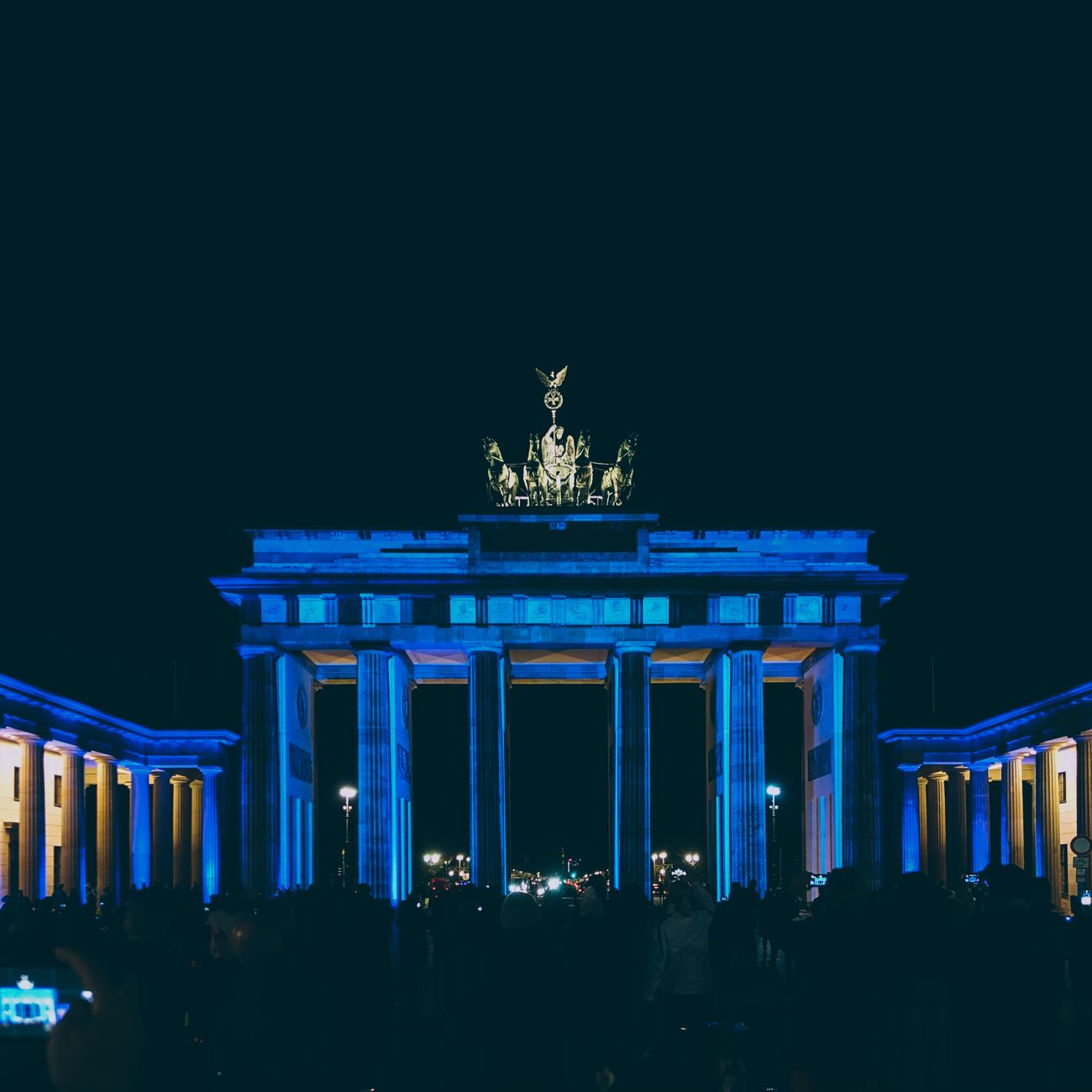
Heritage lighting restoration involves the preservation and refurbishment of historical lighting fixtures and systems to maintain their original appearance and functionality. The process requires a deep understanding of historical contexts, materials, and techniques used in the past. Lighting restorers must be familiar with various lighting technologies, including candle, gas, and early electric lighting systems. The goal of heritage lighting restoration is to ensure that the lighting fixtures and systems are preserved for future generations while maintaining their authenticity and integrity.
One of the key challenges in heritage lighting restoration is the sourcing of original materials and components. Many historical lighting fixtures were made from materials that are no longer available or have been replaced by modern alternatives. For example, early electric lighting fixtures often used copper wiring, which is now being replaced with aluminum or plastic coated wires. Restorers must be able to identify and source these materials to ensure that the restored lighting fixtures are historically accurate.
The process of heritage lighting restoration typically begins with a thorough assessment of the lighting fixture or system. This involves examining the fixture's condition, identifying any deterioration or damage, and determining the best course of action for restoration. Restorers may use various techniques, such as conservation, reconstruction, or replication, to restore the lighting fixture to its original state.
Conservation involves the preservation of the lighting fixture's original materials and components, while minimizing any interventions or alterations. This approach is often used for lighting fixtures that are still in good condition and require only minor repairs or cleaning. Reconstruction, on the other hand, involves the rebuilding of a lighting fixture using original materials and techniques. This approach is often used for lighting fixtures that are severely deteriorated or damaged.
Replication involves the creation of a new lighting fixture that is identical to the original. This approach is often used when the original lighting fixture is missing or unavailable. Restorers may use various materials and techniques to replicate the lighting fixture, including casting, forging, or carving.
Heritage lighting restoration also involves the consideration of energy efficiency and safety. Many historical lighting fixtures are not energy efficient and may pose a fire hazard. Restorers must be able to balance the need to preserve the lighting fixture's historical integrity with the need to ensure safety and energy efficiency. This may involve the use of modern materials or technologies that are compatible with the historical lighting fixture.
The use of LED lighting is becoming increasingly popular in heritage lighting restoration. LED lighting is energy efficient and can be designed to mimic the appearance of traditional lighting sources. However, the use of LED lighting in heritage lighting restoration is not without its challenges. Restorers must be able to ensure that the LED lighting is compatible with the historical lighting fixture and does not compromise its historical integrity.
In addition to the technical challenges, heritage lighting restoration also involves historical research and documentation. Restorers must be able to research the history of the lighting fixture and its context to ensure that the restoration is historically accurate. This may involve the study of historical documents, photographs, and other sources of information.
The documentation of heritage lighting restoration is also critical. Restorers must be able to document the restoration process, including the materials and techniques used, to ensure that the knowledge and skills are preserved for future generations. This may involve the creation of written reports, photographs, and other forms of documentation.
Heritage lighting restoration is a complex and multidisciplinary field that requires a deep understanding of historical contexts, materials, and techniques. The use of modern materials and technologies can be beneficial in heritage lighting restoration, but restorers must be able to ensure that they are compatible with the historical lighting fixture.
The preservation of historical lighting fixtures is critical to maintaining the character and integrity of historical buildings and monuments. Heritage lighting restoration is a specialized field that requires a deep understanding of historical contexts, materials, and techniques. Restorers must be able to work with a variety of materials, including metals, glass, and other materials, to preserve the lighting fixture's historical integrity.
In addition to the technical skills and knowledge, heritage lighting restoration also requires a deep understanding of historical contexts and cultural sensitivities. Restorers must be able to respect the cultural and historical significance of the lighting fixture and its context. This may involve consultation with historians, curators, and other experts to ensure that the restoration is historically accurate and culturally sensitive.
The challenges of heritage lighting restoration are numerous and complex.
The future of heritage lighting restoration is bright. As more people become aware of the importance of preserving historical lighting fixtures, the demand for heritage lighting restoration services is likely to increase. Restorers must be able to stay up-to-date with the latest technologies and techniques to ensure that they are equipped to meet the challenges of heritage lighting restoration.
The importance of heritage lighting restoration cannot be overemphasized. The preservation of historical lighting fixtures is critical to maintaining the character and integrity of historical buildings and monuments. Restorers must be able to work with a variety of materials, including metals, glass, and other materials, to preserve the lighting fixture's historical integrity.
The process of heritage lighting restoration is complex and time-consuming. Restorers must be able to assess the lighting fixture's condition and determine the best course of action for restoration. This may involve the use of various techniques, such as conservation, reconstruction, or replication, to restore the lighting fixture to its original state.
The use of traditional materials and techniques is often preferred in heritage lighting restoration. However, the use of modern materials and technologies can be beneficial in certain circumstances. Restorers must be able to evaluate the pros and cons of using traditional versus modern materials and technologies to determine the best approach for the restoration.
The role of the restorer is critical in heritage lighting restoration. Restorers must be able to work with a variety of stakeholders, including historians, curators, and other experts, to ensure that the restoration is historically accurate and culturally sensitive. Restorers must also be able to communicate effectively with clients and other stakeholders to ensure that the restoration meets their needs and expectations.
The training and education of restorers is essential in heritage lighting restoration. Restorers must have a deep understanding of historical contexts, materials, and techniques to be able to perform high-quality restorations. This may involve formal education and training programs, as well as apprenticeships and on-the-job training.
The tools and equipment used in heritage lighting restoration are specialized and often custom-made. Restorers must be able to use a variety of tools and equipment, including hand tools, power tools, and specialized equipment, to perform the restoration.
The safety of restorers is paramount in heritage lighting restoration. Restorers must be able to work in a safe and healthy environment, using personal protective equipment and following established safety protocols to minimize the risk of injury or illness.
The cost of heritage lighting restoration can be high. Restorers must be able to budget and plan carefully to ensure that the restoration is completed within the allocated budget and timeframe. This may involve working with clients and other stakeholders to identify funding sources and develop a comprehensive budget and project plan.
The impact of heritage lighting restoration on the environment is significant. Restorers must be able to minimize the environmental impact of the restoration, using sustainable materials and practices whenever possible. This may involve using energy-efficient lighting sources, reducing waste, and minimizing the use of hazardous materials.
The future of heritage lighting restoration is bright, with new technologies and techniques being developed all the time. Restorers must be able to stay up-to-date with the latest developments to ensure that they are equipped to meet the challenges of heritage lighting restoration. The importance of heritage lighting restoration cannot be overemphasized, as it plays a critical role in preserving our cultural and historical heritage for future generations.
Key takeaways
- The goal of heritage lighting restoration is to ensure that the lighting fixtures and systems are preserved for future generations while maintaining their authenticity and integrity.
- For example, early electric lighting fixtures often used copper wiring, which is now being replaced with aluminum or plastic coated wires.
- Restorers may use various techniques, such as conservation, reconstruction, or replication, to restore the lighting fixture to its original state.
- Conservation involves the preservation of the lighting fixture's original materials and components, while minimizing any interventions or alterations.
- Restorers may use various materials and techniques to replicate the lighting fixture, including casting, forging, or carving.
- Restorers must be able to balance the need to preserve the lighting fixture's historical integrity with the need to ensure safety and energy efficiency.
- Restorers must be able to ensure that the LED lighting is compatible with the historical lighting fixture and does not compromise its historical integrity.